Some links on this blog may contain affiliate links. If you make a purchase through one of these links, I may earn a small commission at no extra cost to you. Thank you for supporting Enchanted Kids Moment!
Childhood comes with plenty of milestones that families naturally remember. First birthdays, the first day of school, graduation, and other big occasions often receive photos, decorations, and special attention.
Yet some of the most meaningful changes happen during ordinary days. Your child ties their shoes alone, finishes a difficult book, speaks up for themselves, or finally manages something that once needed your help.
These moments may not look important from the outside. For your child, they can represent effort, courage, independence, curiosity, or growing confidence.
Celebrating small childhood milestones does not mean throwing a party for every achievement. A hug, a few encouraging words, a photograph, or a note in a memory box can be enough.
The goal is simply to notice the change. This guide looks at the everyday milestones worth paying attention to and simple ways to recognise them without turning childhood into a constant performance.
My Heartwarming Childhood Milestones Parents Often Forget to Celebrate shares more of those easily missed moments worth noticing before they quietly become part of the past.
Why Celebrating Small Childhood Milestones Matters So Much

Big milestones are easy to notice because everyone expects them. Small milestones often happen quietly during normal days.
That is exactly why celebrating small childhood milestones can feel so meaningful.
A child may finally button their own shirt, speak up in a group, finish a difficult puzzle, or remember something without help. These moments show growth that might otherwise disappear into an ordinary afternoon.
When families notice those changes, children learn that progress matters.
You do not need a large celebration. A smile, hug, photograph, special snack, or few kind words can make the moment memorable.
If you enjoy finding meaning in ordinary days, The Ultimate Guide to Creating Meaningful Childhood Memories With Kids offers more simple ways to make everyday childhood feel special.
Small Milestones Help Children Notice Their Own Growth
Children do not always recognise how much they have changed.
An adult may remember when tying shoelaces felt impossible. The child may only remember finally doing it.
Pointing out that progress helps them see their own effort.
You might say, “You kept practising, and now you can do it yourself.”
That simple sentence connects the achievement with persistence.
The same idea applies when children develop new creative skills. Activities like Easy Rock Painting Ideas for Kids can make improvement visible through something they created with their own hands.
Recognition Can Build Confidence Without Creating Pressure
Celebration should not make children feel they must constantly achieve something.
The goal is recognition, not performance.
Notice effort, courage, patience, independence, kindness, and curiosity alongside traditional achievements.
A child who finally joins a group activity deserves recognition.
So does the child who calmly tries again after something goes wrong.
When celebrating small childhood milestones, focus on what changed rather than comparing the child with anyone else.
Even simple family activities like How to Plan a Fun Family Game Night Kids Will Enjoy can create opportunities to notice patience, teamwork, and growing confidence.
Small Celebrations Help Families Slow Down
Childhood changes quickly.
One day, you may be helping with every small task. Later, the same child suddenly wants to do everything alone.
Recognising milestones encourages everyone to slow down long enough to notice those changes.
Take the picture.
Write down the funny sentence.
Keep the first handmade card.
Save the little note.
Those ordinary items often become deeply meaningful later.
If preserving everyday moments matters to you, The Ultimate Guide to Documenting Your Child’s Milestones shares practical ways to record them without turning childhood into a constant photo session.
Small Childhood Milestones That Can be Celebrated
1. Celebrate the First Time They Do Something Independently
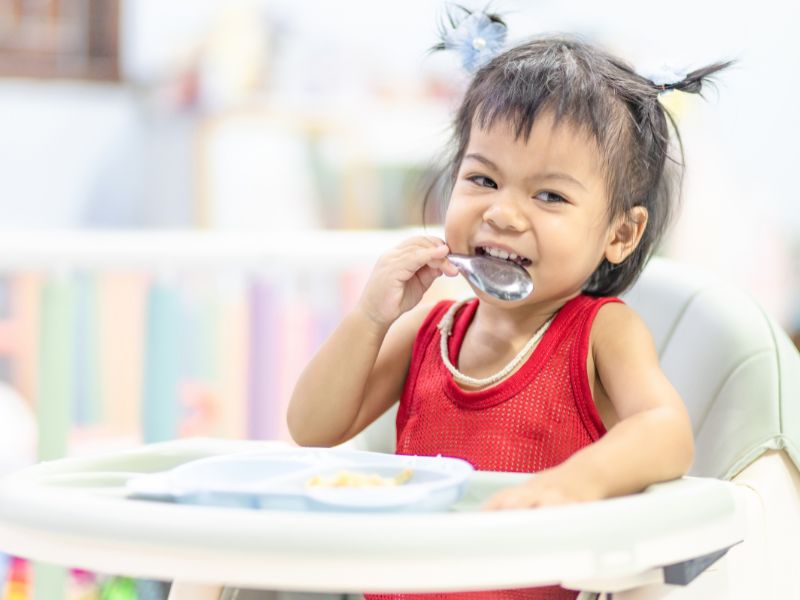
Independence grows through tiny steps.
Maybe your child pours their own drink.
Perhaps they pack their school bag, brush their hair, or choose their clothes without help.
These achievements may seem small to adults.
To a child, they can feel enormous.
Mark the moment with encouragement rather than immediately correcting every imperfect detail.
A simple “You handled that yourself” can mean more than a big reward.
Practical independence also grows when children can manage their own space. Toy Storage Ideas That Make Cleanup Easier for Kids can help create routines children can handle more independently.
2. Notice When They Finish Something Difficult
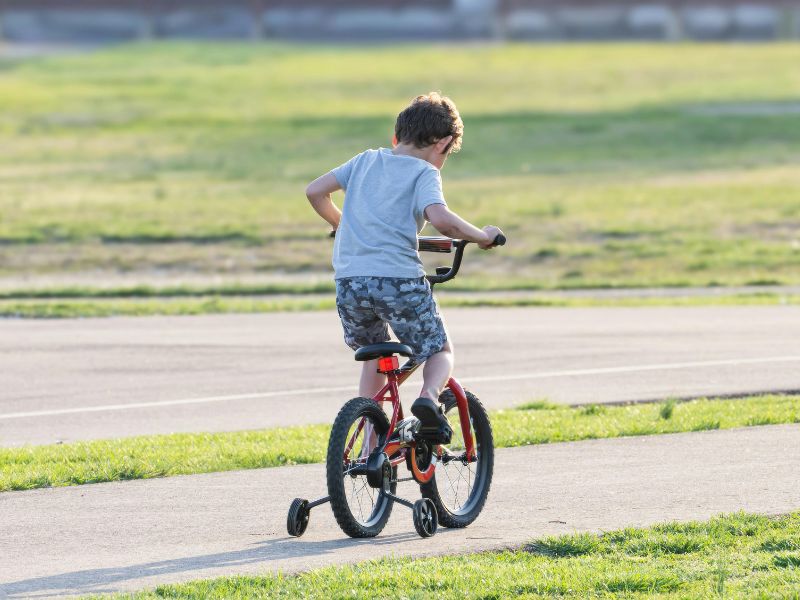
Finishing a challenging task deserves attention.
It could be a puzzle, craft, book, building project, or school assignment.
Instead of only praising the final result, mention the effort that came before it.
Talk about how they kept trying.
Ask which part felt hardest.
This helps children connect success with persistence rather than perfection.
Hands-on projects such as 20 DIY Squishy Crafts for Sleepovers Kids Will Love can create plenty of these small moments of determination.
3. Celebrate Their First Finished Book
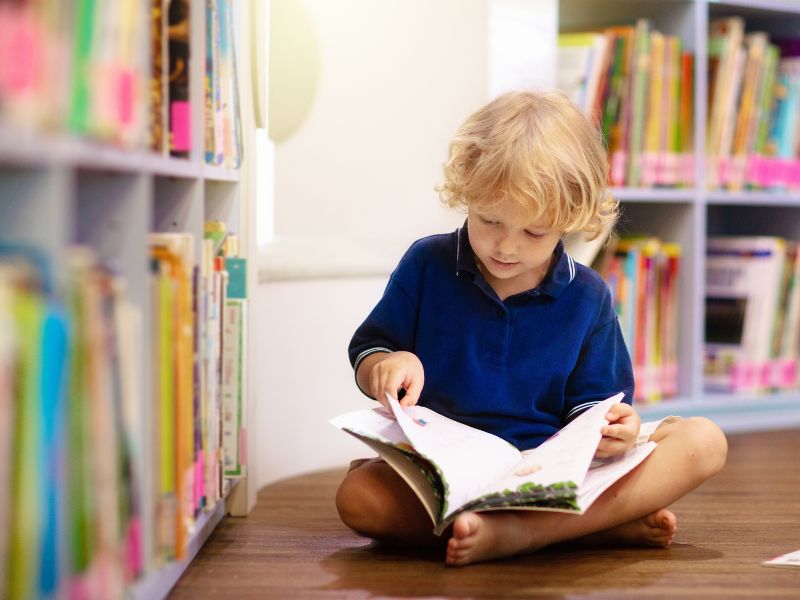
Reading an entire book independently can feel huge.
Make the moment special.
Let the child choose the next book.
Write the title inside a reading journal.
Take a simple photograph with the finished book.
You could also spend a quiet evening reading together.
A comfortable space can make reading feel even more inviting. The Ultimate Guide to Creating a Cozy Reading Nook for Kids has ideas for creating one without needing a large room.
4. Mark the First Time They Help Without Being Asked
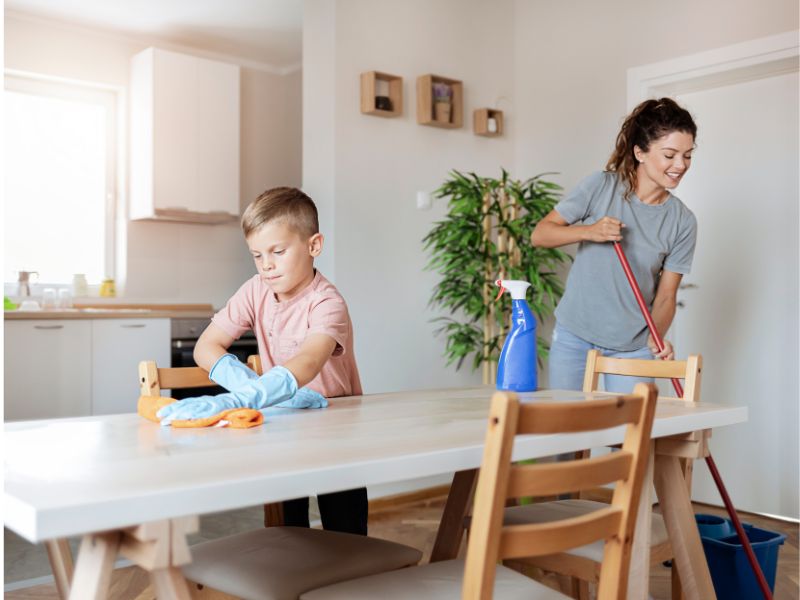
Kindness deserves recognition too.
Maybe your child helps a sibling.
Perhaps they clean something, carry groceries, or comfort someone without being prompted.
Do not turn the moment into a lecture.
Simply notice it.
Tell them exactly what you saw.
That teaches children that thoughtful behaviour matters.
Family routines like 31 Cozy Family Movie Night Ideas Kids and Parents Will Absolutely Love can also create relaxed moments where kindness and consideration naturally appear.
5. Celebrate Trying a New Activity
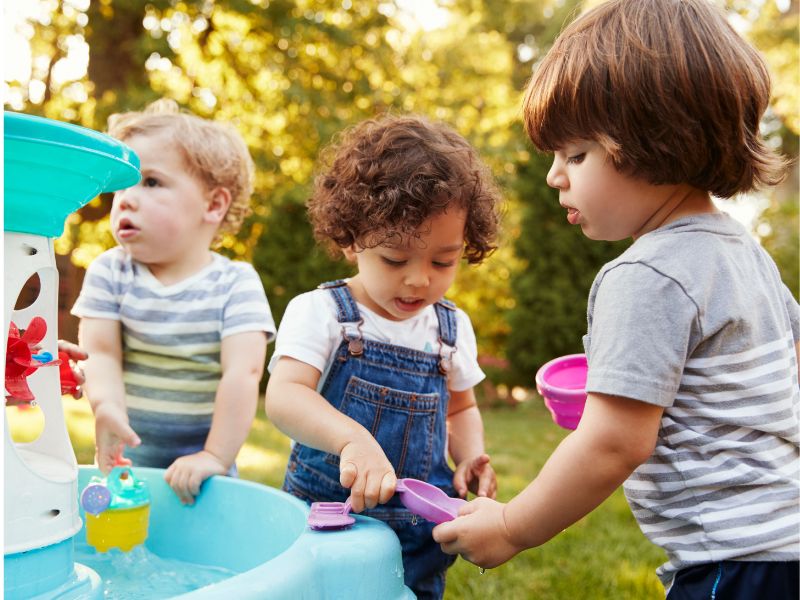
Not every milestone involves mastering something.
Sometimes starting is the milestone.
Trying a new activity can require courage, especially when a child feels unsure.
Celebrate the willingness to participate.
Maybe they join a new game, attempt a craft, or play outside somewhere unfamiliar.
You can encourage exploration with ideas from The Complete Guide to Choosing Age-Appropriate Activities for Children.
6. Notice Their Growing Creativity
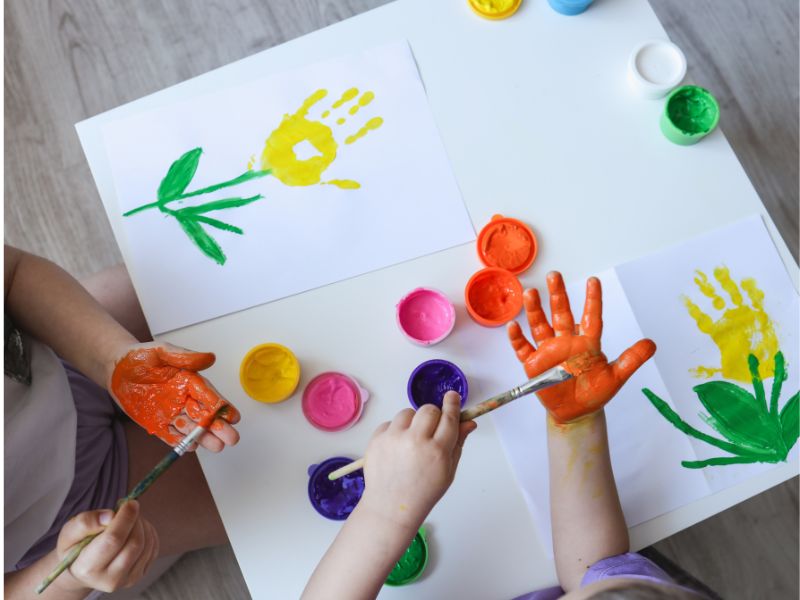
Children’s creative skills change quickly.
A scribble becomes a recognisable person.
Random blocks become detailed buildings.
Simple pretend play turns into long stories with characters and rules.
Those changes deserve attention.
Save a few favourite creations instead of every single project.
Date them if you can.
Creative activities like 35 Easy Painting Ideas for Toddlers That Don’t Create Huge Messes make it easy to notice how children’s ideas develop over time.
7. Celebrate Their First Successful DIY Project
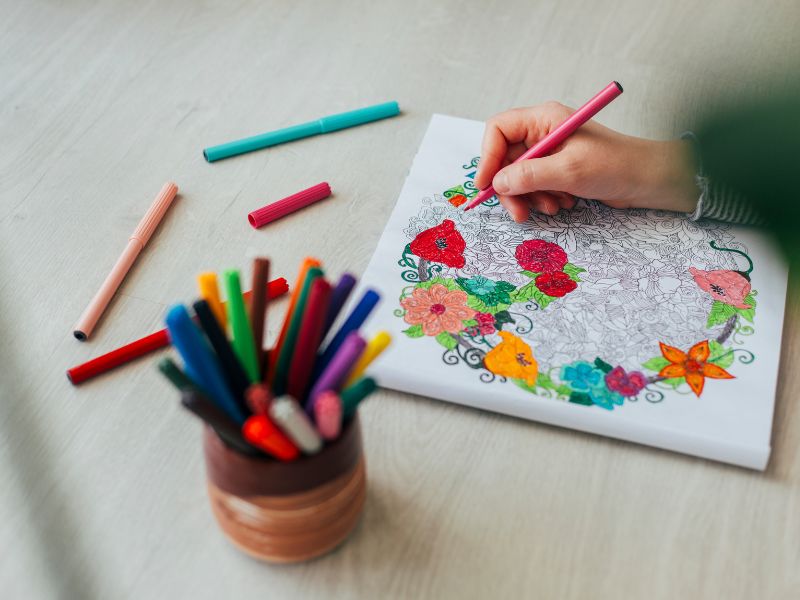
Finishing something handmade creates a special kind of pride.
Let children show you what they made.
Ask them how they created it.
Display the finished project somewhere visible for a little while.
That small gesture tells them their work matters.
Simple projects like How to Make an Adorable Seashell Picture Frame Craft for Preschoolers can even become keepsakes connected to a specific stage of childhood.
8. Mark Their First Big Act of Bravery

Bravery does not always look dramatic.
It might mean sleeping without a night light.
It could mean speaking during class, trying a new food, or entering an unfamiliar place.
Recognise the courage behind the action.
Avoid telling children the situation was never scary.
Instead, notice that they did something even though they felt unsure.
That makes celebrating small childhood milestones more emotionally meaningful.
Activities such as How to Set Up a Simple Indoor Obstacle Course For Kids can also provide playful chances to practise courage and confidence.
9. Celebrate Learning to Share
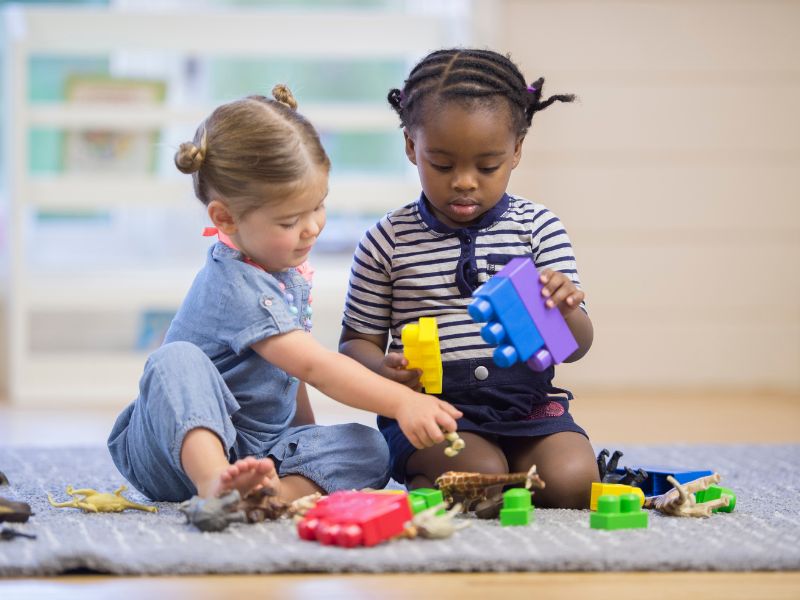
Sharing can feel difficult for young children.
When it starts becoming easier, notice that change.
Maybe your child offers a toy without being told.
Perhaps they take turns during a game.
Mention the behaviour in a simple way.
Children often repeat actions that make them feel noticed for the right reasons.
Pretend play activities like 31 Minecraft Paper Craft Ideas Kids Will Want to Make Immediately can naturally encourage children to create and work alongside others.
10. Mark a New Responsibility

Responsibilities often arrive gradually.
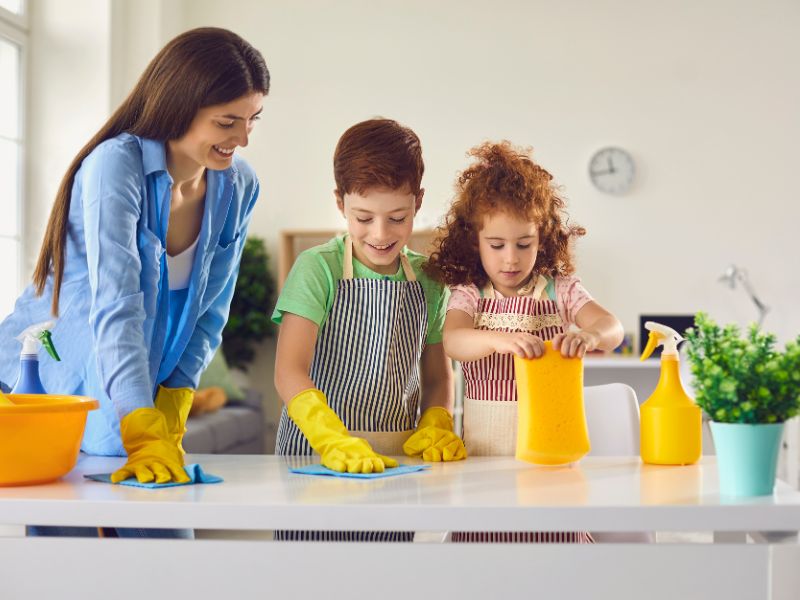
A child might start feeding a pet, making their bed, watering plants, or packing lunch items.
Instead of treating every new responsibility like another chore, recognise the growing independence behind it.
You could create a simple memory note about the first week they managed it alone.
This connects responsibility with growth rather than punishment.
11. Celebrate Their First Overnight Adventure at Home
Sleeping somewhere different can feel exciting.
An indoor camping night can become a small milestone for children who feel nervous about sleepovers.
Set up sleeping bags, blankets, lights, and simple snacks.
Let the evening feel special without making it complicated.
How to Create an Indoor Camping Night for Kids offers an easy setup that can turn the experience into a memorable family night.

12. Notice When They Learn to Calm Themselves
Emotional growth deserves as much attention as physical skills.
A child who once needed constant help may eventually pause, breathe, ask for space, or find something calming.
That change matters.
Recognise it gently.
You do not need to turn the moment into a huge conversation.
Simply notice the new skill.
Movement can also help children reset. How to Make Colorful Paper Movement Break Cards for Active Kids provides a playful way to support that process.
13. Celebrate a New Friendship
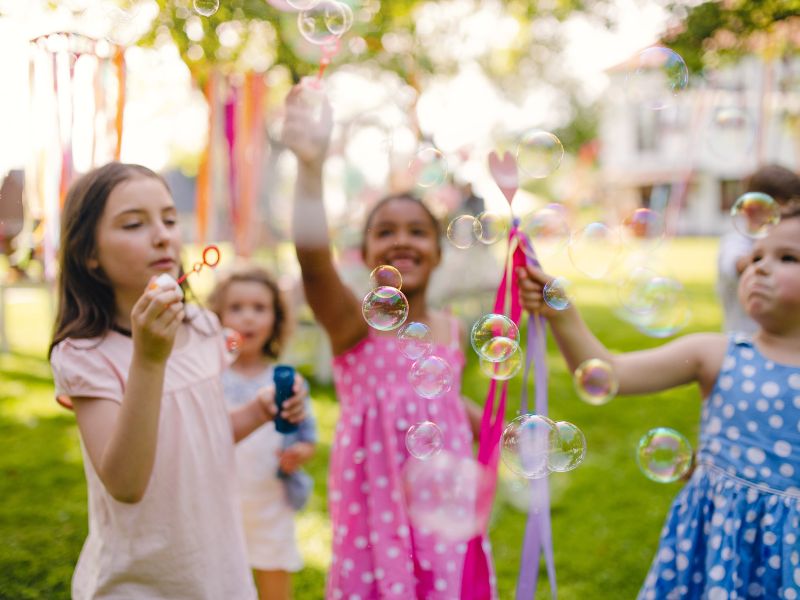
Friendships can become important milestones.
A child may finally find someone they enjoy playing with.
They might learn how to invite someone into a game or maintain a friendship.
You could celebrate by arranging a simple play afternoon.
Keep the focus on connection rather than creating a large event.
A low-key activity like 25 Fun & Easy Indoor DIY Activities and Crafts for Kids can give children something relaxed to enjoy together.
14. Notice When They Become More Curious
Questions are milestones too.
Children begin asking deeper questions as they grow.
They may suddenly want to understand animals, space, weather, numbers, or how things work.
Notice those interests.
Find books or activities that help them explore further.
Curiosity can become part of how a child sees themselves.
For children drawn to ocean life, 25 Magical Ocean Crafts for Kids That Make Summer Learning Fun can turn curiosity into hands-on discovery.
15. Celebrate Their First Meaningful Keepsake
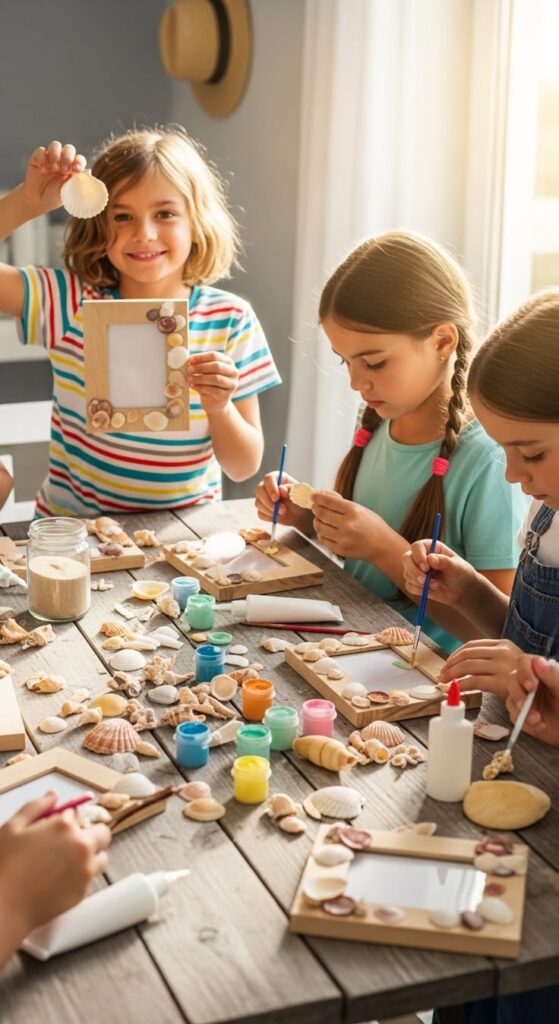
Sometimes children create something they want to keep.
It may be a drawing, handmade bracelet, shell collection, note, or tiny craft.
Help them protect it.
Place it in a memory box.
Add the date and a short note about why it mattered.
The Most Creative Baby Keepsake Ideas for New Parents can also inspire simple ways to preserve small objects from childhood.
16. Mark Improvements in Physical Skills
Physical milestones continue long after first steps.
Children learn to jump farther, balance longer, throw more accurately, and move with greater confidence.
Celebrate progress without turning every activity into competition.
You might simply say, “That looked much easier for you today.”
Outdoor play offers natural opportunities to notice those changes. How to Set Up a Fun Backyard Water Play Station With Kids can encourage movement while keeping the experience playful.
17. Celebrate When They Learn Something Through Play
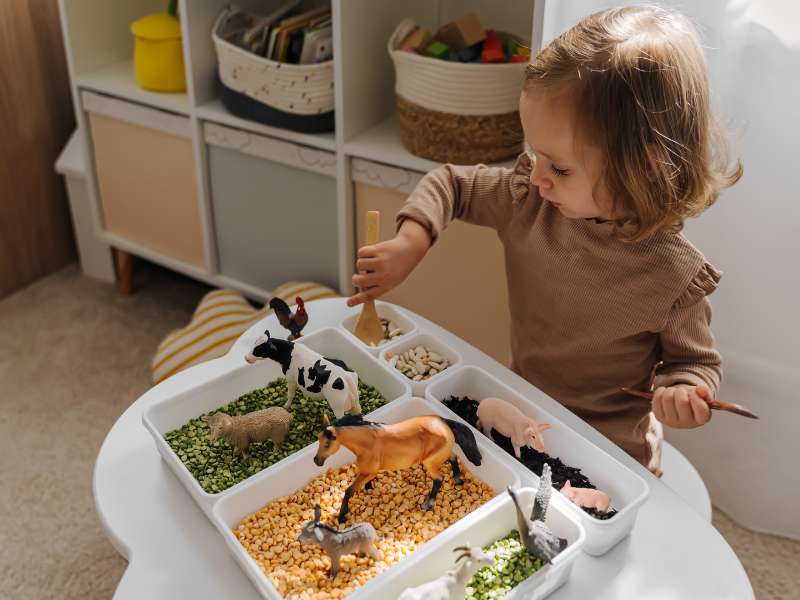
Learning does not always happen at a desk.
Children discover counting, sorting, planning, problem-solving, and communication during play.
Notice those moments.
You might see a child organise pretend groceries or invent rules for a game.
Those small signs show growing thinking skills.
Sensory play can reveal similar development. How to Make Toddler Sensory Bins That Are Fun, Safe, and Easy to Set Up gives children room to explore through touch and movement.
18. Mark Their First Successful Group Activity
Joining group activities can feel challenging.
Some children hesitate before joining games, crafts, or celebrations.
When they eventually participate comfortably, notice the progress.
Avoid comparing them with children who joined sooner.
Their timeline belongs to them.
A relaxed group setup such as How to Plan a Wild Safari Birthday Party Kids Will Never Forget can create opportunities for games without making participation feel forced.
19. Celebrate When They Make Something for Someone Else

A handmade gift shows creativity and thoughtfulness at the same time.
Maybe your child creates a card, paints a mug, or makes a small craft for someone.
Celebrate the intention behind the gift.
Ask why they chose certain colours or details.
Projects like 23 Adorable Ceramic Mug Painting Ideas for Kids That Make the Sweetest Keepsakes can turn simple creative time into something meaningful.
20. Notice Their Changing Interests
Children’s interests can change dramatically.
Dinosaurs disappear.
Space arrives.
Then LEGO, animals, drawing, or another fascination takes over.
Instead of seeing those changes as phases to rush through, notice them as part of childhood.
Take one photograph.
Save one favourite project.
Those little records may become wonderful reminders later.
A themed space like 31 LEGO Bedroom Ideas for Creative Builders can also reflect a child’s interests without needing to change the entire house.
21. Celebrate the First Time They Plan Something
Planning shows growing independence.
Maybe your child organises a game, chooses activities for the afternoon, or creates their own small project.
Let them lead when possible.
Ask what they need.
Watch how they solve problems.
Giving children ownership can make the achievement feel even more important.
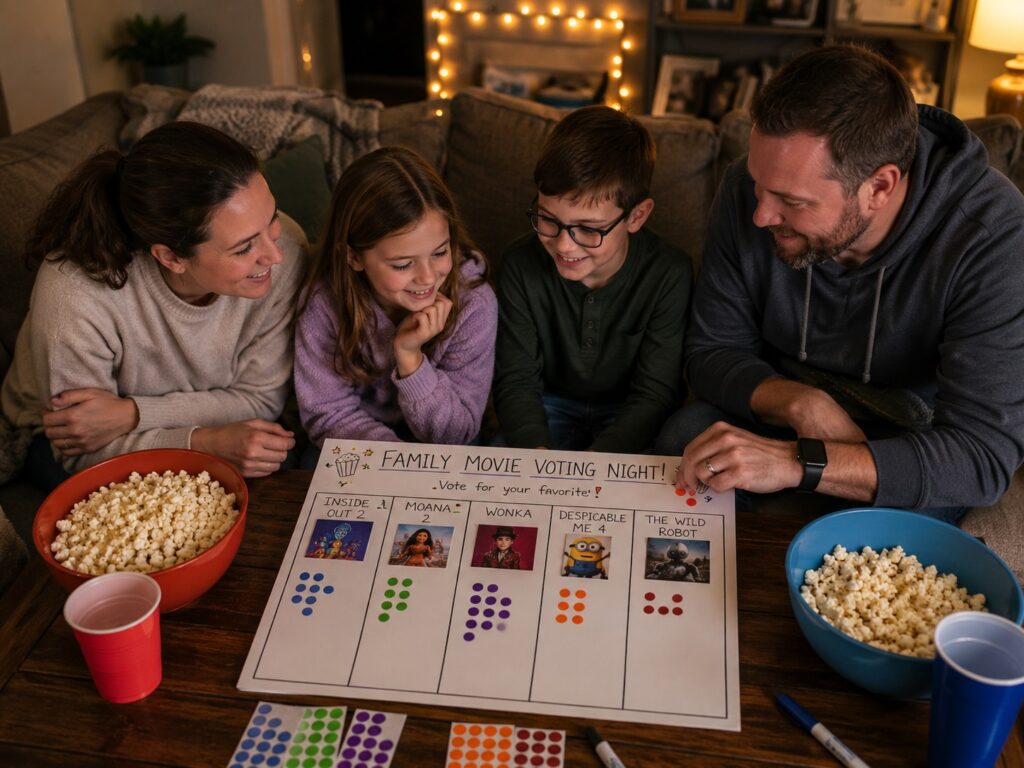
A simple activity such as How to Plan a Fun Family Game Night Kids Will Enjoy can even give them a chance to choose games and organise the evening.
22. Mark Small School Achievements
School milestones are not limited to graduation.
Reading aloud confidently matters.
Remembering homework matters.
Understanding a difficult concept matters.
Completing a project can feel huge.
Celebrate those steps without making grades the only measure of success.
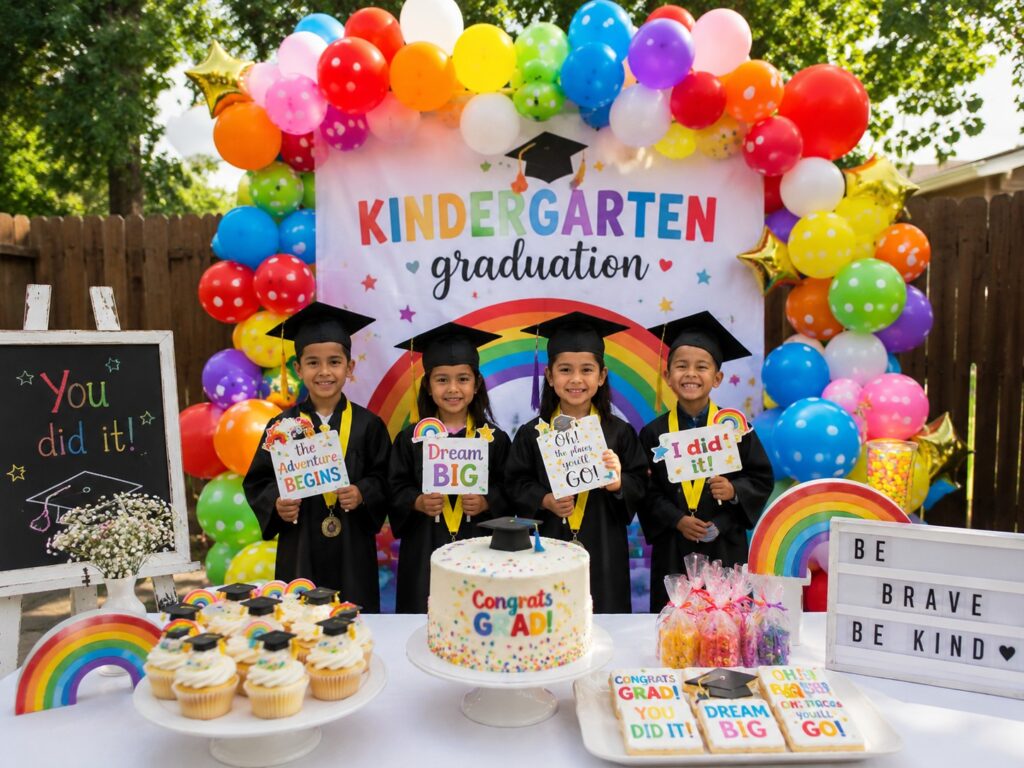
When larger school moments arrive, 21 Most Stunning Kindergarten Graduation Party Ideas on a Budget can help you mark them without overcomplicating the celebration.
23. Celebrate Their First Personal Tradition

Children sometimes create traditions themselves.
They may choose the same bedtime story every birthday.
Perhaps they always decorate pumpkins with a sibling.
Maybe they request the same family activity each holiday.
When a routine starts becoming meaningful, recognise it.
Traditions give childhood a comforting sense of continuity.
Seasonal activities like 31 Halloween Pumpkin Painting Ideas Kids Can Make Instead of Carving can easily become one of those yearly rituals.
24. Notice When They Start Remembering Family Moments
One day, a child may suddenly mention a memory from months earlier.
They remember the beach.
They remember a birthday.
They remember making something together.
Those moments reveal that family experiences are becoming part of their personal story.
Talk about the memory with them.
Add details they may have forgotten.
If you enjoy building those connections, The Most Precious First Birthday Traditions Every Family Should Try shows how simple repeated moments can become meaningful family memories.
25. Celebrate Growth in Their Personal Space
A child’s room often reflects developmental changes.
Toy bins become bookshelves.
A play table becomes a desk.
Favourite artwork changes.
Let children take part in those transitions.
Choosing where books go or selecting new bedding can become a milestone in independence.
For practical room changes, How to Design a Kids Bedroom That Balances Fun and Function can help create a space that keeps adapting.
26. Mark the First Time They Complete a Seasonal Tradition
Seasonal activities can become markers of growing independence.
A child who once needed help with every craft may suddenly complete most of it alone.
Notice that change.
You can compare this year’s creation with an older one.
The difference may surprise everyone.
15 Creative Fall Crafts for Kids Using Leaves, Apples, and Pumpkins offers projects that make those yearly changes easy to see.
27. Celebrate Their Growing Imagination
Imagination changes as children develop.
Simple pretend games can become detailed worlds with rules, characters, and long storylines.
Listen when children explain their ideas.
Join when invited.
You do not need to direct the game.
Their ability to create the story is the milestone.
Creative themes such as 27 Minecraft Birthday Party Ideas That Feel Straight Out of the Game can also inspire imaginative play beyond the celebration itself.
Simple Ways to Celebrate Without Making Every Milestone Huge
Celebrating small childhood milestones does not require gifts every time.
In fact, smaller responses often feel more natural.
Write the achievement on a family calendar.
Take one photograph.
Let the child choose dinner.
Add a note to a memory box.
Call a grandparent.
Create a tiny certificate.
Display something they made.
Let them stay up slightly later for a special family activity.
The goal is to say, “I noticed.”
If you want more ways to preserve those ordinary moments, Heartwarming Childhood Milestones Parents Often Forget to Celebrate pairs naturally with these smaller celebrations.
Avoid Turning Milestones Into Constant Rewards
Recognition and rewards are not the same thing.
If every achievement earns a toy or treat, children may begin focusing more on the reward.
Keep most celebrations simple.
Use words.
Use attention.
Use time together.
Save bigger surprises for moments that genuinely call for them.
This helps celebrating small childhood milestones stay meaningful rather than becoming another transaction.
Do Not Compare One Child’s Milestones With Another’s
Children grow at different speeds.
One child may read early.
Another may become confident socially first.
Someone else may spend longer developing independence.
Comparisons can make meaningful progress feel smaller than it really is.
Focus on the individual child’s journey.
That approach also helps avoid several problems discussed in Common Mistakes Families Make When Celebrating Childhood Milestones.
Make Room for Milestones That Do Not Photograph Well
Some of the most important growth cannot fit neatly into a photograph.
Saying sorry sincerely.
Speaking up.
Trying again.
Sharing.
Handling disappointment.
Asking for help.
Sleeping independently.
These changes deserve attention even when there is nothing obvious to post or display.
Sometimes celebrating small childhood milestones simply means mentioning the change at bedtime and remembering it together.
Keep a Simple Milestone Memory Box
You do not need to save everything.
Choose a small box for meaningful items.
Add a favourite drawing.
Keep a first handwritten story.
Save a small craft.
Include photographs with short notes.
A carefully chosen collection often feels more meaningful than boxes filled with everything.
If you enjoy turning handmade projects into memories, The Ultimate Guide to Seashell Crafts for Kids includes projects that can preserve moments from family beach days.
Create a Yearly Childhood Memory Ritual
Pick one day each year to look back.
Birthdays work well, but any quiet family date can work.
Look through photographs.
Read old notes.
Talk about funny memories.
Mention things the child learned during the year.
This gives children a chance to see how much they have grown.
It also turns celebrating small childhood milestones into part of a larger family story.
Final Thoughts
Childhood milestones do not always come with certificates, photographs, or celebrations.
Sometimes the milestone is a child finally doing something alone. Sometimes it is trying again, helping someone, asking for help, or handling a difficult moment with more confidence.
You do not need to make every achievement a big event. Notice it. Say something specific. Write it down if you want to remember it.
Those small moments are part of your child’s story, and paying attention to them can help you appreciate how much they are changing.