
Some links on this blog may contain affiliate links. If you make a purchase through one of these links, I may earn a small commission at no extra cost to you. Thank you for supporting Enchanted Kids Moment!
Have you ever had just 15 minutes to spare, only to hear your child say, “I’m bored!”? Maybe you’re waiting for dinner to finish cooking, taking a quick break between chores, or trying to keep the kids happy while you finish an important task. Those little moments can feel surprisingly long when children have nothing to do.
The good news is that you don’t need an entire afternoon, expensive toys, or a complicated craft setup to keep your kids entertained. Sometimes, the simplest activities create the biggest smiles. A quick drawing challenge, a silly movement game, a mini treasure hunt, or a little building project can turn an ordinary 15 minutes into something special.
These short activities are also perfect for busy parents who want to spend meaningful time with their children without rearranging the entire day. You can choose something active when the kids have extra energy or try a quieter activity when everyone needs a little break. Best of all, many ideas use everyday items you probably already have at home.
In this guide, you’ll discover 25 quick activities for kids that fit into those small pockets of free time. You’ll find creative projects, indoor games, movement challenges, and simple learning activities for different ages. Whether you’re entertaining a toddler, a preschooler, or a school-age child, there’s something you can try without turning your home upside down.
And if you need more ideas for days when everyone is stuck indoors, explore these indoor DIY activities and crafts for kids.
Let’s make those 15 spare minutes count, one little adventure at a time!
25 Quick Activities for Kids When You Only Have 15 Minutes
You don’t need a whole afternoon to make your child smile. Sometimes, fifteen minutes between dinner preparation, laundry, and everything else on your to-do list is enough for a little adventure.
The trick is choosing activities that don’t require lots of preparation or leave your living room looking like a craft store exploded. Keep a few simple supplies nearby, and you’ll always have something to try when boredom strikes.
These activities work well during short breaks, after school, on rainy afternoons, or whenever your child needs something fun to do. Choose one that matches their mood, gather what you need, and let the fun begin.
1. Have a Quick Drawing Challenge

Grab some paper, crayons, or colored pencils and give your child a funny drawing challenge. Ask them to draw a cat wearing sunglasses, a house on the moon, or an elephant riding a bicycle.
Set a timer for ten minutes and let their imagination run wild. When time runs out, ask them to explain their masterpiece. You might hear a hilarious story you never expected!
You can join in, too. Draw your own picture and compare the results without worrying about whose looks better. The sillier the drawings, the better.
What you need: Paper, crayons, or colored pencils.
Time: 10–15 minutes.
If your child enjoys doodling, you can find more inspiration in these easy painting ideas for toddlers. Choose washable supplies for younger children and supervise them during the activity.
2. Organize a Mini Treasure Hunt

Hide five to ten safe household objects around one room and challenge your child to find them. You could use toy animals, building blocks, colorful socks, or large plastic cups.
Give clues instead of pointing directly to the hiding places. Try saying, “Look somewhere soft,” or “Find something near the bookshelf.”
For older children, turn it into a timed challenge. For younger kids, keep the objects easy to spot so they don’t become frustrated.
You can even create a themed hunt using favorite toys. If your child loves Minecraft, for example, hide paper emeralds, diamonds, and gold-colored tokens around the room.
What you need: Safe household objects or toys.
Time: 10–15 minutes.
For a bigger celebration, you could adapt the same idea from these Minecraft birthday party ideas. Keep hiding places accessible and avoid putting objects near electrical equipment or high shelves.
3. Build the Tallest Block Tower
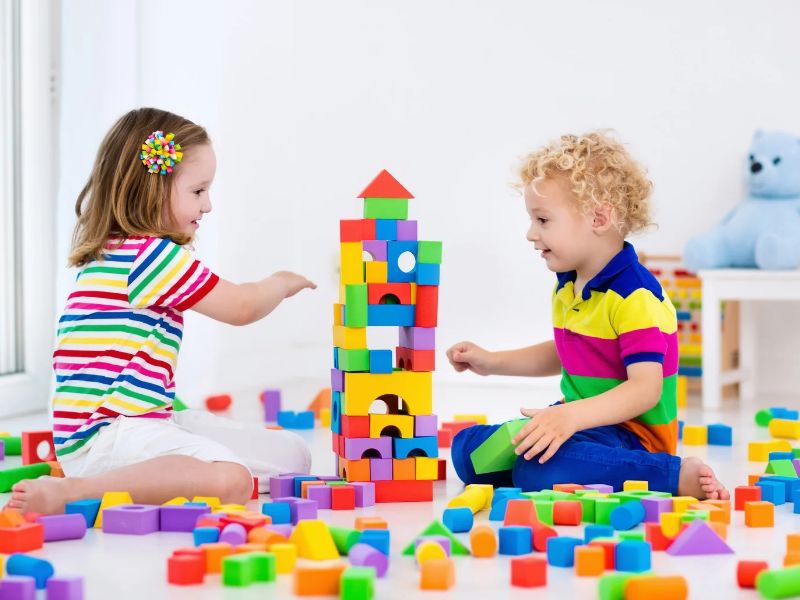
Bring out building blocks, large stacking cups, or suitable construction toys. Challenge your child to build the tallest tower they can before the timer rings.
At first, let them build however they like. Then introduce funny challenges, such as building with only one hand or using three different colors in every layer.
When the tower falls, don’t worry. That’s often the funniest part! Encourage your child to rebuild and experiment with a wider base or different arrangements.
For younger children, use age-appropriate blocks and supervise closely. Keep small pieces away from children who might put them in their mouths.
What you need: Building blocks or stacking cups.
Time: 10–15 minutes.
If your child loves building projects, these LEGO bedroom ideas for creative builders offer inspiration for organizing and displaying their creations.
4. Play a Five-Minute Dance Party

Sometimes, children don’t need another quiet activity. They need to move, jump, wiggle, and burn off some of that energy!
Choose two or three favorite songs and start a mini dance party. Encourage everyone to copy silly moves, freeze when the music stops, or invent a dance that matches the song.
You can make it even funnier by dancing like different animals. Try hopping like a frog, waddling like a penguin, or stomping like a dinosaur.
Clear the floor first and move breakable objects out of the way. Keep the movements suitable for your child’s age and the available space.
What you need: Music and a little room to move.
Time: 5–15 minutes.
For another screen-free way to get everyone moving, try these ideas for setting up a simple indoor obstacle course.
5. Create a Paper Plate Animal

Paper plates are surprisingly useful when you need a quick craft. With a plate, some paper, and a few crayons, your child can create a lion, fish, owl, or silly monster.
Let your child choose the animal first. Then help them draw the eyes, add paper ears, and decorate the face.
Don’t worry about making everything look perfect. A lion with one enormous eye or a fish with rainbow stripes can be much more entertaining than a perfect craft.
For younger children, prepare any difficult cutting beforehand. Use child-safe supplies and supervise glue and scissors.
What you need: Paper plates, crayons, glue, and colored paper.
Time: 10–15 minutes.
If your child enjoys ocean animals, these magical ocean crafts for kids offer more ideas for a future creative afternoon.
6. Play a Quick Round of Simon Says
This classic game is perfect when you need entertainment without gathering any supplies.
Choose one person to be Simon. They give instructions such as “Simon says touch your toes,” “Simon says clap three times,” or “Simon says walk like a crab.”
Players should only follow instructions that begin with “Simon says.” Anyone who follows a command without those words can sit out for one round or simply try again.
For younger children, keep the rules simple and avoid making elimination the main focus. The goal is to laugh together, not to make anyone feel bad about getting a command wrong.
What you need: Nothing.
Time: 5–10 minutes.
When your kids need more active indoor entertainment, these indoor activities and crafts for kids provide plenty of options to keep in your back pocket.
7. Make a Paper Airplane and Test It
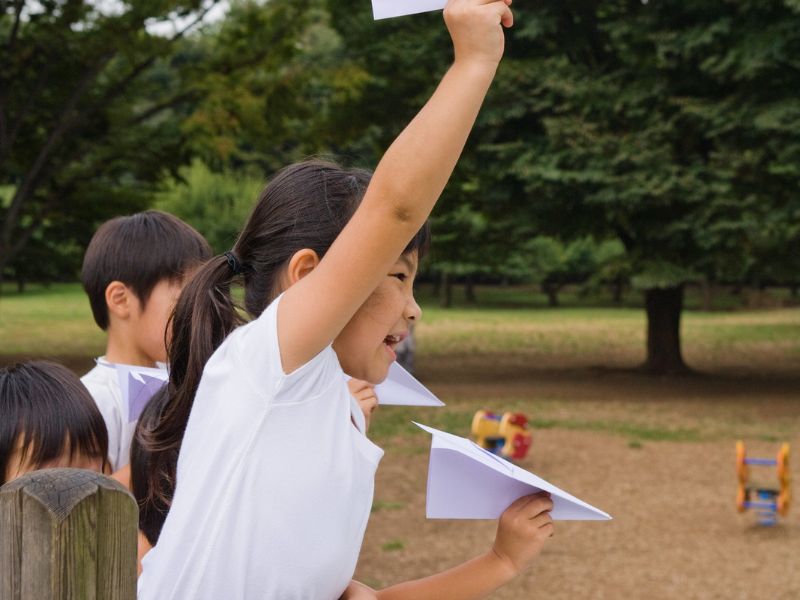
Fold a simple paper airplane and challenge your child to see how far it can fly. If they haven’t made one before, help them fold the paper and press the creases firmly.
Mark a starting line on the floor. Let each person take turns launching their airplane toward a clear landing area.
After the first round, experiment with small changes to the wings. Does a wider wing help? Does the plane fly differently when you fold the nose?
This quick activity introduces problem-solving without making it feel like a lesson. Your child gets to experiment, test ideas, and laugh when the plane takes an unexpected turn.
What you need: Plain paper and a clear space.
Time: 10–15 minutes.
If your child likes building and experimenting, you could also explore these STEM activities for kids. Keep paper planes away from faces and fragile objects.
8. Try a Color Hunt Around the House
Choose one color and challenge your child to find five objects that match it. Start with something easy, such as red, yellow, or blue.
Ask them to bring the objects to a designated spot or point them out without moving anything. Once they finish, choose another color and repeat the challenge.
For older children, add a little extra difficulty. Ask them to find something green that feels soft, something blue that is round, or something yellow that makes a sound.
This activity encourages observation and helps younger children practice recognizing colors. It also works well when you’re waiting for food to cook or need a quick distraction.
What you need: Household objects.
Time: 5–10 minutes.
For another simple learning activity, try these printable handwriting tracing worksheets for kids. You can adapt the idea by asking younger children to find objects that begin with a particular letter.
9. Make a Mini Story Together
You don’t need books or printed worksheets to enjoy a storytelling activity. All you need is a little imagination.
Start with a sentence such as, “One morning, a tiny rabbit discovered a mysterious door.” Ask your child what happens next.
Take turns adding one sentence at a time. The story might involve a talking sandwich, a friendly dragon, or a spaceship that lands in the backyard.
If your child struggles to think of ideas, offer two choices. Should the rabbit open the door or call a friend? Does the dragon live in a castle or a treehouse?
You can even draw one picture from the story when you’re finished.
What you need: Imagination and optional paper.
Time: 10–15 minutes.
If you want to create more meaningful moments with your little ones, these ideas for creating meaningful childhood memories can inspire simple family traditions.
10. Play a Guess-the-Object Game

Gather five familiar objects, such as a spoon, a toy car, a soft sock, a book, and a plastic cup.
Let your child look at everything for a minute. Then cover the objects with a cloth and secretly remove one item. When you uncover the remaining objects, ask them to guess what’s missing.
Switch roles so your child gets to challenge you, too. You might be surprised by how difficult it becomes when they start choosing tricky objects!
For younger children, use just two or three objects at first. Choose larger, safe items and keep small objects away from children who might swallow them.
What you need: Familiar household objects and a cloth.
Time: 5–10 minutes.
For more playful learning ideas, explore these fun printable handwriting worksheets for kids. You can use familiar objects to encourage naming, describing, and simple word practice.
11. Set Up a Mini Indoor Bowling Game

You can create a quick bowling game without buying a toy bowling set.
Arrange six empty plastic bottles or lightweight cups in a triangle. Give your child a soft ball and let them roll it toward the targets.
Count how many cups fall after each turn. Then rearrange them and let your child try again.
Younger children may enjoy standing closer to the targets, while older kids can move farther away. Keep the game on a clear floor and use a soft ball to reduce the risk of damage.
What you need: Lightweight plastic cups or empty bottles and a soft ball.
Time: 10–15 minutes.
If your family enjoys playful challenges, these fun family game night ideas offer more ways to turn ordinary evenings into memorable moments.
12. Make a Five-Minute Collage

A collage is a great choice when you want a creative activity without waiting for paint to dry.
Give your child a sheet of paper and some colorful paper scraps. They can arrange the pieces into a garden, a robot, a rainbow, or an imaginary city.
Let them decide where everything goes. You can ask questions about their creation, but try not to take over the design.
If you have old magazines, you can use suitable pictures, too. Prepare any cutting in advance for younger children, and supervise scissors and glue.
What you need: Paper, safe glue, and paper scraps.
Time: 10–15 minutes.
For more easy projects, take a look at these summer crafts kids can make in 10 minutes. Many simple craft ideas work just as well on an ordinary afternoon.
13. Play Animal Charades
This game is perfect when your child has energy to spare but you don’t have time to set up an elaborate activity.
Take turns acting out animals without speaking. You could flap your arms like a bird, crawl like a turtle, or pretend to stretch like a sleepy cat.
The other players guess the animal. Once someone guesses correctly, switch roles.
For younger children, start with familiar animals and demonstrate a few examples. Older kids can make the game harder by choosing less obvious animals or adding a time limit.
What you need: Nothing.
Time: 5–10 minutes.
If your child loves ocean creatures, these easy paper plate shark craft ideas can be a fun follow-up when you have a little more time.
14. Build a Cozy Reading Nook

You don’t need to rearrange the whole bedroom to make reading feel special. Grab two or three favorite books, a cushion, and a comfortable spot where you can sit together.
Invite your child to choose the first story. Take turns pointing out interesting pictures, guessing what happens next, or making funny voices for the characters.
For older children, you could set a ten-minute independent reading challenge. Let them pick a book that genuinely interests them rather than insisting on something educational every time.
Keep the space comfortable and safe, especially for younger children. Avoid placing heavy objects overhead or using unstable furniture to create the nook.
What you need: Books and a comfortable place to sit.
Time: 10–15 minutes.
You can find more inspiration in these cozy reading nook ideas. Even a small corner can become a favorite place to unwind.
15. Have a Quick Puzzle Challenge
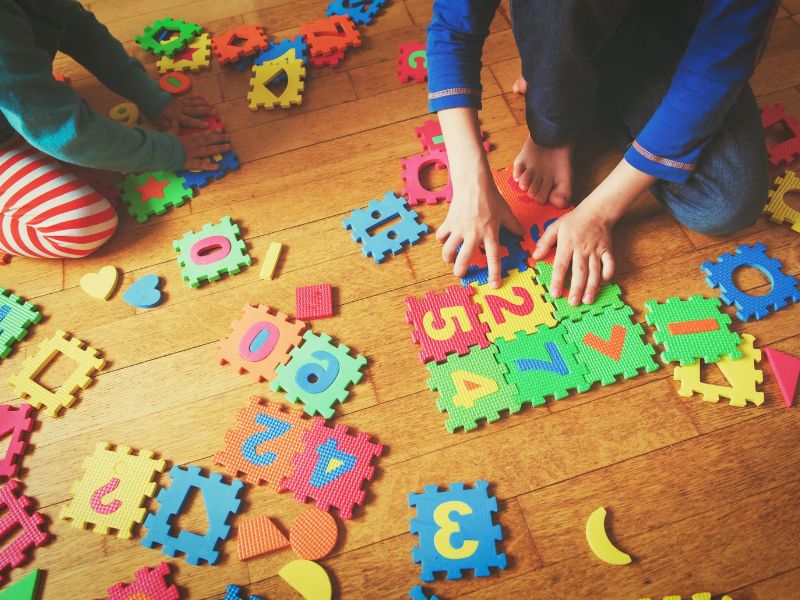
Puzzles are perfect for those moments when you want your child to settle down and focus on something for a little while.
Choose a puzzle that matches their age and skill level. Younger children might enjoy a simple matching puzzle, while older kids may prefer a jigsaw with more pieces.
Set a fifteen-minute challenge and see how much you can complete together. You don’t have to finish the entire puzzle for the activity to feel successful.
If your child gets frustrated, offer a hint or work on one section together. Keep the mood relaxed and celebrate small progress.
What you need: An age-appropriate puzzle.
Time: 10–15 minutes.
For another activity that encourages careful thinking, explore these STEM activities for kids. Choose a challenge that feels playful rather than like extra homework.
16. Create a Sock Puppet Show
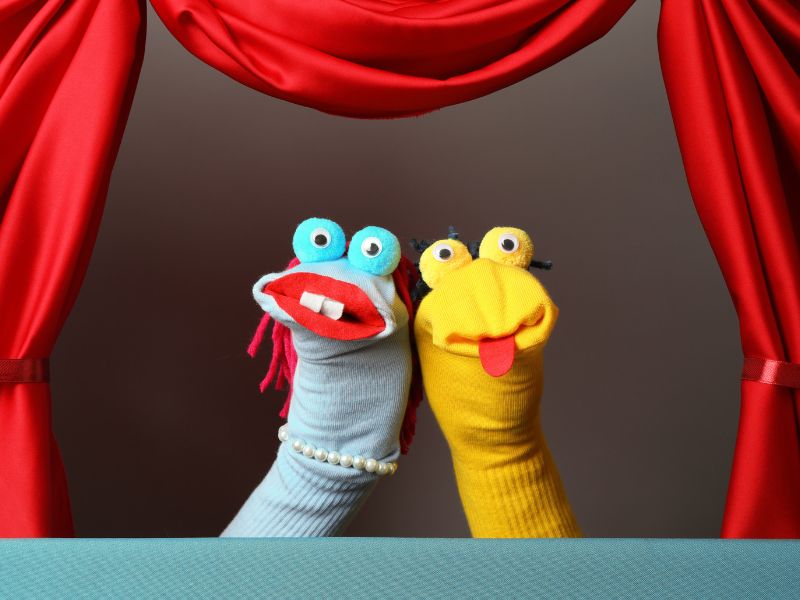
Have a few clean socks that no longer have matching partners? Give them a new job!
Help your child turn a sock into a puppet using safe, age-appropriate craft supplies. They can draw a face on paper and attach it securely, or simply use the sock to make a talking character with their hand.
Once the puppet is ready, create a short show. The character might be a hungry dinosaur, a sleepy princess, or a silly monster who can’t find its shoes.
You can play another character and make up a quick conversation together. Even five minutes of pretend play can lead to plenty of giggles.
What you need: Clean socks and optional paper decorations.
Time: 10–15 minutes.
For more creative inspiration, try these DIY squishy crafts for sleepovers. Choose safe materials and avoid small detachable decorations for young children.
17. Try a Mini Yoga Session

Not every activity needs to involve running around the house. Sometimes, a few gentle stretches can help children slow down after a busy day.
Invite your child to try simple poses inspired by animals. They can stretch like a cat, stand tall like a tree, or curl up like a sleeping hedgehog.
Keep the movements gentle and let your child stop whenever they feel uncomfortable. You don’t need to correct every pose or turn the activity into a formal workout.
You can finish with a minute of quiet breathing. Ask your child to pretend they’re slowly smelling a flower and gently blowing out a candle.
What you need: A clear floor or suitable exercise mat.
Time: 5–15 minutes.
If your family enjoys screen-free routines, these screen-free morning routine ideas for kids can provide more inspiration for starting the day with simple activities.
18. Make a Paper Cup Telephone
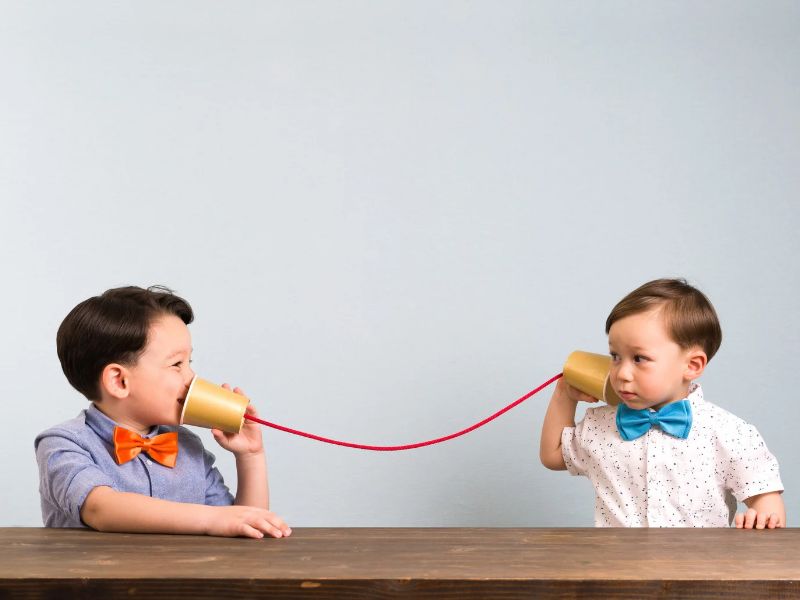
This little science-inspired activity can entertain curious kids with just a few basic materials.
With adult help, make a small hole in the bottom of two paper cups. Thread a piece of string through both holes and secure each end inside its cup. Keep the string away from very young children and supervise the entire activity.
Stand a short distance apart, keeping the string straight without wrapping it around anyone. One person speaks softly into a cup while the other listens through the second cup.
Take turns saying funny messages or whispering simple riddles. Your child might be surprised that their voice travels through the string!
What you need: Two paper cups, string, and adult supervision.
Time: 10–15 minutes.
For more hands-on learning, explore these creative kids’ room activities and craft ideas. Keep string and other potentially hazardous materials away from babies and toddlers.
19. Play “What Can You Build in Ten Minutes?”
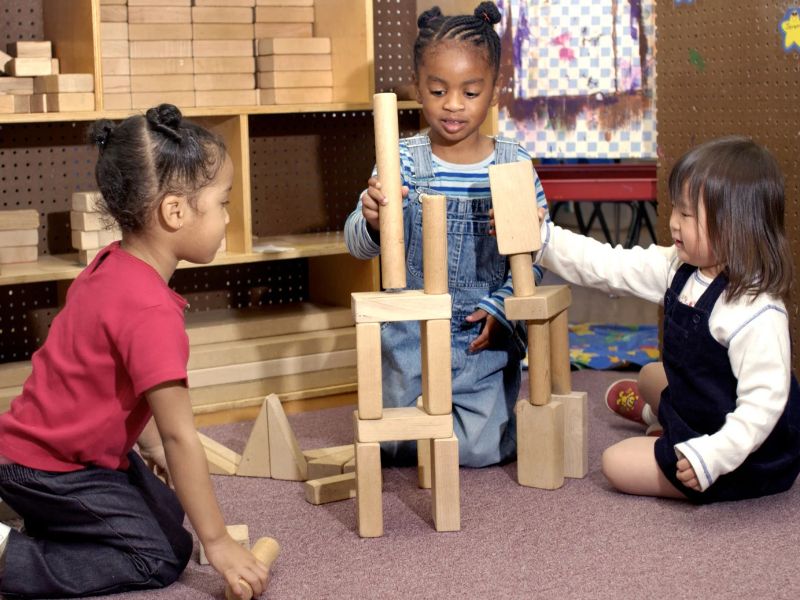
Give your child a small collection of safe building materials, such as blocks, large cardboard boxes, or construction toys. Then ask them to build something before the timer rings.
You could suggest a bridge, a castle, a robot, or a house for their favorite toy. If your child has another idea, let them follow it.
When time runs out, ask them to explain how their creation works. You might discover that the cardboard box is actually a spaceship with a very important mission!
For younger children, focus on stacking and exploring rather than setting strict goals. Older kids may enjoy testing whether their structures can support a toy or stand without falling.
What you need: Age-appropriate building materials.
Time: 10–15 minutes.
If your child loves creative construction, these Minecraft paper craft ideas for kids offer another way to build something fun with simple materials.
20. Make a Quick Snack Together
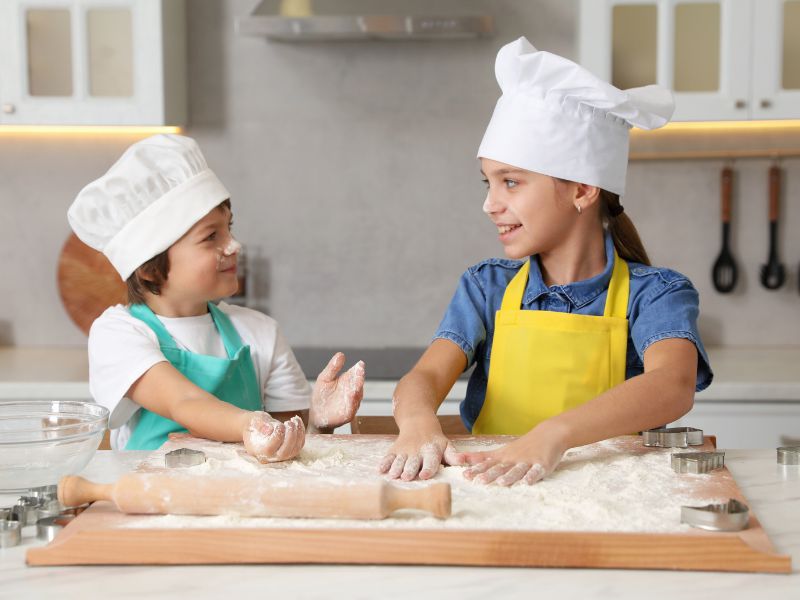
A short kitchen activity can be both entertaining and useful when everyone starts asking for snacks.
Choose something simple that doesn’t require cooking, such as arranging fruit slices on a plate, spreading a suitable topping on crackers, or making a colorful snack plate.
Let your child help wash fruit, arrange ingredients, or choose between a couple of options. Give them tasks that match their age and abilities.
Check for allergies and choose foods appropriate for your child’s age. Young children need particular care with choking hazards, so prepare food in suitable shapes and sizes. An adult should handle knives, hot appliances, and other dangerous kitchen equipment.
You can make it playful by arranging fruit into a smiling face or creating a rainbow from different colors.
What you need: Simple snack ingredients and adult supervision.
Time: 10–15 minutes.
If you enjoy making food part of family traditions, these family game night ideas can inspire a relaxed evening where everyone enjoys snacks and games together.
21. Create a Mini Nature Collection
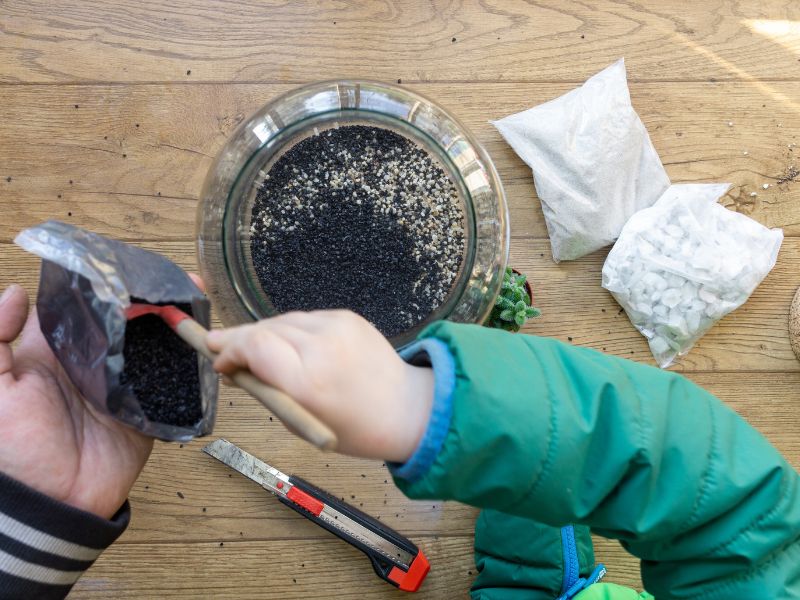
You don’t need to plan a full outdoor adventure to help your child explore nature. If you have a safe garden or outdoor area, take a short walk and look for interesting natural objects.
Your child might spot fallen leaves, smooth stones, interesting seed pods, or different types of flowers. Encourage them to notice the shapes, colors, and textures.
Choose only safe, naturally fallen items, and avoid touching unknown plants, mushrooms, insects, or anything that could be harmful. Leave living plants and wildlife undisturbed.
When you return inside, arrange the collected items on a tray and talk about what you found. If you can’t go outdoors, use leaves or natural objects you’ve already collected.
What you need: A small container and a safe outdoor space.
Time: 10–15 minutes.
For more outdoor inspiration, explore these fall nature activities for kids. You can adapt the idea to different seasons and whatever nature offers nearby.
22. Play a Quick Memory Game
This activity is ideal when you need something quiet that still gives your child’s brain a little workout.
Place five familiar objects on a table. Let your child look at them for thirty seconds, then cover them with a cloth.
Ask them to name as many objects as they remember. For younger children, start with three items and gradually add more as they become comfortable.
You can also switch roles. Let your child arrange the objects while you close your eyes, and then see if they can trick you by removing one.
Keep the objects age-appropriate and avoid small items around children who might put them in their mouths.
What you need: A few familiar household objects and a cloth.
Time: 5–10 minutes.
For more playful family activities, try these best family board games for kids. They’re handy when you want a screen-free option that everyone can enjoy together.
23. Make a Paper Chain or Simple Garland

Paper chains are simple, colorful, and perfect for a short craft session. Cut strips of colored paper and show your child how to make a loop, then connect the next strip through it.
Help younger children with cutting and stapling. Older kids can create repeating color patterns or make a garland for a bedroom or play corner.
You don’t have to decorate an entire room. A short paper chain can brighten a reading corner or become part of a seasonal display.
If your child gets creative, let them experiment with different colors and lengths. The finished garland doesn’t need to look perfect to make them proud.
What you need: Colored paper, glue or tape, and adult help with cutting.
Time: 10–15 minutes.
For a party-related project, these creative birthday banner ideas for kids can inspire more ways to turn simple paper decorations into something special.
24. Play “Would You Rather?”
This game requires no supplies, no cleanup, and almost no preparation. It’s a great choice when you’re waiting for an appointment, riding as a passenger, or sitting together before bedtime.
Take turns asking funny questions. Would your child rather have a pet dragon or a friendly dinosaur? Would they rather live in a treehouse or on a spaceship?
Encourage them to explain their choices. Their reasons can be even funnier than the answers themselves.
You can make the questions more thoughtful for older children. Ask whether they’d rather learn to play an instrument or speak another language, and let them explain why.
Keep the questions age-appropriate and avoid turning every answer into a lesson. Sometimes, a silly conversation is all you need.
What you need: Imagination and a willingness to laugh.
Time: 5–15 minutes.
If you enjoy making time for meaningful family conversations, these first-day-of-school traditions for kids offer inspiration for creating small moments your children can look forward to.
25. Have a Mini Family Game Show

Finish your fifteen-minute activity break with a little family game show. You can be the host, your child can be the contestant, and a favorite stuffed animal can serve as the audience.
Ask quick questions about colors, animals, favorite foods, or familiar stories. You can also include silly challenges, such as naming three fruits or pretending to be a chicken for five seconds.
Keep the questions suitable for your child’s age. Younger children may enjoy identifying pictures or naming animals, while older kids can answer riddles and solve simple puzzles.
Celebrate effort, not just correct answers. Give everyone a chance to be the host so your child can invent questions, too.
What you need: Nothing, or a few picture cards.
Time: 10–15 minutes.
For more ideas that bring everyone together, explore these fun family game night ideas. You can save the bigger games for weekends and use this quick version whenever you have a few minutes to spare.
How to Choose the Right Activity for Your Child
With 25 activities to choose from, you might wonder which one to try first. The answer depends on your child’s age, energy level, and what you have available.
If your child feels restless, choose a dance party, indoor bowling game, or animal charades. If they’re tired, try reading, storytelling, or a quiet memory game.
For younger children, keep instructions simple and stay nearby. Older children may enjoy setting their own challenges or helping you prepare the activity.
It’s also helpful to keep a small activity basket ready. Add crayons, paper, building blocks, picture cards, and a few age-appropriate games. When boredom strikes, you won’t need to spend ten minutes searching for supplies.
You can even make a short list of favorite activities and let your child choose one. Giving them a little control can make the experience more enjoyable.
For days when you have more time, these age-appropriate activity ideas for kids can help you find options that suit your child’s stage of development.
Tips for Making Fifteen Minutes Count
Short activities work best when you keep things simple. You don’t need to finish a project, teach a major lesson, or create something worthy of a social media post.
Try these tips to make your activity time easier:
- Prepare only what you need. Choose activities that use supplies you already have.
- Keep expectations realistic. A drawing doesn’t need to be finished, and a tower doesn’t need to stay standing.
- Let your child lead sometimes. Their unusual ideas can make an ordinary game much more fun.
- Use a timer if helpful. A timer can make the activity feel like a playful challenge, but don’t rush your child if they’re happily engaged.
- Choose safe materials. Match supplies and games to your child’s age, and supervise activities that involve scissors, food preparation, or small objects.
- Don’t feel guilty about keeping things simple. A quick game together can be meaningful without becoming a big production.
You can also save a few activities for moments when you need a screen-free break. These screen-free activity ideas for kids can help you build simple routines around play and family time.
Final Thoughts
Finding activities for kids doesn’t have to mean planning an entire afternoon or buying something new every time boredom appears. Sometimes, a paper airplane, a silly dance, or a quick treasure hunt is all you need.
The best part about these 25 quick activities is their flexibility. You can adapt them to your child’s age, use supplies you already own, and stop when your fifteen minutes are up.
Some days, your child may want to keep playing. Other days, they might move on after five minutes. That’s perfectly fine!
Choose one activity, join in when you can, and enjoy the little moment together. Those ordinary pockets of time can become some of your family’s happiest memories.