Some links on this blog may contain affiliate links. If you make a purchase through one of these links, I may earn a small commission at no extra cost to you. Thank you for supporting Enchanted Kids Moment!
I still remember the excitement that filled our house whenever my parents gathered everyone together and announced it was movie night. Those evenings always felt special, but there was something even better. The night before, they would tell us that tomorrow would be family game night.
From that moment, we could hardly wait. We talked about it all day, guessed who would be on each team, and even argued about which games we hoped to play. When the evening finally arrived, our living room filled with laughter, cheering, friendly competition, and sometimes a few tears from the team that didn’t win. Looking back, those nights were never really about the games. They were about spending time together and creating memories that still make me smile today.
That is why I believe every family should make time for a game night now and then. You do not need expensive games or an elaborate setup. A few simple activities, some snacks, and everyone gathered in one room can turn an ordinary evening into something your children will remember for years. If your family enjoys spending quality time together at home, you’ll also love these 31 Cozy Family Movie Night Ideas Kids and Parents Will Absolutely Love.
In this step-by-step guide, I’ll show you exactly How to Plan a Fun Family Game Night that keeps kids excited from the first game to the last. You’ll also discover simple ways to keep every child involved, avoid common mistakes, and create traditions your family will look forward to again and again.
Why Every Family Should Make Time on How to Plan a Fun Family Game Night

Family game night is about so much more than playing board games or keeping children busy for an evening. It creates a chance for everyone to slow down, put away distractions, and enjoy being together. As the games begin, conversations happen naturally, laughter fills the room, and even the funniest mistakes become stories the family talks about for years.
These evenings also help children build important skills without even realizing it. They learn how to take turns, solve problems, work as a team, and celebrate others. At the same time, parents create a space where children feel seen, heard, and included.
The games themselves may change over the years, but the memories often stay the same. Those simple moments around the table become part of a child’s happiest memories growing up. If you’re looking for more ways to create those special moments together, The Ultimate Guide to Creating Meaningful Childhood Memories With Kids is full of simple ideas your family can enjoy throughout the year.
How to Plan a Fun Family Game Night
1: Pick a Night Everyone Can Look Forward To
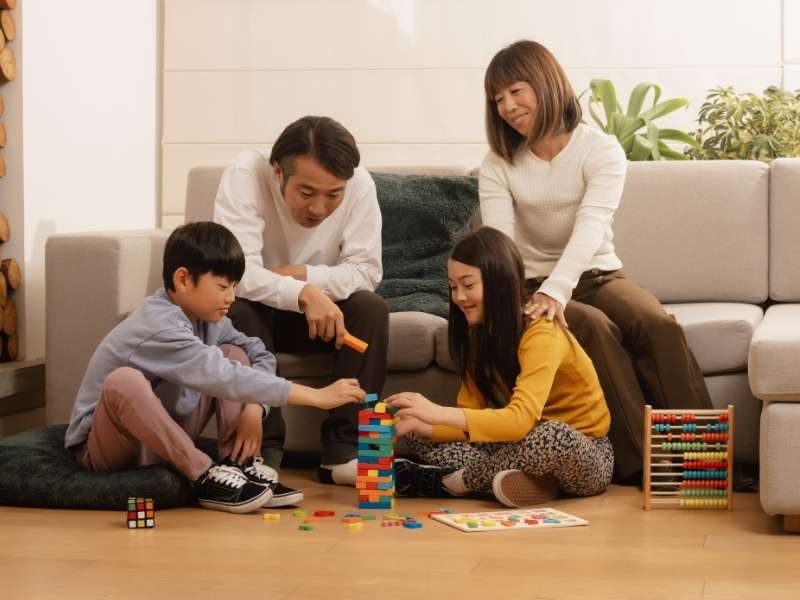
The best family game nights begin long before the first game comes out.
Choose a night when everyone can relax without rushing somewhere else. Friday evenings and Saturday nights often work well because schoolwork and busy schedules usually slow down.
Once you choose the day, tell everyone ahead of time.
That simple announcement gives children something exciting to anticipate. They may spend the next day talking about which games they hope to play or who they want on their team.
The waiting becomes part of the fun.
You do not have to plan a game night every week. Even once a month can become a tradition that children remember for years.
Keeping the date consistent also helps everyone make time for it.
If your family enjoys creating meaningful traditions, you’ll also love The Ultimate Guide to Creating Meaningful Childhood Memories With Kids.
2: Choose the Perfect Place to Play
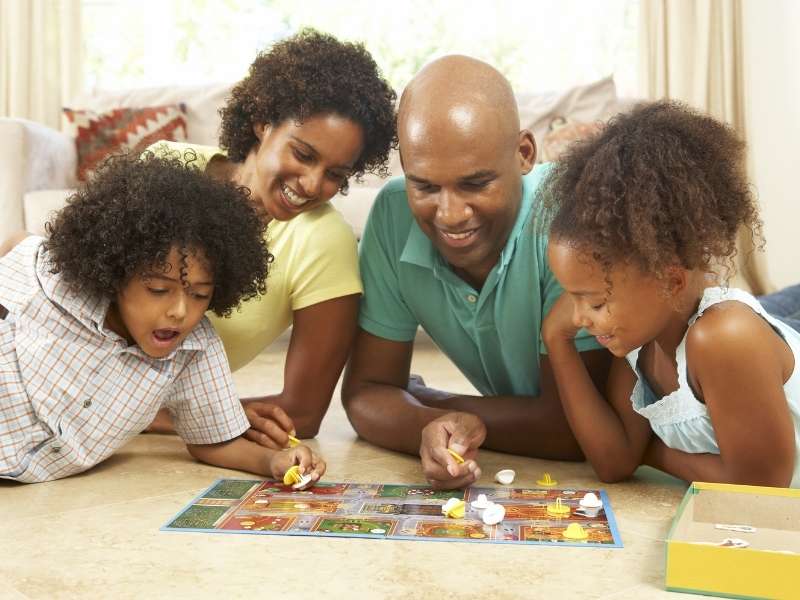
You do not need a fancy game room.
Most families already have the perfect space.
Clear the coffee table if you plan to play board games.
Push a few chairs together if everyone needs extra seating.
Spread soft cushions across the floor if younger children enjoy sitting there.
Good lighting helps everyone see cards, dice, and game pieces without frustration.
Keep distractions to a minimum.
Turn off the television.
Put phones away.
The goal is giving everyone your full attention for the evening.
Open this next: The Complete Guide to Summer Kids Crafts Activities for Creative and Curious Kids
3: Let Kids Help Plan the Night
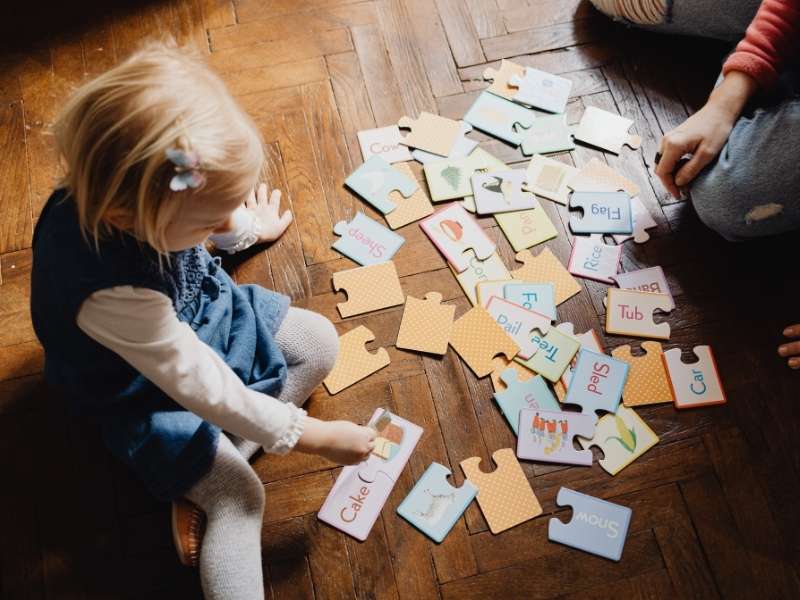
Children become much more excited when they help make decisions.
Ask simple questions.
Which game should we play first?
Should we have teams?
What snacks sound fun?
Even younger children enjoy feeling involved.
You might create a small family tradition where everyone writes one game suggestion on a piece of paper.
Place the ideas in a bowl.
Draw one at random before each round.
Nobody knows which game will come next.
That little surprise adds even more excitement to the evening.
Giving children ownership also reduces complaints because everyone has contributed to the plan.
4: Pick Games Everyone Can Enjoy

One mistake many families make is choosing games that only one age group enjoys.
Instead, look for games with simple rules that everyone understands.
Classic choices include:
- Charades
- Pictionary
- Uno
- Bingo
- Jenga
- Guess Who
- Connect Four
- Memory games
- Dominoes
You can also create your own games using paper and markers.
Children often enjoy homemade games just as much as store-bought ones.
Switch between active games and quieter games throughout the evening.
That helps keep everyone’s attention without making younger children feel restless.
If you’re looking for more age-appropriate ideas, The Complete Guide to Choosing Age-Appropriate Activities for Children can help you choose games that fit your children’s abilities.
5: Create Teams That Feel Fair
Children care less about winning when the teams feel balanced.
Avoid putting all the older children together.
Instead, mix different ages.
Pair younger children with older siblings or adults.
That encourages teamwork instead of competition.
You can also change teams after every game.
Children enjoy working with different family members throughout the night.
Those changing partnerships often lead to funny moments that everyone remembers later.
The goal is making every player feel included from beginning to end.
6: Set Simple Rules Before the First Game
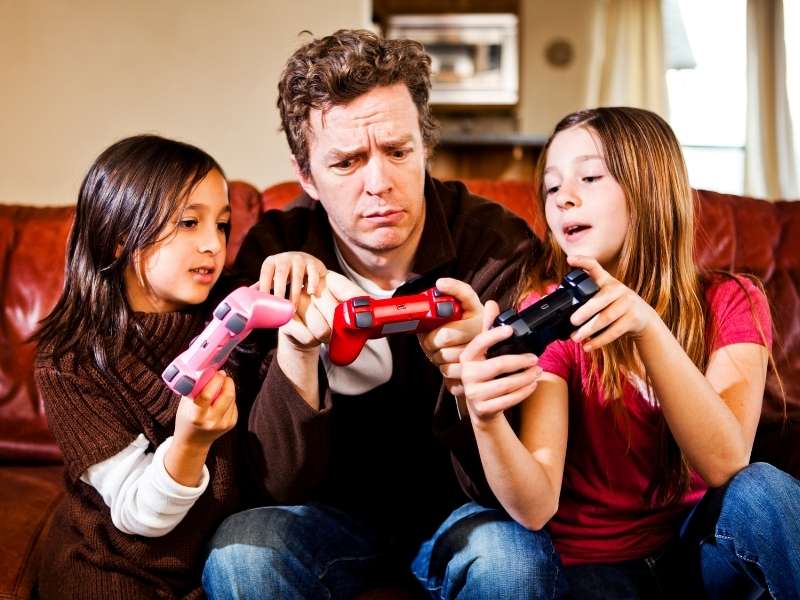
A few clear rules prevent arguments later.
Keep them short.
Take turns.
Be kind.
Celebrate good plays from everyone.
No teasing when someone loses.
Everyone helps clean up after the games.
Ask children if they would like to add another rule.
You might hear ideas like:
“Everybody gets another chance.”
“No interrupting.”
“High-five the winning team.”
Those small ideas help children feel respected while making the evening even more enjoyable.
7: Add a Fun Theme
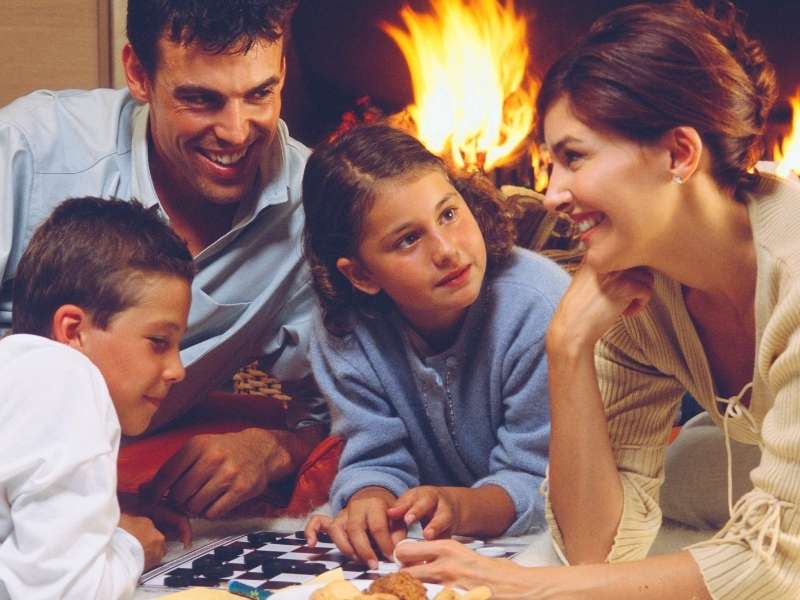
Themes instantly make family game night feel more exciting.
You do not need to decorate the entire house.
Small touches often make the biggest difference.
Try ideas like:
- Pajama night
- Superhero night
- Pirate adventure
- Jungle explorers
- Space mission
- Favorite color night
- Beach party
- Camping indoors
Ask everyone to dress for the theme if they want.
Children love pretending.
The games become part of a much bigger adventure.
Don’t lose this guide: Exciting Fall Nature Activities That Help Kids Explore the Outdoors
8: Decorate Just Enough to Make It Feel Special
Family game night does not need balloons everywhere.
A few thoughtful details create plenty of excitement.
Lay out a colorful tablecloth.
Use string lights.
Place snacks in bright bowls.
Print simple scorecards.
Hang a small banner across the room.
Children notice those little details.
They quickly realize this is not an ordinary evening.
If you already own party decorations, use them again.
Children rarely mind seeing favorite decorations more than once.
Bookmark this guide: How to Set Up a Beautiful Fall-Themed Kids Play Corner
9: Prepare Everything Before Calling Everyone Together
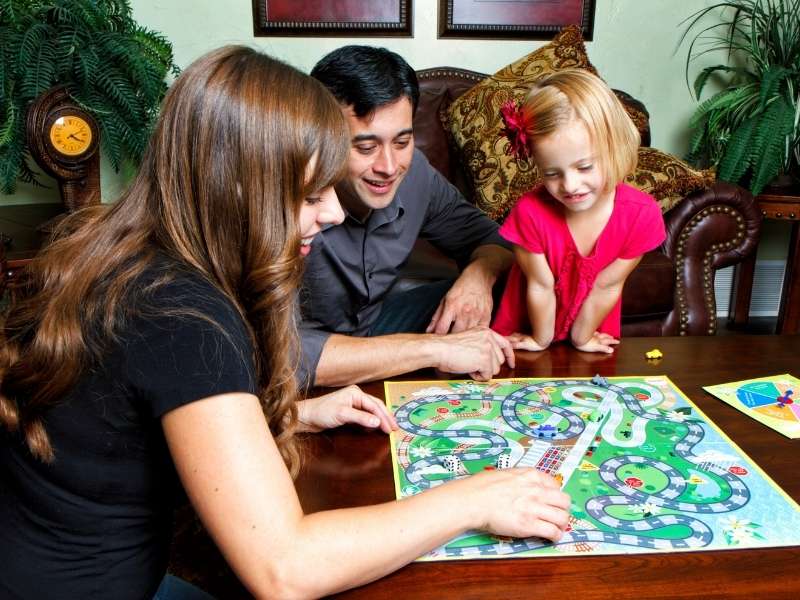
Nothing slows down excitement faster than searching for missing game pieces.
Set everything out before anyone arrives.
Shuffle the cards.
Arrange the board.
Find the dice.
Prepare pencils and paper.
Place drinks where they cannot spill onto games.
Keep extra napkins nearby.
That little bit of preparation allows the evening to begin smoothly.
Children stay excited because the fun starts right away instead of waiting while adults search through cupboards.
10: Start With a Quick Icebreaker
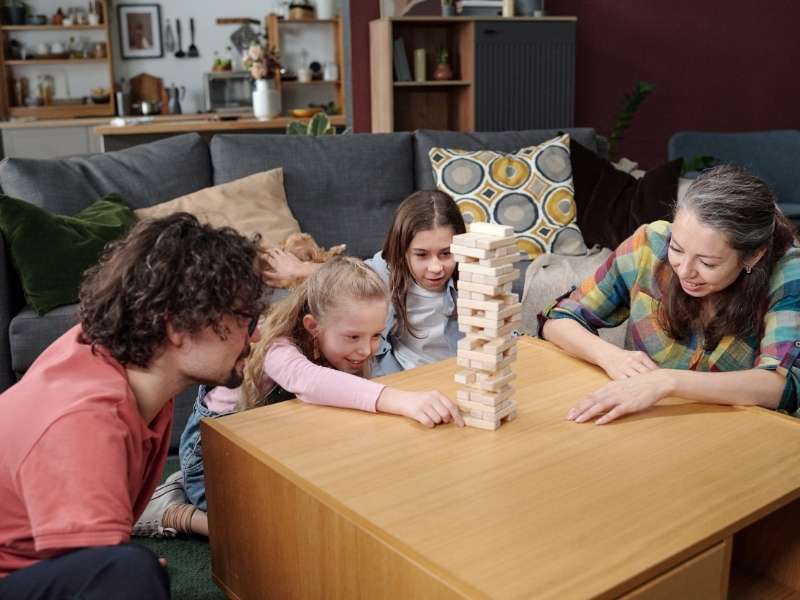
Jumping straight into a long board game sometimes feels slow.
Instead, begin with something simple.
Ask everyone a funny question.
Play one quick round of charades.
Guess animal sounds.
See who can balance on one foot the longest.
These little activities help everyone laugh before the bigger games begin.
Children become more relaxed.
Adults do too.
By the time the first main game starts, everyone already feels connected.
If your family enjoys active indoor fun before settling down, 25 Fun & Easy Indoor DIY Activities and Crafts for Kids shares even more ideas to keep children smiling throughout the evening.
11: Serve Easy Snacks Everyone Can Enjoy

Good snacks make family game night feel even more special.
Keep them simple.
Choose foods that are easy to eat without making a mess.
Popcorn is always a favorite.
Cut fruit into bite-sized pieces.
Offer crackers, pretzels, cheese cubes, or vegetables with dip.
Keep drinks in cups with lids if younger children are playing nearby.
Set the snacks on one table instead of carrying food around the room.
That helps protect game boards and cards from sticky fingers.
Children also enjoy taking small snack breaks between games.
It gives everyone a chance to chat before the next round begins.
Read this next: How to Make an Adorable Seashell Picture Frame Craft for Preschoolers (Step-by-Step Guide)
12: Mix Active Games With Quiet Games
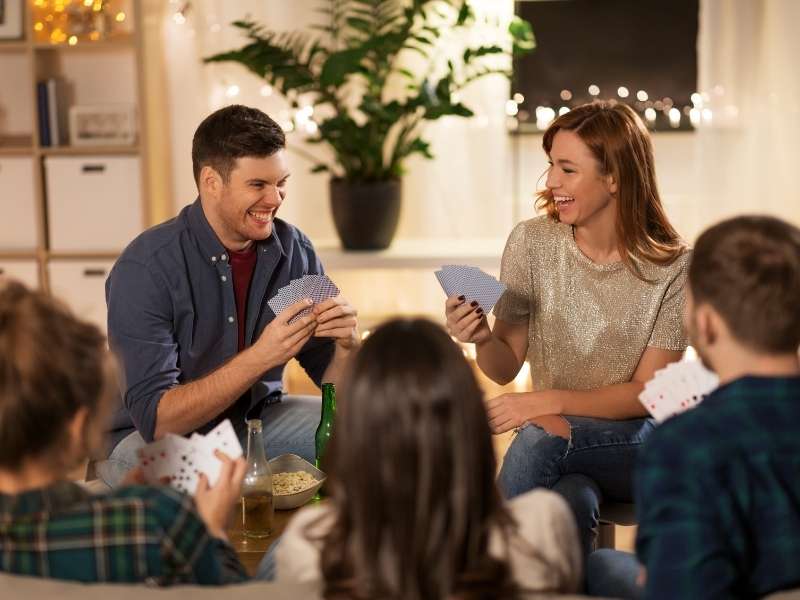
Sitting for too long can make younger children restless.
After one board game, stand up and play something active.
Try charades.
Play “Simon Says.”
Have a quick dance contest.
Pretend to be different animals.
Then return to another table game.
Changing the pace keeps children interested much longer.
Everyone gets a chance to move, laugh, and settle down again.
Those little movement breaks often become the funniest moments of the night.
If your children enjoy active play, How to Set Up a Fun Backyard Water Play Station With Kids is another great activity for warmer days.
13: Make Sure Every Child Gets a Turn

Some children naturally speak louder than others.
Others quietly wait without saying much.
Pay attention to everyone around the table.
Invite quieter children to answer first sometimes.
Let younger players roll the dice.
Ask older children to read the cards aloud.
Giving every child a small responsibility helps everyone feel important.
Family game night works best when nobody feels left out.
Children remember how included they felt long after they forget who won.
14: Focus on Laughing More Than Winning
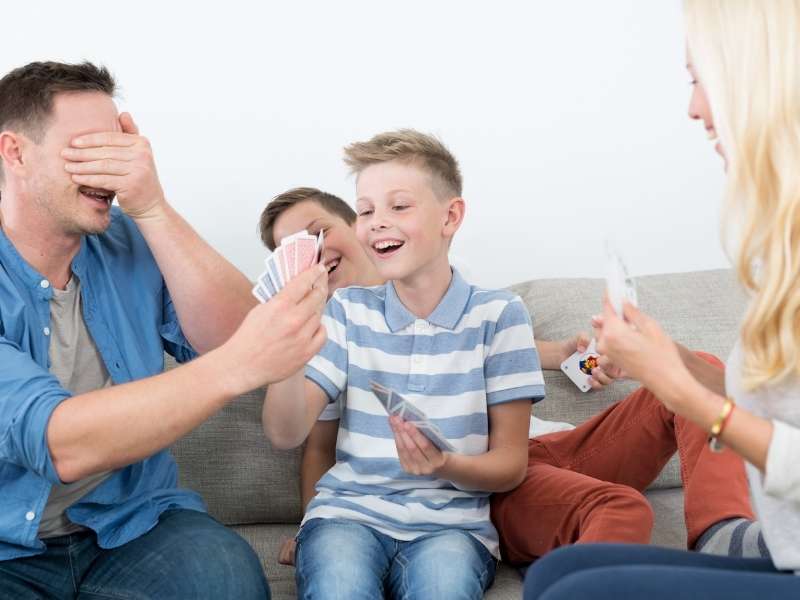
Healthy competition can be exciting.
Too much competition can end the fun.
Remind everyone that the goal is spending time together.
Celebrate funny mistakes.
Cheer for creative answers.
Laugh when something unexpected happens.
Children learn that enjoying the experience matters more than collecting points.
That simple lesson carries into many other parts of life.
When everyone leaves the table smiling, the night has already been a success.
15: Add Small Surprise Challenges
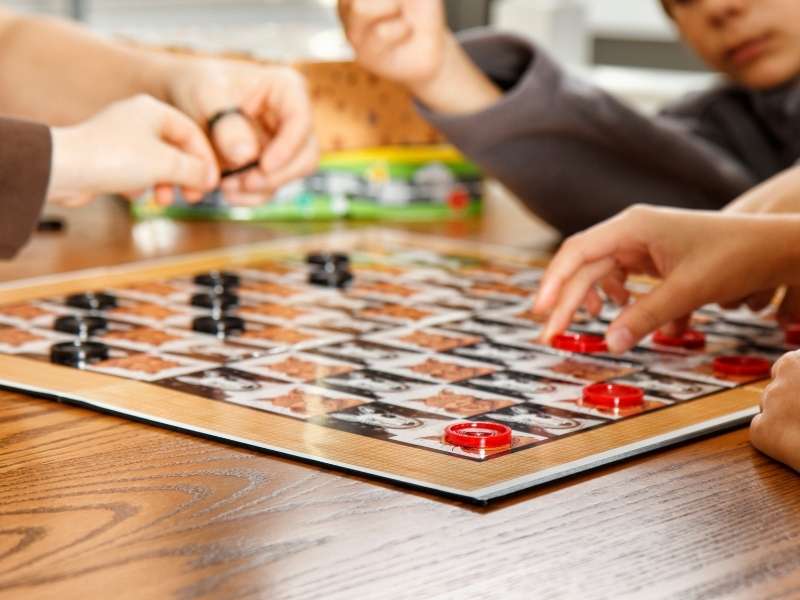
Unexpected moments keep children engaged.
Between games, pull a surprise challenge from a small jar.
Some ideas include:
- Hop across the room.
- Tell a silly joke.
- Make your funniest face.
- Pretend to be your favorite animal.
- Sing one line from a favorite song.
- Balance a book on your head.
These tiny challenges only take a minute.
They quickly fill the room with laughter before the next game begins.
If your children enjoy creative activities, Fun and Creative Ceramic Painting Ideas That Encourage Creativity in Kids is another wonderful way to spend time together.
16: Create Special Rewards That Everyone Enjoys
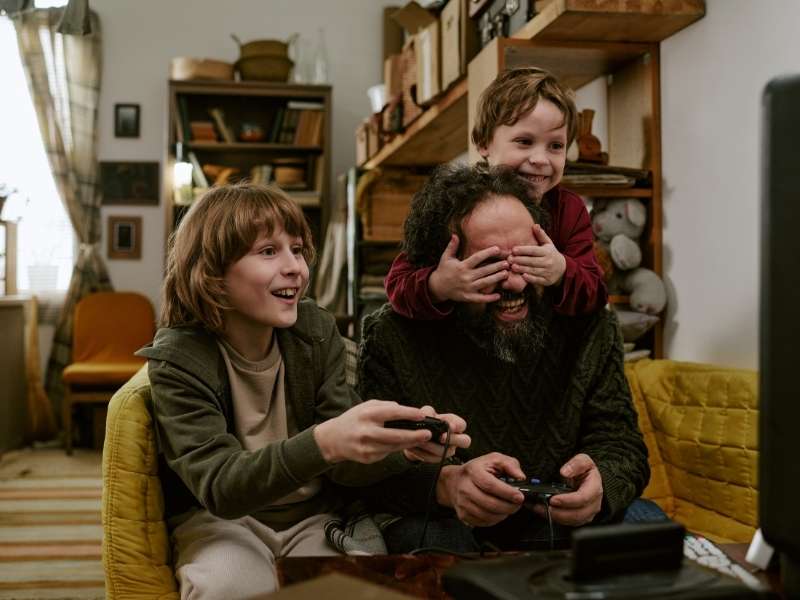
Family game night does not need expensive prizes.
Children usually become just as excited about simple rewards.
The winning team could choose dessert.
The youngest player might pick the first game next month.
Everyone could earn a homemade certificate for joining in.
Celebrate different achievements too.
Funniest player.
Best teammate.
Kindest helper.
Biggest cheerleader.
Recognizing positive attitudes helps children value kindness just as much as winning.
17: Let Children Choose One Game
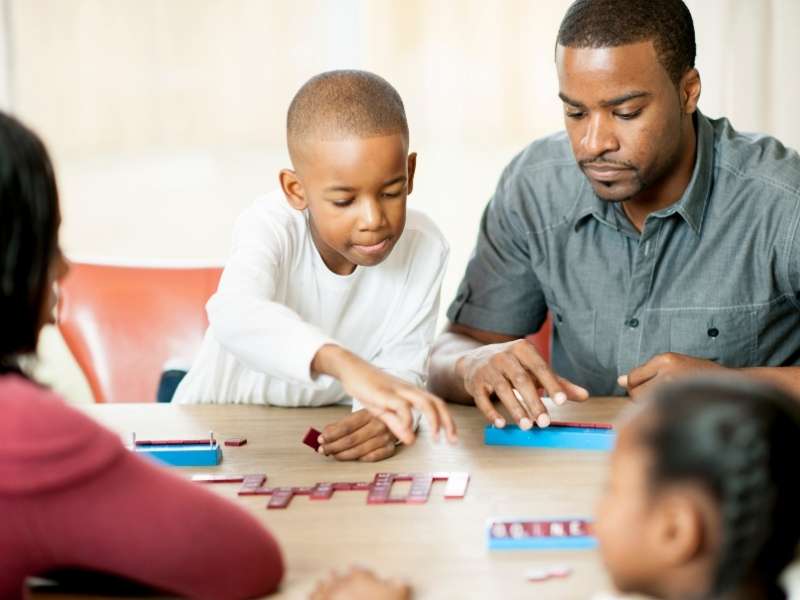
Adults often plan every detail.
Try letting the children take over for one game instead.
They may introduce a favorite card game.
They might invent new rules.
Some children even enjoy creating an entirely new game.
Those moments encourage creativity and confidence.
Watching their ideas come to life often becomes one of the highlights of the evening.
If your children enjoy making things from scratch, 31 Minecraft Paper Craft Ideas Kids Will Want to Make Immediately encourages the same kind of imagination.
18: Try a Different Theme Every Month
Changing the theme keeps family game night exciting.
One month could become Pirate Night.
The next could be Jungle Adventure.
Another could become Space Explorers.
Holiday themes work well too.
During autumn, decorate with colorful leaves.
During summer, use bright beach colors.
Around birthdays, decorate with balloons and banners.
Children look forward to discovering the next surprise.
If you enjoy seasonal family fun, 15 Creative Fall Crafts for Kids Using Leaves, Apples, and Pumpkins offers more ideas that fit perfectly with autumn-themed game nights.
19: End the Night With Something Calm
After lots of excitement, slow things down before bedtime.
Read a short story.
Share your favorite moment from the evening.
Ask everyone which game they want to play next time.
Those quiet conversations often become just as meaningful as the games themselves.
Children leave feeling happy instead of overstimulated.
If your child enjoys winding down with books, 41 Cozy Reading Nook Ideas Every Book-Loving Child Will Adore can help you create the perfect reading space at home.
20: Take Photos Along the Way

You do not need professional pictures.
Simple snapshots tell the story perfectly.
Capture someone laughing.
Take a picture of the game table.
Photograph the winning team celebrating together.
Years later, those photos often become treasured memories.
Children love looking back and remembering the games they played together.
One day, they may even continue the same tradition with their own families.
If you enjoy preserving special moments, The Ultimate Guide to Documenting Your Child’s Milestones shares more thoughtful ways to save family memories.
Fun Family Game Night Themes to Try
Once your family enjoys regular game nights, changing the theme keeps everyone excited.
Superhero Night
Everyone dresses as a superhero.
Even homemade capes made from towels make the evening more fun.
Create games where families complete missions together instead of competing.
Beach Party Night
Decorate with beach towels, sunglasses, and bright colors.
Play tropical music between games.
Serve fruit and lemonade during snack breaks.
Children quickly feel like they are on a little vacation.
Camping Night
Build a blanket fort before the games begin.
Use flashlights for storytelling between rounds.
Pretend everyone is camping deep in the woods.
If your children enjoy imaginative indoor play, How to Set Up a Beautiful Fall-Themed Kids Play Corner can inspire another cozy family activity.
Favorite Character Night
Invite everyone to dress as a favorite character.
Bluey.
Minecraft.
Fairies.
Ocean explorers.
Toy Story friends.
Children love pretending while they play.
If your child enjoys building imaginary worlds, 25 Fun Bluey Crafts Kids Will Be Excited to Make is a great activity for the following day.
Simple Ways to Keep Family Game Night Fresh
The best traditions continue because they keep changing.
Small updates make every game night feel like a new adventure.
Rotate Who Plans the Evening
Choose a different family member each month.
One person picks the games.
Another chooses the snacks.
Someone else decorates the room.
Children love having a special responsibility.
Planning the evening becomes almost as exciting as playing the games.
Create a Family Trophy
A homemade trophy can become part of your tradition.
Decorate an old jar.
Paint a wooden block.
Use cardboard and craft supplies.
The winning team keeps the trophy until the next game night.
Children enjoy seeing it displayed around the house.
If your family enjoys making handmade projects together, Easy Rock Painting Ideas for Kids (No Experience Needed!) offers another fun keepsake idea.
Add a New Game Every Few Months
You do not need a huge collection.
Adding one new game from time to time keeps everyone curious.
You can even invent your own.
Ask children what kind of game they would like to create.
Their ideas are often surprisingly creative.
Homemade games sometimes become family favorites.
Celebrate Special Occasions With Game Night
Family game night can become part of birthdays, holidays, and school celebrations.
Play favorite games before a birthday party.
Celebrate the last day of school with a tournament.
Create holiday-themed trivia questions.
Those little traditions make special occasions feel even more meaningful.
If you are planning a celebration soon, How to Plan a Magical Kids Birthday Party From Start to Finish includes ideas that pair beautifully with a family game night.
Why Children Remember Fun Family Game Nights
Children rarely remember every toy they received.
They often remember how people made them feel.
Family game night creates those feelings naturally.
Everyone laughs together.
Everyone cheers for each other.
Everyone shares the same experience.
Those moments build trust, confidence, and stronger family relationships.
Children learn patience while waiting for their turn.
They practice problem-solving during games.
They discover how to win with kindness and lose with grace.
Most importantly, they learn that spending time together matters.
That lesson stays with them long after childhood.
If you enjoy creating meaningful traditions, Heartwarming Childhood Milestones Parents Often Forget to Celebrate shares more simple moments that deserve recognition.
Final Thoughts on How to Plan a Fun Family Game Night
Learning how to plan a fun family game night is not about creating a perfect evening. It is about bringing everyone into the same room, putting everyday distractions aside, and enjoying time together.
Some nights will be full of loud laughter. Other nights may include a few disappointed faces when a favorite team loses. Those moments are all part of the experience. They teach children how to celebrate, encourage others, and enjoy being together.
The best family game nights do not require expensive supplies or complicated planning. They simply need willing hearts, a few fun games, and time set aside for one another.
Years from now, your children may not remember every game they played. They will remember gathering around the table, laughing until their stomachs hurt, cheering for each other, and asking when the next family game night would be.
Those ordinary evenings often become the stories families tell for generations.