Some links on this blog may contain affiliate links. If you make a purchase through one of these links, I may earn a small commission at no extra cost to you. Thank you for supporting Enchanted Kids Moment!
First steps rarely happen in a neat, picture-perfect way. A baby might let go of the sofa, wobble forward twice, fall onto the rug, then laugh while everyone around them starts shouting. Sometimes nobody even expects it. One second, they are holding onto furniture like usual, and the next, everyone is trying to grab a phone before the moment disappears.
What makes those first steps worth remembering is how quickly life changes afterward. Suddenly, a baby who once stayed close to one spot starts crossing the room, reaching new places, and testing how far those little legs can take them. The walking itself may only last a few seconds, but the memory can stay with a family for years.
That is where first steps celebration ideas can help. You can save the date, keep the first shoes, photograph the little wobbly stance, record a short video, or create a small keepsake from that day. None of it needs to turn into a party. The goal is simply to mark the exact stage before confident walking takes over and those first uncertain steps become harder to remember.
If you enjoy saving those easily missed pieces of childhood, The Ultimate Guide to Documenting Your Child’s Milestones has more practical ways to record the details around each first.
In this guide, I will share first steps celebration ideas that focus on photographs, keepsakes, family memories, and simple traditions you can actually keep. Each idea helps preserve more than the walking itself. It helps you remember what that day looked and felt like.
Why the First Steps Deserve Their Own Memory
First steps can disappear into everyday life surprisingly quickly.
At first, everyone watches every attempt. A few weeks later, the same baby may be walking across the room without anyone reaching for a camera.
That quick transition makes the early details worth recording.
Think beyond the date your baby first walked.
Remember where they stood, who saw it, what they were wearing, and what happened immediately afterward.
Those details give first steps celebration ideas their meaning.
Small achievements often disappear between larger birthdays and holidays. Heartwarming Childhood Milestones Parents Often Forget to Celebrate has more ideas for noticing those quieter stages..
First Steps Celebration Ideas
1. Photograph the Wobbly Standing Stage
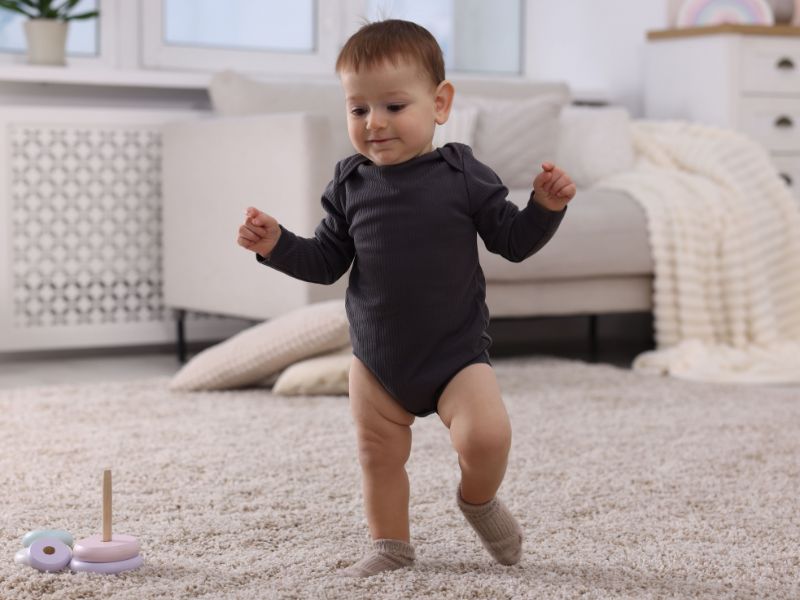
Do not wait until your baby walks confidently.
Photograph the stage just before it.
Capture them holding the sofa, standing beside a low table, or balancing with their arms stretched out.
Those photographs show the work happening before the first independent steps.
Take pictures from your baby’s level rather than always standing above them.
You can later place these beside walking photographs to show the progression.
If you enjoy marking little achievements without creating pressure, Why Celebrating Small Childhood Milestones Matters More Than You Think explores this approach further.
2. Write Down the Exact First-Steps Story
Dates alone rarely tell enough.
Write what actually happened.
Where was your baby standing?
What made them let go?
How many steps did they manage?
Who noticed first?
Did everyone cheer?
Did your baby look confused by the reaction?
Write the story while the details remain fresh.
Years later, that paragraph may bring back more than a perfectly posed photograph.
3. Take a Photograph of the Place It Happened
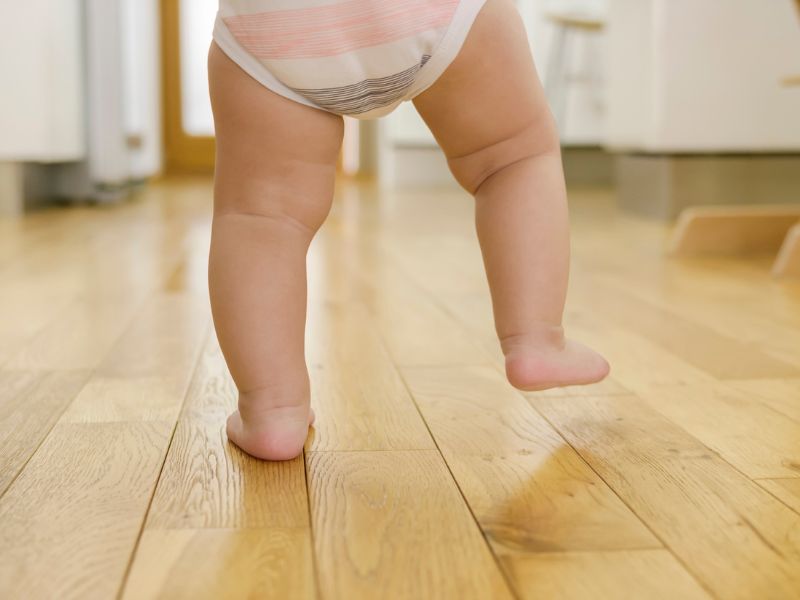
Photograph the actual location.
Maybe those first steps happened between the sofa and coffee table.
Perhaps your baby crossed a grandparent’s kitchen.
Maybe they walked toward a sibling sitting on the floor.
The room itself becomes part of the story.
You can add the photograph to a keepsake collection inspired by DIY Childhood Memory Box Ideas.
4. Save the Outfit From That Day
If your baby wore an outfit you already love, consider keeping it.
Wash it before storing.
Fold it carefully and add a note explaining why you saved it.
You do not need to preserve every item your baby wore.
One outfit connected to a clear memory carries far more meaning than a cupboard filled with random baby clothes.
For other items worth preserving, The Most Creative Baby Keepsake Ideas for New Parents has plenty of practical ideas.
5. Keep Their First Walking Shoes
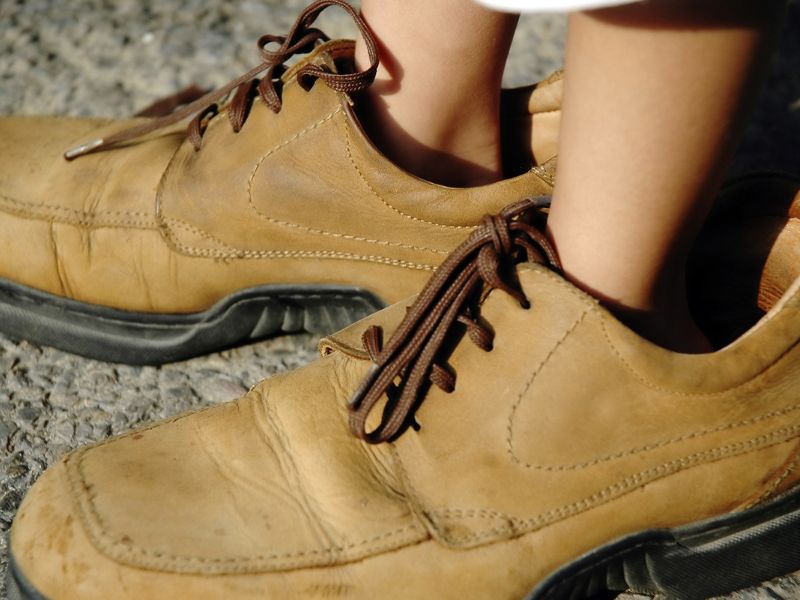
First shoes make an easy physical keepsake.
Clean them before storing.
Write the date inside a small card.
You could also include a photograph showing your baby wearing them.
Avoid depending on the shoes alone to tell the story.
The accompanying note makes them much more meaningful later.
6. Make a First-Steps Memory Card
Create a small card with the basic details.
Include:
- Baby’s age
- Date
- Location
- Number of steps
- Who saw it
- What baby walked toward
- A funny detail
Keep the card beside photographs.
You can use the same style for other milestones too.
This creates a consistent childhood record without requiring an elaborate scrapbook.
7. Record a Short Walking Video
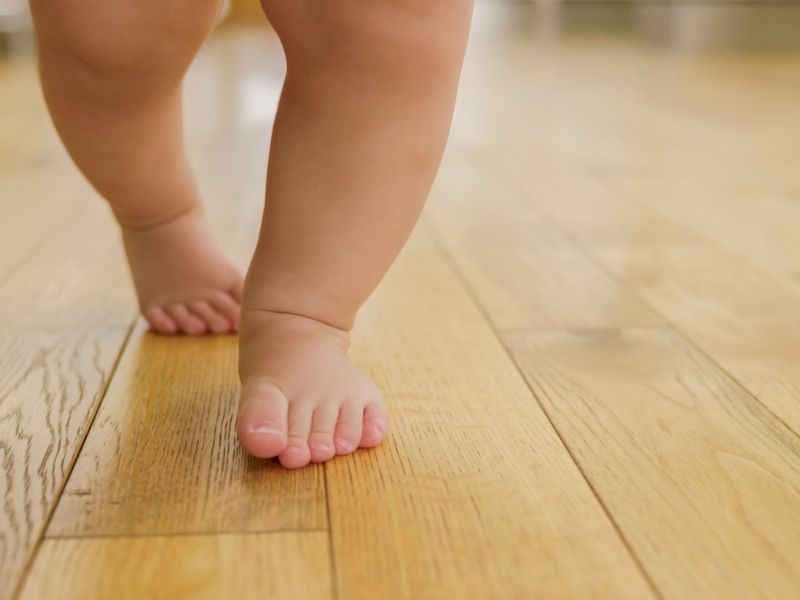
Once those first steps begin, keep your phone nearby.
You do not need a polished video.
Record your baby trying.
Keep the falls.
Keep the laughter.
Keep the moment they change direction and lose balance.
Those imperfect movements are exactly what will disappear as walking improves.
Video can work alongside the ideas in The Ultimate Guide to Documenting Your Child’s Milestones to create a fuller record of childhood.
8. Photograph the Tiny Feet
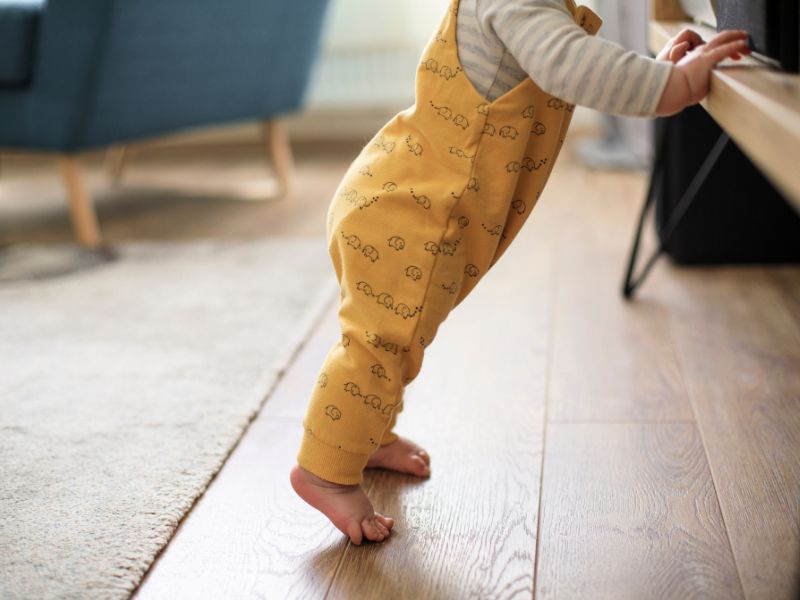
Take a close photograph of your baby’s feet.
You can photograph them barefoot on the floor or standing in their first shoes.
Avoid complicated props.
The simplicity makes the size of those little feet stand out.
Repeat the photograph around their next birthday.
The comparison can become a sweet record of growth.
9. Make a Footprint Keepsake
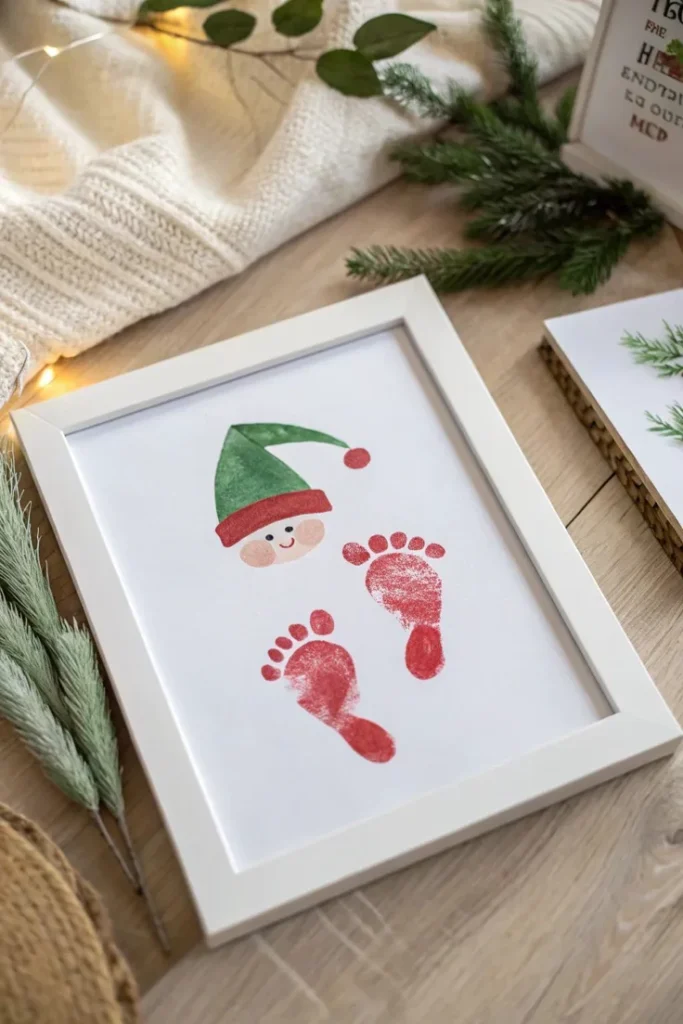
Use baby-safe washable paint or an appropriate impression kit.
Create one footprint from each foot.
Add the child’s name, age, and date.
Keep the design simple.
The footprint itself should remain the focus.
You could frame it or store it flat inside a memory box.
Handmade keepsakes also work beautifully for other stages, as shown in 23 Adorable Ceramic Mug Painting Ideas for Kids That Make the Sweetest Keepsakes.
10. Create a First-Steps Photo Sequence
Instead of choosing one photograph, print three or four.
Start with standing.
Then show the first movement.
Include a wobbly step.
Finish with the landing or proud expression afterward.
Place the photographs in order.
The sequence tells the story much better than one posed image.
These first steps celebration ideas work best when they preserve what the stage actually looked like.
11. Take a Photograph With the Person They Walked Toward
Babies often take their first steps toward someone.
If that happened, photograph them together afterward.
It could be a parent, sibling, grandparent, or another familiar person.
Write the person’s name beside the photograph.
That relationship becomes part of the memory.
Family connections often shape childhood memories, which is also central to The Ultimate Guide to Creating Meaningful Childhood Memories With Kids.
12. Let Siblings Join the Celebration
Older siblings can become wonderfully excited about first steps.
Let them clap, encourage, or sit a short distance away while the baby walks toward them.
Take a photograph afterward.
Avoid making siblings responsible for teaching the baby to walk.
Their role can simply be sharing the excitement.
Those everyday sibling memories can become especially meaningful as children grow.
13. Call the Grandparents
If grandparents were not there, share the news.
A video call allows them to watch another attempt.
You could also send a short clip.
Record the grandparents’ reaction if everyone feels comfortable.
Years later, that reaction can become part of the story too.
Small family connections often matter far more than elaborate celebrations.
Read this: The Most Precious First Birthday Traditions Every Family Should Try.
14. Add the Moment to a Baby Memory Book
If you already keep a baby book, give first steps more than one line.
Add the date.
Include a photograph.
Write the story.
Mention who witnessed it.
Record what happened immediately afterward.
Those extra details help the memory feel alive years later.
15. Create a Memory Box Envelope Just for First Steps
Use one labelled envelope inside your child’s memory box.
Add the memory card, photographs, footprint, and any other flat keepsake.
Write “First Steps” and the date outside.
This prevents small items from disappearing among larger keepsakes.
If you already save birthday memories, your Birthday Interview Questions to Ask Your Child Every Year pages can eventually join the same childhood collection.
16. Make a Before-and-After Walking Photo
Find a photograph from the crawling stage.
Pair it with a new walking photograph.
Print them at the same size.
Add the dates underneath.
This simple comparison shows how quickly development changes during early childhood.
You can repeat the idea for other milestones later.
17. Photograph Their Favourite Crawling Toy
Sometimes babies leave certain toys behind once walking begins.
Take a picture of a favourite crawling-stage toy.
Maybe it was something they pushed.
Perhaps they always crawled across the room to reach it.
Write one sentence about the memory.
It may seem insignificant now, but those everyday details become harder to remember later.
Keeping only meaningful toys also helps prevent clutter. Toy Storage Ideas That Make Cleanup Easier for Kids has practical storage ideas for everything else.
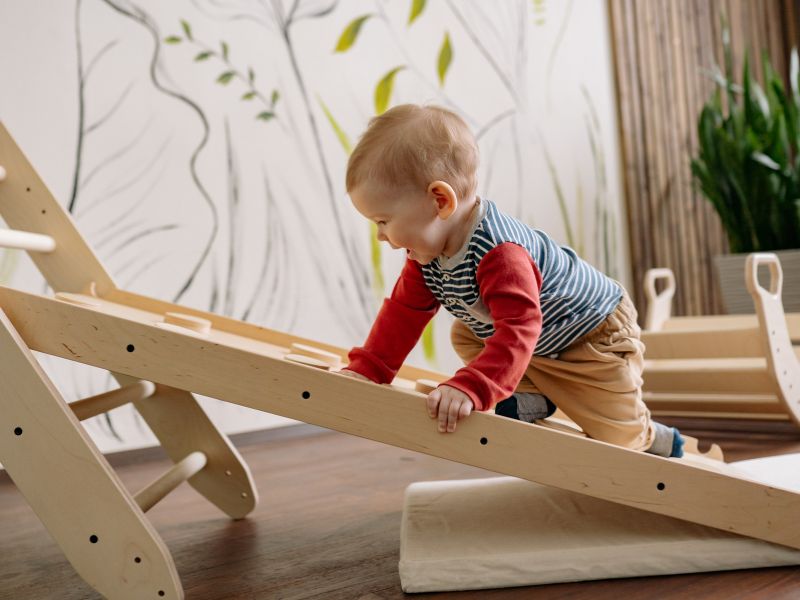
18. Let Your Baby Walk Toward a Favourite Toy
Place a familiar toy a short distance away.
Do not move it too far.
Let your baby decide if they want to walk toward it.
Keep the activity playful.
Never repeatedly reposition a baby just to capture a better photograph.
The goal is encouraging natural movement, not creating a staged performance.
19. Once walking begins, babies want to practise everywhere.
Clear a simple route through the room.
Move unstable items.
Keep sharp objects away.
Give your baby space to practise without navigating unnecessary obstacles.
You may also need to rethink toy placement.
Ideas from 25 Creative Kids Room Storage Ideas That Maximize Every Inch of Space can help keep floor areas clearer as mobility increases.
20. Create a Soft Practice Corner
Choose a comfortable area where your baby regularly practises standing and walking.
Keep the floor uncluttered.
Place a few favourite toys nearby.
Avoid turning the area into an elaborate developmental station.
A familiar corner with room to move works well.
If you are adjusting the nursery as your baby becomes mobile, 23 Shared Nursery Ideas That Make Room Sharing Feel Cozy and Special has useful inspiration for making shared spaces function better.
21. Take a First Walk Outside Photograph
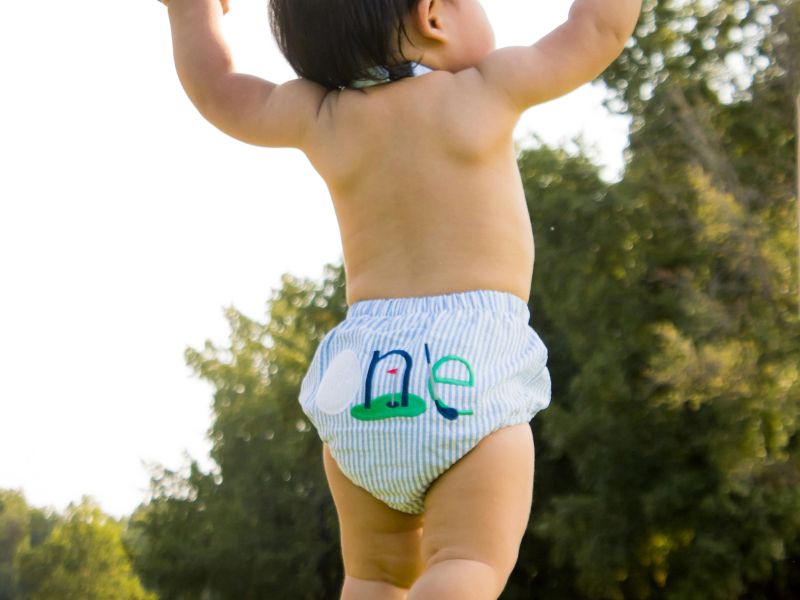
Once your child can walk safely enough with appropriate support, capture an early outdoor walk.
Choose a familiar, safe space.
The garden can work.
A quiet park may also be suitable.
Photograph your child exploring at their own pace.
Outdoor movement opens an entirely new stage of childhood.
Later, activities like Exciting Fall Nature Activities That Help Kids Explore the Outdoors can build on that early curiosity.
22. Photograph the First Time They Carry Something While Walking
Early walkers often look incredibly proud when they discover they can carry objects.
A toy suddenly travels across the room.
Then another object follows.
Soon, everything moves.
Capture one of those moments.
It shows the transition from simply learning to walk toward using walking to explore.
23. Record What Your Baby Was Like at This Stage
Walking does not happen separately from everything else.
Write down what your baby currently loves.
What makes them laugh?
Which toy follows them everywhere?
What food do they enjoy?
Which song gets a reaction?
What does bedtime look like?
These details turn first steps celebration ideas into a wider snapshot of this stage.
24. Add a First-Steps Page to a Milestone Album
Create one page around the milestone.
Use a large photograph.
Add two smaller pictures.
Write the date and story underneath.
Include a footprint if you have one.
Avoid filling every empty space.
A simple page keeps attention on the memory.
An easy project like How to Make an Adorable Seashell Picture Frame Craft for Preschoolers shows how a handmade frame can become part of the memory itself.
25. Turn a First-Steps Photograph Into a Keepsake Ornament
Print a small photograph and place it inside a simple photo ornament.
Add the year.
Bring it out during the holidays.
Over time, your decorations can quietly hold different childhood stages.
If your family enjoys seasonal crafts, 15 Creative Fall Crafts for Kids Using Leaves, Apples, and Pumpkins offers more ideas for turning seasonal creativity into keepsakes.
What Not to Do When Celebrating First Steps
Excitement can easily turn into pressure.
Avoid repeatedly asking your baby to perform the new skill for visitors or photographs.
They may walk once and refuse to do it again.
That is normal.
Do not compare the milestone with another child’s timeline either.
Your celebration should focus on your child’s experience.
Common Mistakes Families Make When Celebrating Childhood Milestones covers more ways to keep milestone celebrations centred on the child rather than outside expectations.
Do Not Worry If You Miss the Exact First Step
Sometimes nobody sees it clearly.
A baby may walk at childcare.
They might take two steps while everyone looks elsewhere.
Perhaps you cannot decide if yesterday’s tiny shuffle actually counted.
That does not make the milestone less important.
Celebrate the stage rather than chasing one exact second.
Record when independent walking clearly began.
Your memories can still feel complete.
Do Not Force a Perfect First-Steps Photograph
A blurry photograph can tell a better story than a posed one.
Your baby’s hair might look messy.
Toys may cover the floor.
Someone’s hand might appear at the edge of the frame.
That is real life.
Take a few photographs, then return to watching.
You do not want the entire memory to happen through a phone screen.
Make the Home Easier for a New Walker
Once your baby starts walking, the room changes.
Objects that were previously out of reach may suddenly become accessible.
Look at the space from your child’s new height.
Secure unstable furniture where appropriate.
Move breakable objects.
Keep pathways clear.
Think carefully about storage.
A simpler room can make everyday movement easier. 25 Minimalist Kids Room Ideas That Stay Organized and Beautiful offers inspiration for reducing visual and physical clutter.
Give Your Baby Room to Practise Naturally
New walkers need opportunities to move.
You do not need to create structured walking sessions.
Everyday life provides practice.
Let your baby move between familiar people.
Allow them to explore safe spaces.
Place interesting objects within reasonable reach.
As your child becomes older and more coordinated, active setups like How to Set Up a Simple Indoor Obstacle Course For Kids can continue supporting movement through play.
Create Space for Active Play as Walking Improves
Walking soon becomes climbing, carrying, pushing, and running.
Your play spaces may need to change.
Keep frequently used toys accessible.
Leave some open floor space.
Choose activities that allow safe movement.
For days spent indoors, How to Make Colorful Paper Movement Break Cards for Active Kids can later become a playful tool as your child grows.
Final Thoughts
The best first steps celebration ideas do not need to make a baby’s first walk bigger than it already is.
The moment already has a story.
Maybe your baby released the sofa and took three determined steps toward someone.
Perhaps they crossed the room chasing a favourite toy.
Maybe everyone shouted so loudly that the baby immediately sat down.
Save that version.
Take the photographs.
Keep the tiny shoes if they matter to you.
Write the date somewhere safe.
Record who watched and what happened afterward.
Then continue photographing the wobbly stage while it lasts.
Before long, those uncertain steps become confident walking. Soon after that, everyone starts trying to keep up.
Childhood moves through stages quickly, which is why preserving the ordinary details matters. The Ultimate Guide to Creating Meaningful Childhood Memories With Kids can help you continue doing that long after the first steps are over.
Years later, the first shoes may look impossibly small.
The room in the photograph may look completely different.
Your child may laugh when you explain how everyone reacted.
Still, the story remains.
That is the real purpose behind first steps celebration ideas. They give families simple ways to hold onto a short stage before those tiny, wobbly steps become an everyday part of life.