Some links on this blog may contain affiliate links. If you make a purchase through one of these links, I may earn a small commission at no extra cost to you. Thank you for supporting Enchanted Kids Moment!
A child’s bedroom should feel like a place where they can sleep, play, learn, and relax without feeling surrounded by clutter. When every shelf, toy box, and corner feels full, the room can quickly become difficult to organize and even harder to enjoy.
That is why so many families are choosing minimalist kids room designs that focus on simplicity, comfort, and practical storage.
Minimalism does not mean creating a plain or empty bedroom. Instead, it means choosing furniture that serves a purpose, keeping only the items your child truly uses, and decorating with intention. A few well-chosen pieces often create a room that feels warmer, calmer, and much easier to keep tidy.
If you’re looking for more ways to organize your child’s space, you may also enjoy 25 Kids Room Storage Ideas That Actually Keep Toys Organized.
The best minimalist kids room designs also grow with your child. Neutral colors, timeless furniture, and flexible storage solutions make it easier to update the room as your little one gets older. You can still add personality through artwork, cozy bedding, books, and a few favorite toys without making the space feel crowded.
In this guide, you’ll discover 33 minimalist kids room designs that combine beauty with everyday function. Whether you’re decorating a nursery, refreshing a toddler’s room, or redesigning a bedroom for an older child, these simple ideas will help you create a peaceful, organized space that stays clutter-free and easy to maintain.
How Do You Make a Kids’ Room Minimalist Without Making It Boring?
Minimalism does not mean removing everything your child enjoys. A child’s bedroom should still feel personal, playful, and comfortable.
Start with a simple foundation of furniture and neutral colors. Then add personality through artwork, bedding, books, favorite toys, or one playful accent wall.
Give your child a small number of places to display the things they love. Keep the rest stored away so the room does not feel visually crowded.
The goal is to create a bedroom that feels calm without taking away the things that make it feel like your child’s own space.
33 Minimalist Kids Room Designs That Stay Clutter-Free
1. Choose a Neutral Color Palette
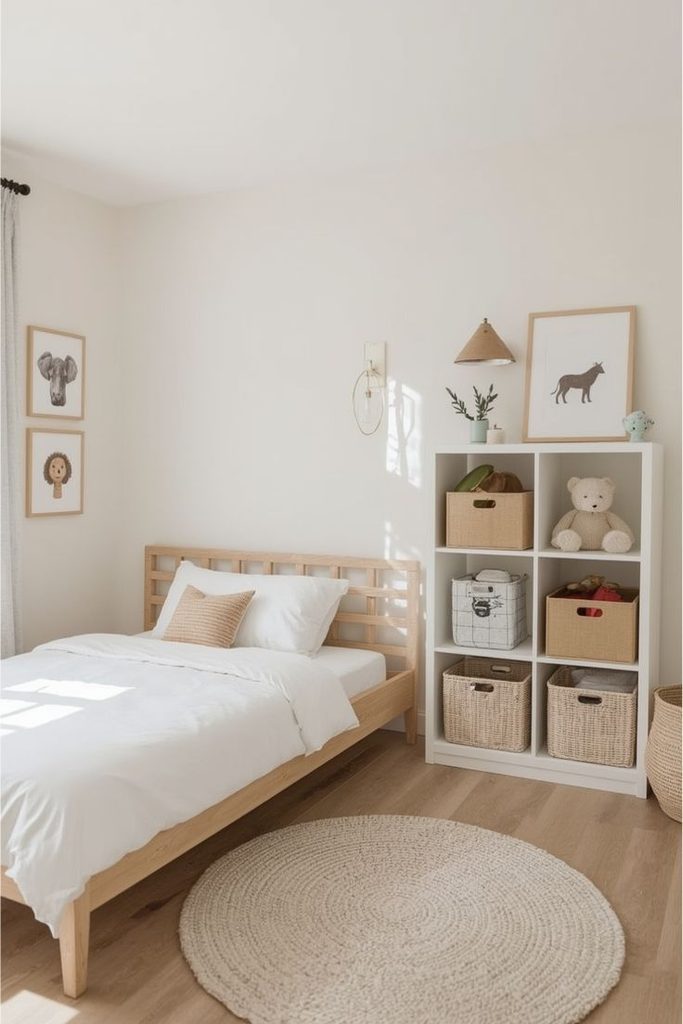
A calm color palette creates the foundation for beautiful minimalist kids room designs. Soft white, warm beige, light gray, muted sage, and gentle cream make a room feel brighter and more open. These colors also help colorful toys and books stand out without making the bedroom feel busy.
You do not need bright paint on every wall to make a child’s room cheerful. Instead, add small pops of color through pillows, artwork, blankets, or a favorite stuffed animal. Those accents are much easier to change as your child grows.
Neutral walls also work with almost any decorating style. You can refresh the room over the years without repainting everything.
If you enjoy simple spaces that stay practical, you’ll also love Kids Bedroom That Balances Fun and Function.
2. Pick Furniture That Does More Than One Job

Every piece of furniture should earn its place in the room.
A bed with built-in drawers stores extra bedding and seasonal clothes. A storage bench provides seating while hiding toys inside. A bookshelf with bins keeps books and games together without taking up extra floor space.
Furniture that serves multiple purposes helps reduce clutter while keeping everything within reach.
This approach also leaves more room for children to move around, build, imagine, and play comfortably.
If you’re decorating a smaller space, 25 Kids Room Storage Ideas shares even more smart storage solutions.
3. Leave Plenty of Open Floor Space
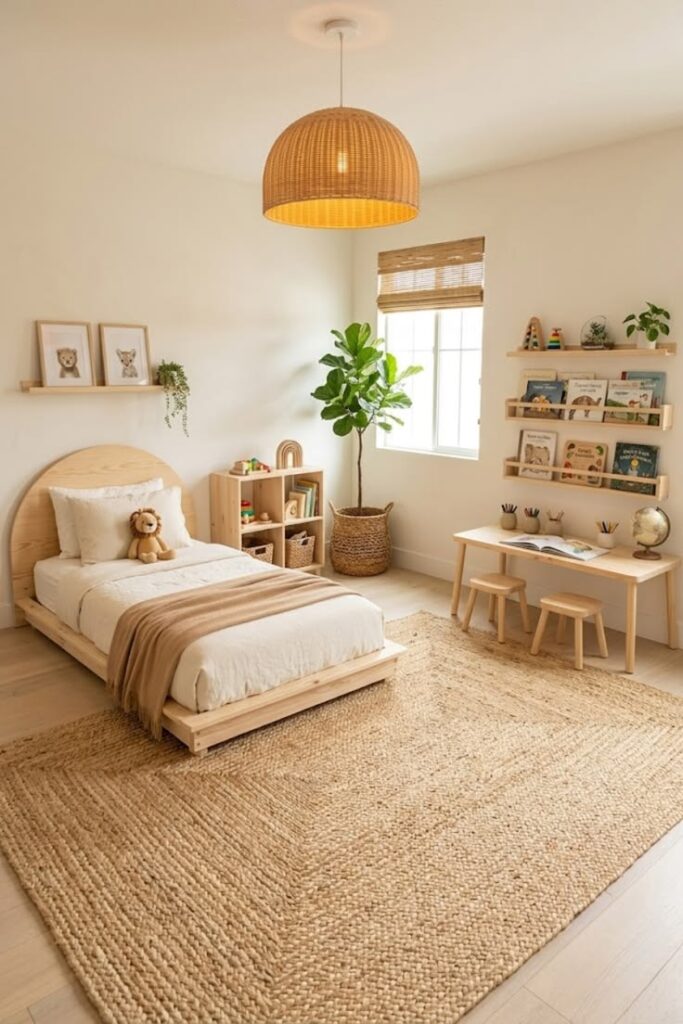
Children need room to move.
One of the biggest mistakes people make is filling every corner with furniture. While everything may seem useful, too many pieces quickly make the bedroom feel crowded.
Instead, leave a large open area where your child can build with blocks, complete puzzles, or enjoy quiet play.
An open floor also makes cleaning much easier.
When children have enough open space, they have more room for activities such as building, drawing, reading, and imaginative play.
Minimalist bedrooms often feel larger simply because they allow the room to breathe.
4. Display Only a Few Favorite Toys
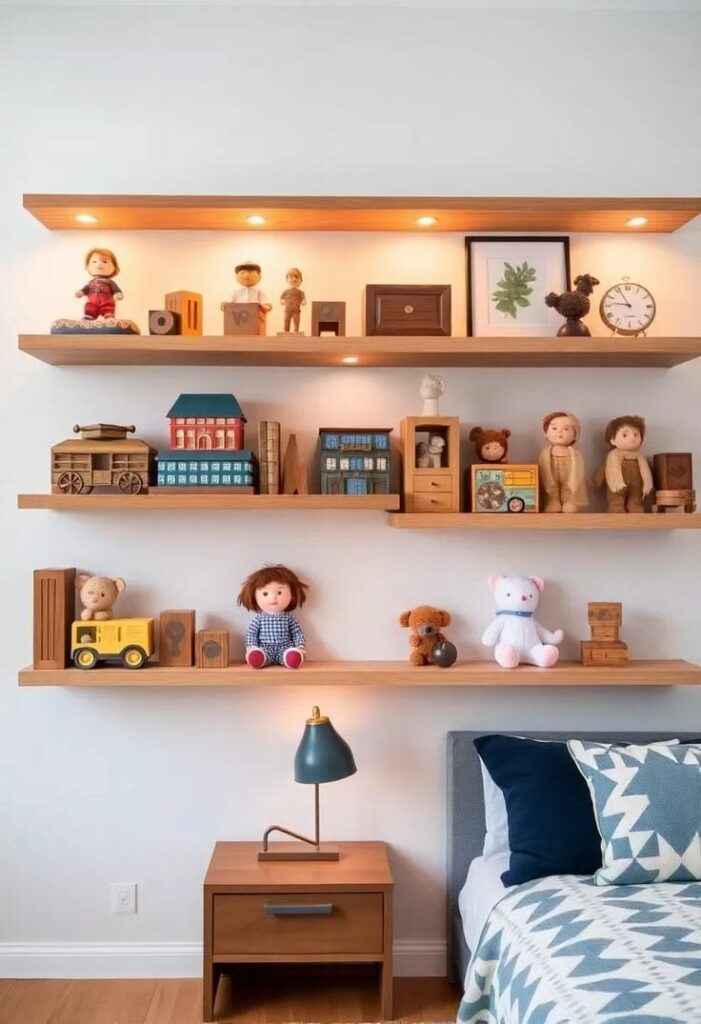
Children rarely play with every toy at once.
Instead of displaying dozens of toys, choose a handful of favorites and place them on open shelves.
The room immediately looks cleaner while still feeling playful.
You can rotate toys every few weeks to keep everything exciting without buying anything new.
Toy rotation also helps children appreciate what they already have.
If you enjoy encouraging imaginative play, Creating Meaningful Childhood Memories offers wonderful ideas that focus on experiences instead of collecting more things.
5. Use Simple Open Shelving

Open shelves encourage children to stay organized because everything remains easy to see.
Choose simple wooden shelves or floating shelves that match the room’s color palette.
Place books, baskets, and a few decorative pieces on each shelf without overcrowding them.
Leaving empty space between objects helps the entire room feel calmer.
Children also learn where things belong because every item has a clear home.
A well-organized shelf often becomes decoration on its own.
6. Keep Decorations Simple

Minimalist decorating focuses on quality instead of quantity.
Rather than filling every wall with artwork, choose one or two meaningful pieces that your child loves.
A framed animal print, a family photo, or simple wall decals often create more impact than dozens of decorations competing for attention.
The same idea applies to shelves.
Display a few meaningful items instead of every collectible.
If you’re decorating around a theme, How to Set Up a Beautiful Fall-Themed Kids Play Corner shows how to create personality without overwhelming the space.
7. Choose Natural Materials

Wood, cotton, linen, wicker, and woven baskets help create a warm bedroom that never feels cold or empty.
Natural materials add texture without creating visual clutter.
A wooden bed frame, soft cotton bedding, and woven storage baskets work together beautifully.
These materials also stay timeless.
Unlike trendy decorations, natural finishes rarely go out of style.
That means you won’t feel the need to redecorate every year.
8. Create a Cozy Reading Corner
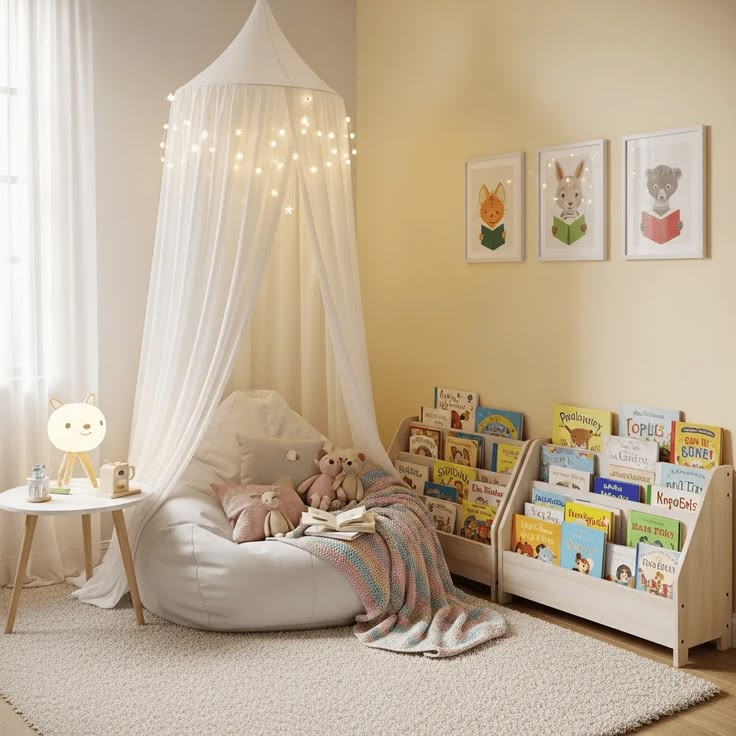
Every child’s bedroom benefits from a quiet reading space.
You only need a comfortable cushion, a small bookshelf, soft lighting, and a few favorite books.
The corner becomes a peaceful place where your child can relax after school or before bedtime.
Keeping the space simple helps children focus on reading instead of distractions.
If you’d like more inspiration, The Ultimate Guide to Creating a Cozy Reading Nook for Kids shares ideas for designing inviting reading spaces.
9. Hide Everyday Clutter Inside Matching Baskets
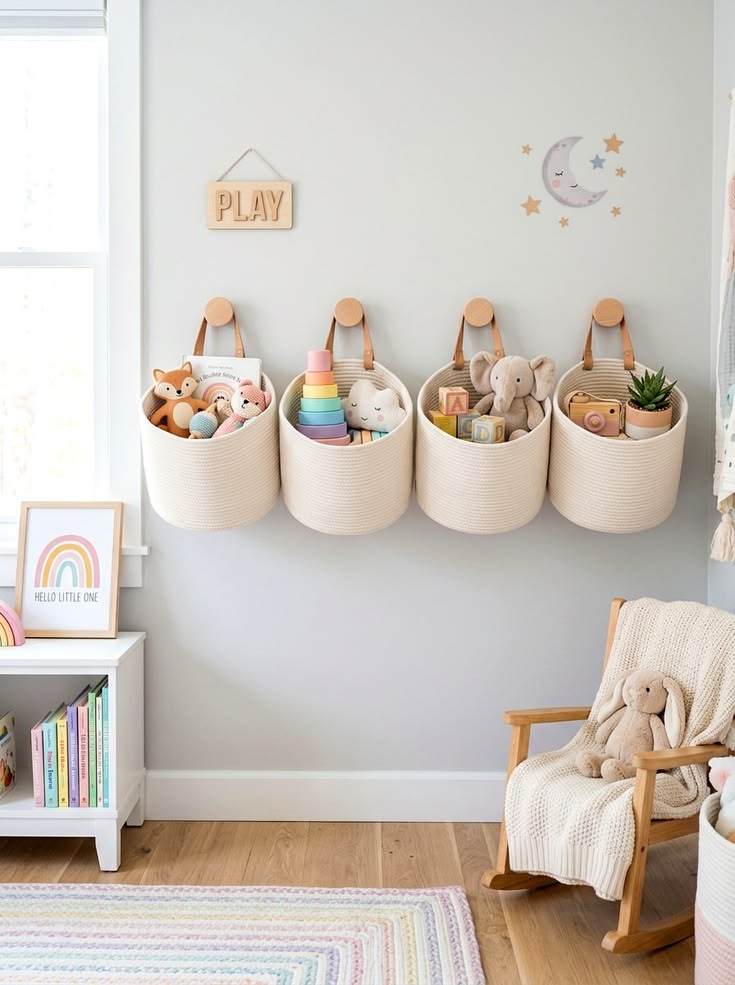
Storage baskets are one of the easiest ways to keep a minimalist bedroom looking neat.
Choose baskets that match each other instead of mixing different colors and styles.
Label them if needed, or assign each basket a specific purpose.
One basket can hold building blocks.
Another can store dolls.
A third can organize art supplies.
Matching storage instantly creates a cleaner appearance even when the baskets are full.
10. Let Natural Light Be the Main Feature

Large windows instantly make minimalist kids room designs feel brighter and more welcoming.
Keep heavy curtains to a minimum whenever possible.
Instead, choose light-colored curtains that allow plenty of sunshine inside during the day.
Natural light makes even small bedrooms feel more spacious.
It also highlights simple furniture and soft colors beautifully.
If privacy is important, layer sheer curtains with blackout curtains for bedtime while still enjoying daylight throughout the day.
11. Keep the Bed Styling Clean and Comfortable
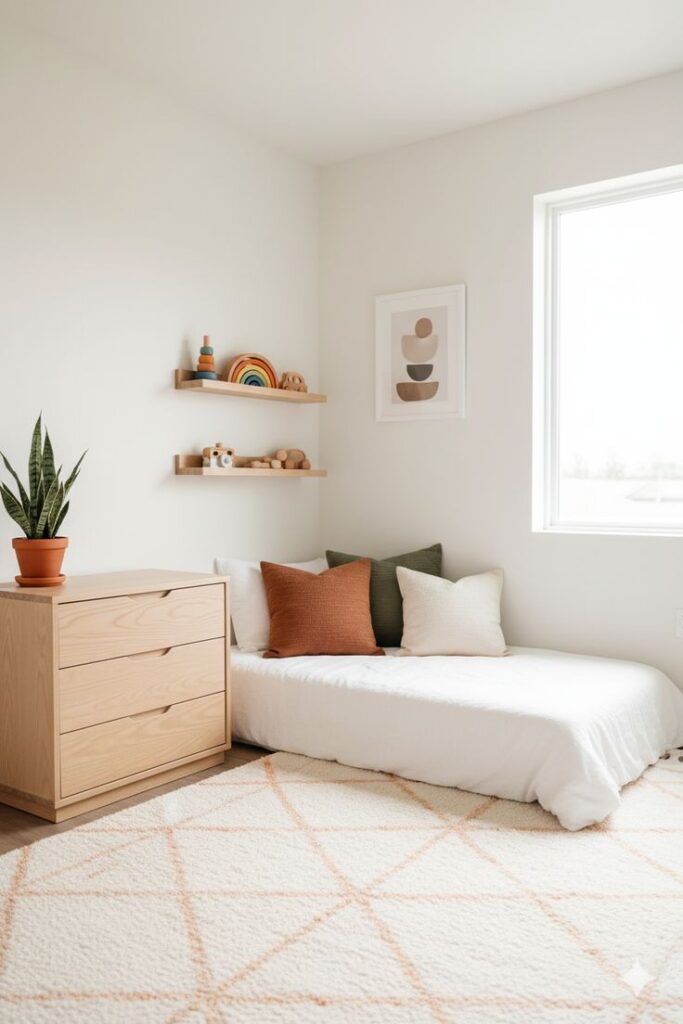
The bed naturally becomes the largest feature in the room.
Instead of layering many pillows and blankets, choose comfortable bedding in simple colors and soft textures.
A neatly made bed immediately makes the entire bedroom feel organized.
One throw blanket and two or three pillows usually create plenty of comfort without looking cluttered.
Read this next: 31 LEGO Bedroom Ideas for Creative Builders
12. Add Plants Carefully
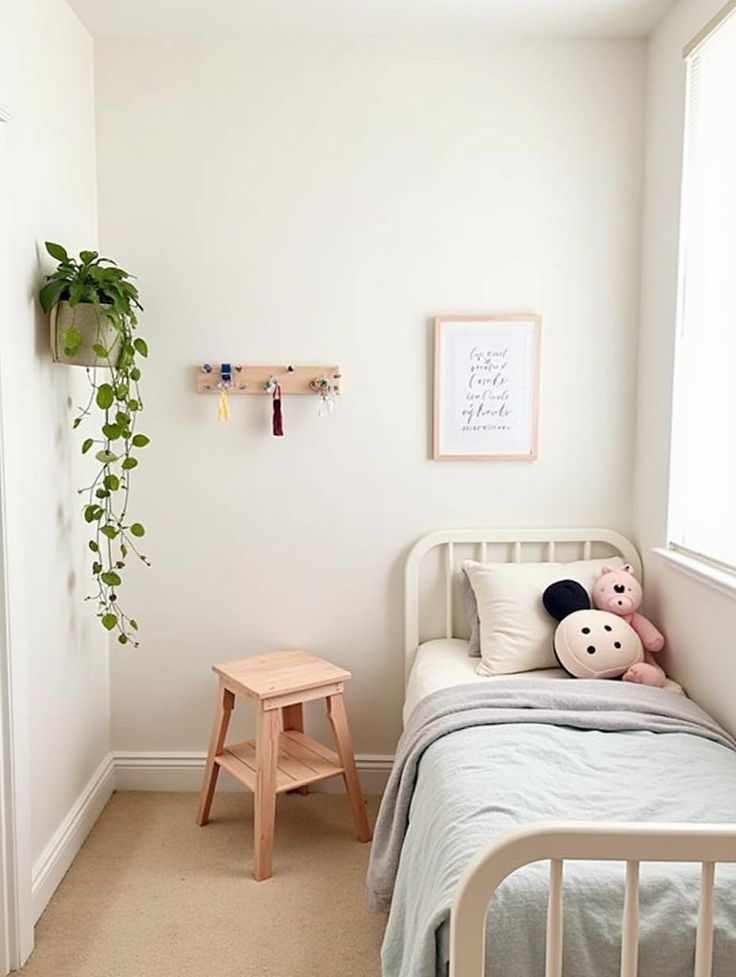
A small plant brings life into the bedroom without adding unnecessary decoration.
Choose child-safe plants that require little maintenance.
A simple planter on a shelf or windowsill adds freshness while keeping the overall design clean.
Even one small plant softens the room and creates a peaceful atmosphere.
You do not need an indoor jungle to enjoy the benefits of greenery.
Simple choices usually create the biggest impact
13. Install Wall Hooks for Everyday Items
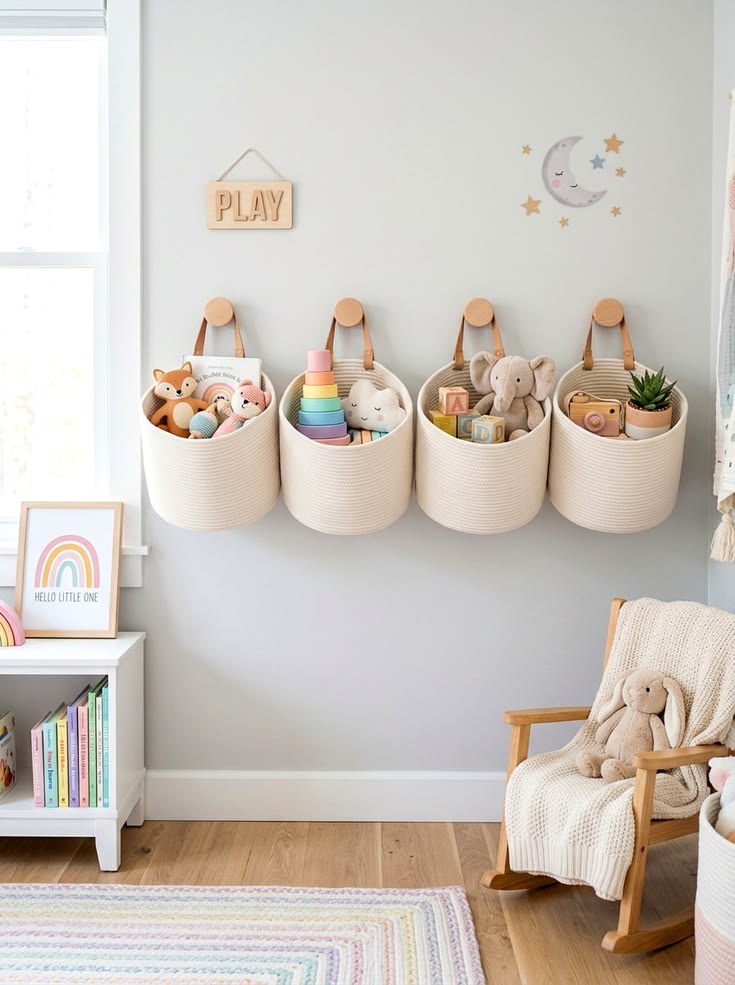
Small habits keep a minimalist bedroom organized.
Wall hooks give backpacks, jackets, hats, and small bags a permanent place instead of letting them end up on the floor.
Choose simple wooden or metal hooks that blend with the room instead of becoming another decoration.
Children quickly learn where to hang their belongings because the storage feels easy and convenient.
Little changes like this reduce daily mess without requiring extra effort.
If you enjoy creating functional bedrooms, 33 Pinterest-Inspired Kids Room Ideas includes many clever storage solutions.
14. Use Under-Bed Storage Wisely
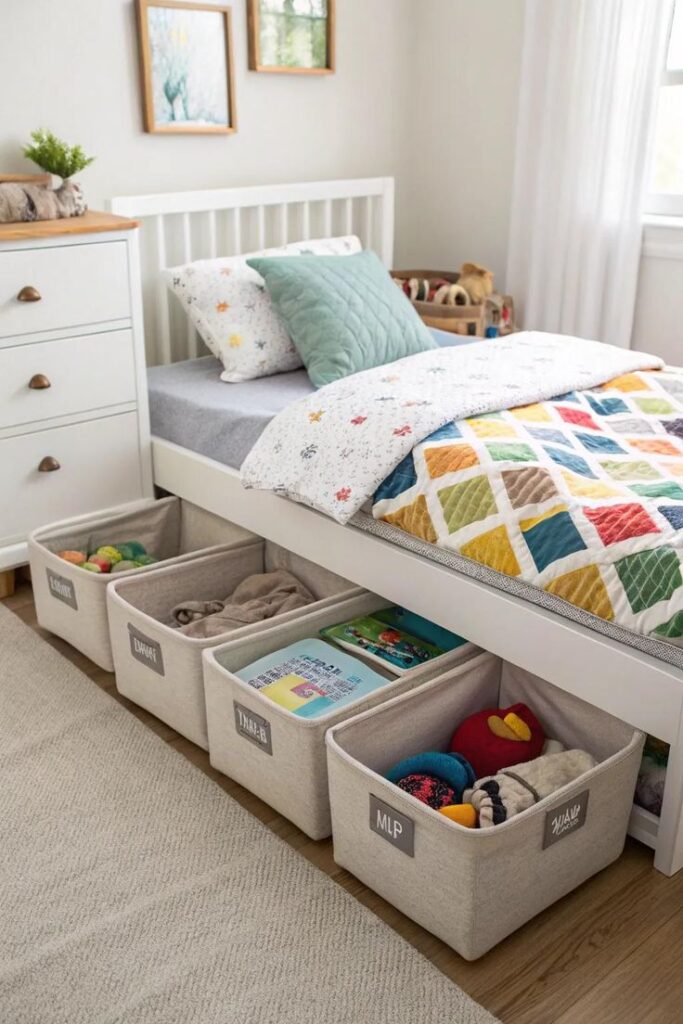
The space beneath the bed often goes unused.
Sliding storage boxes underneath creates extra room for seasonal clothes, extra blankets, memory boxes, or toys that are not used every day.
Choose containers with lids to keep everything clean and organized.
Avoid stuffing the area with random items.
Keeping only useful things underneath the bed helps maintain the clean look that makes minimalist kids room designs feel so relaxing.
15. Create a Small Homework Station
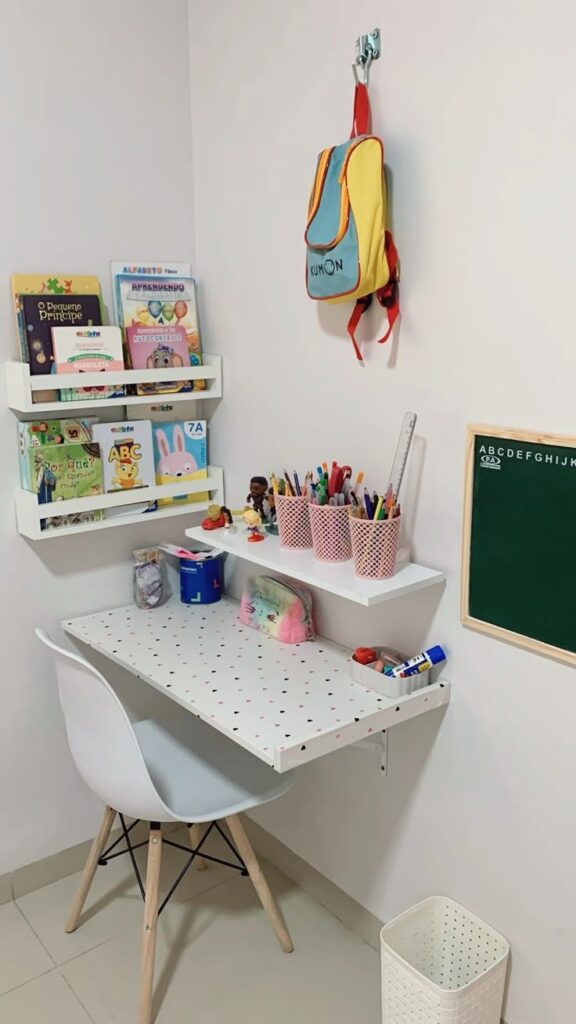
Children do not need a large desk to complete homework or enjoy crafts.
A simple table, a comfortable chair, and one organizer often provide everything they need.
Keep pencils, paper, scissors, and markers inside one drawer or storage caddy instead of spreading supplies across the room.
A tidy workspace encourages concentration while making cleanup much faster.
If your child enjoys creative projects, Easy Summer Crafts Kids Can Make in 10 Minutes offers fun activities that fit perfectly into a simple workspace.
16. Keep Closet Organization Simple
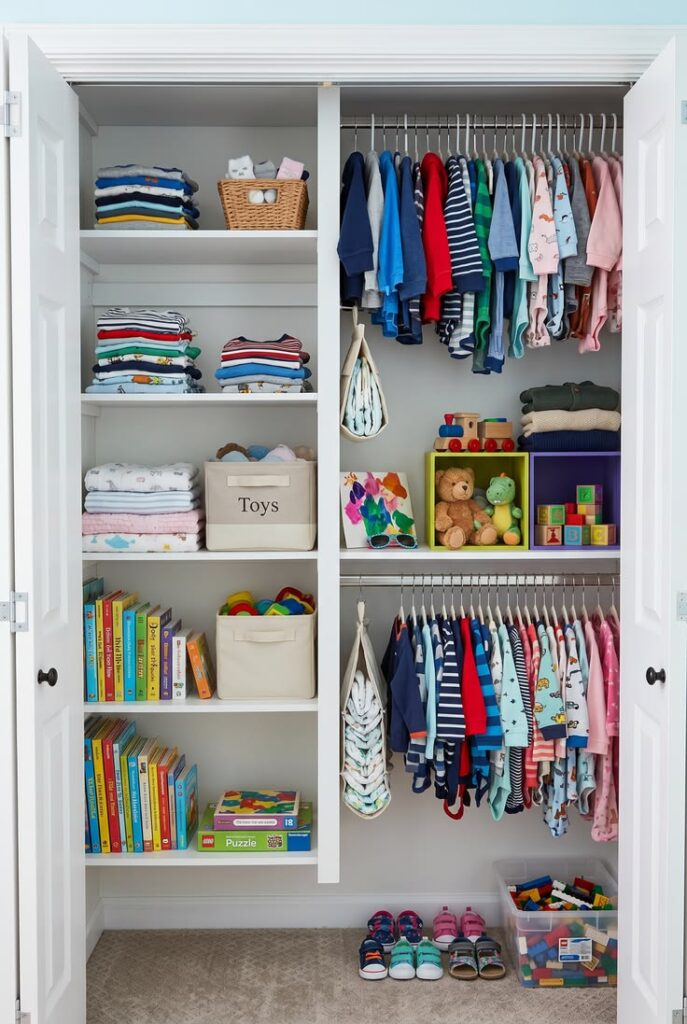
Closets can become cluttered surprisingly fast.
Instead of buying complicated organizers, use matching hangers, a few storage bins, and clearly separated sections.
Keep everyday clothes within easy reach.
Store seasonal clothing on higher shelves until needed.
Teaching children where everything belongs makes getting dressed much easier every morning.
Simple systems often last much longer than complicated ones.
17. Choose One Statement Rug
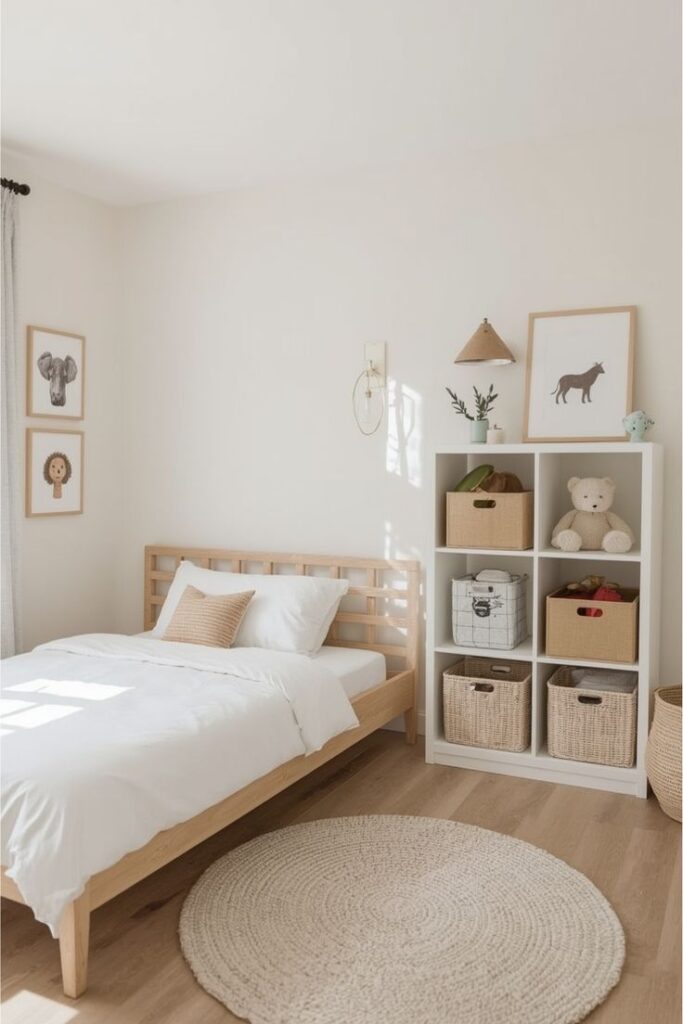
A beautiful rug adds warmth without making the bedroom feel crowded.
Instead of layering several rugs, choose one that fits comfortably beneath the bed or play area.
Soft neutral colors, subtle patterns, or simple textures complement minimalist decorating beautifully.
The rug also defines the play space while making the room feel cozy.
A single quality rug creates more impact than several smaller ones competing for attention.
18. Decorate With Books
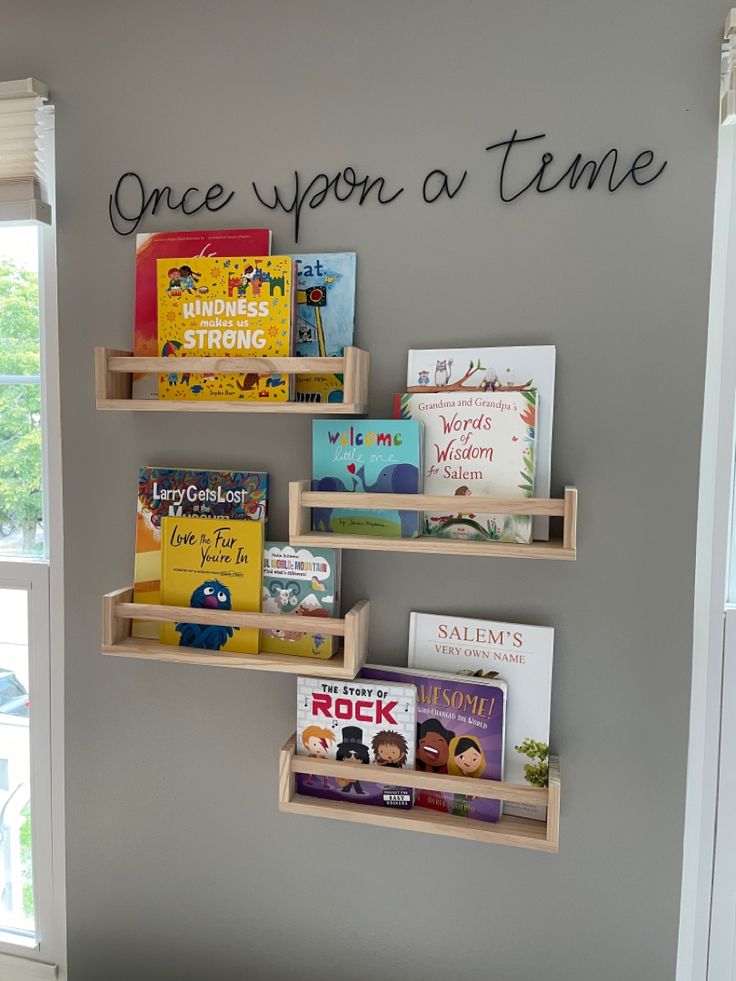
Books make wonderful decorations because they combine beauty with purpose.
Display a small collection on floating shelves, inside a front-facing bookshelf, or on a bedside table.
Rotate the collection every few weeks to keep reading exciting.
Children often choose books more frequently when the covers remain visible.
Open this next: 37 Viral Kids Room Decoration Ideas Every Parent is Saving
19. Keep Technology to a Minimum
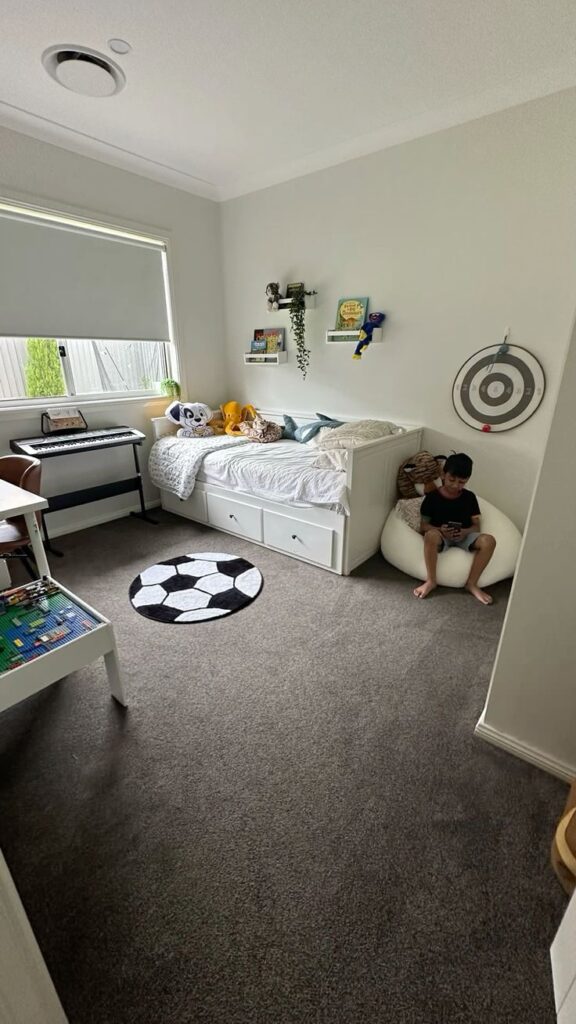
Not every child’s bedroom needs multiple electronic devices.
Limiting televisions, gaming systems, and extra screens helps create a calmer environment for sleeping and relaxing.
Instead, encourage books, puzzles, drawing supplies, or building toys.
A bedroom with fewer distractions can make it easier to create a calm bedtime routine. Simple spaces also leave more room for books, puzzles, drawing supplies, and building toys.
Simple rooms naturally encourage children to use their imagination.
20. Add Soft Lighting
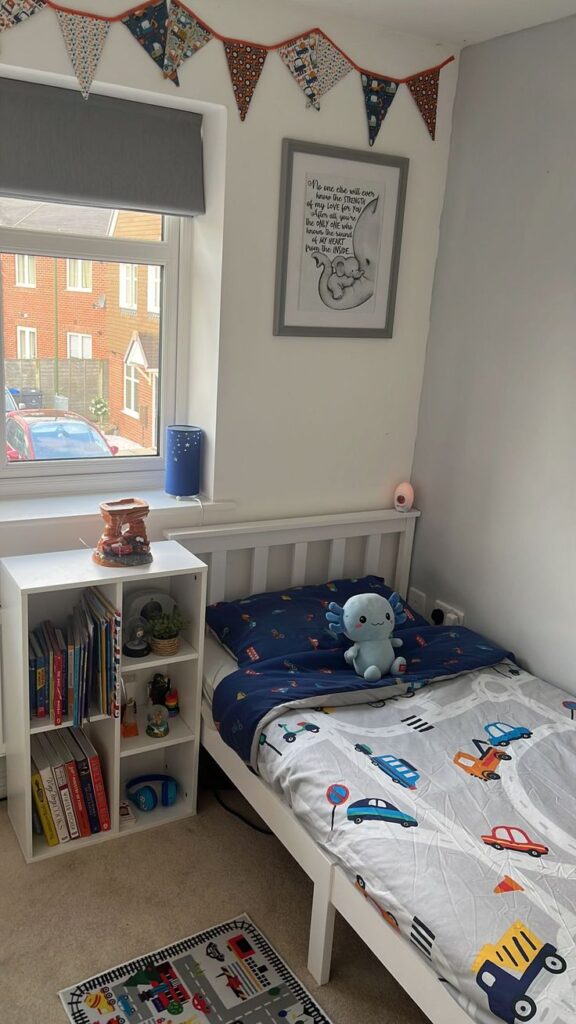
Lighting changes the feeling of a room more than many people realize.
Use warm bedside lamps, soft wall lights, or gentle fairy lights instead of harsh overhead lighting alone.
Soft lighting creates a relaxing atmosphere during bedtime routines.
Children often feel more comfortable reading or winding down before sleep in gentle light.
Choose fixtures with simple designs that match the rest of the room.
21. Keep Wall Art Meaningful

Minimalist decorating does not mean empty walls.
Instead, choose artwork that reflects your child’s interests without covering every available space.
One large framed print often creates more impact than several smaller pictures.
You can also display your child’s favorite drawing inside a simple frame.
That personal touch makes the room feel special while keeping the overall design uncluttered.
Save for later: Toy Storage Ideas That Make Cleanup Easier for Kids
22. Rotate Decorations With the Seasons
Children enjoy seeing their bedrooms change throughout the year.
Instead of buying permanent decorations for every holiday, rotate a few simple items each season.
A lightweight blanket, one seasonal pillow, or a small decoration adds excitement without filling the room with extra clutter.
When the season ends, store everything neatly until next year.
This keeps the bedroom feeling fresh while preserving the clean style of minimalist kids room designs.
23. Choose Timeless Furniture

Children grow quickly, so choose furniture that works for many years instead of only one stage.
A simple wooden bed, a sturdy dresser, and a classic bookshelf continue to look beautiful as your child gets older.
Neutral furniture also makes future room updates much easier.
Instead of replacing large pieces, you can refresh the space with new bedding, artwork, or decorative accessories.
That approach saves money while keeping the bedroom stylish for years.
24. Keep Toys Inside Closed Cabinets
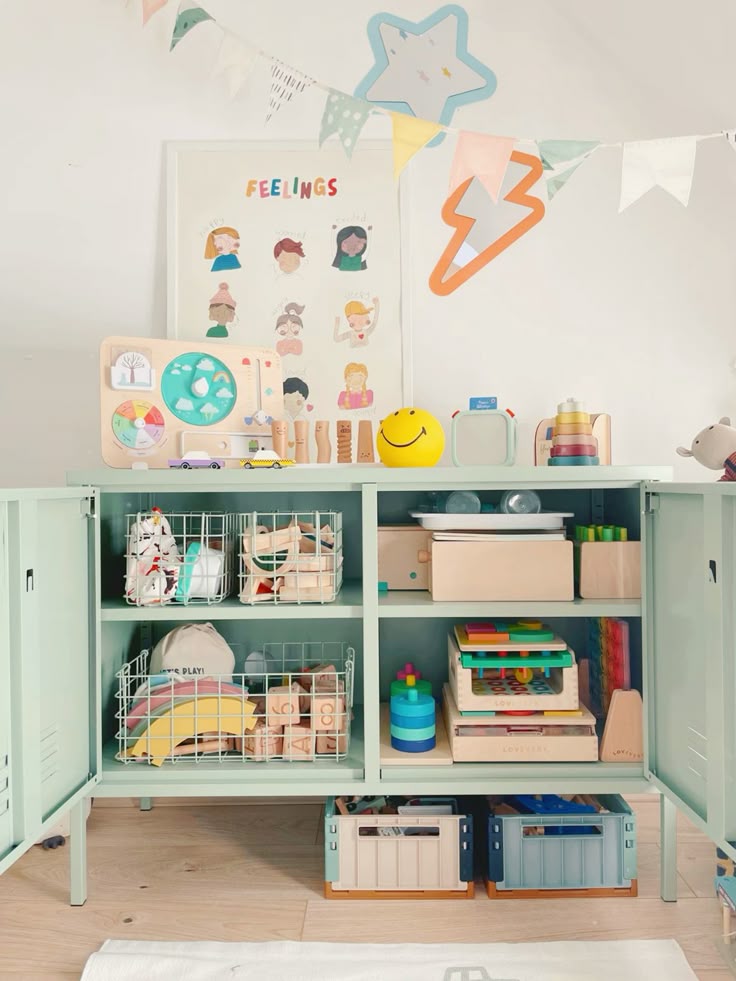
Not every toy needs to stay on display.
Closed cabinets help hide visual clutter while keeping favorite toys easy to reach.
Choose low cabinets that children can open without assistance.
They encourage independence while helping the room stay organized throughout the day.
When toys disappear behind simple cabinet doors, the entire bedroom immediately feels calmer.
Bookmark this: 41 Cozy Reading Nook Ideas Every Book-Loving Child Will Adore
25. Use Matching Storage Boxes
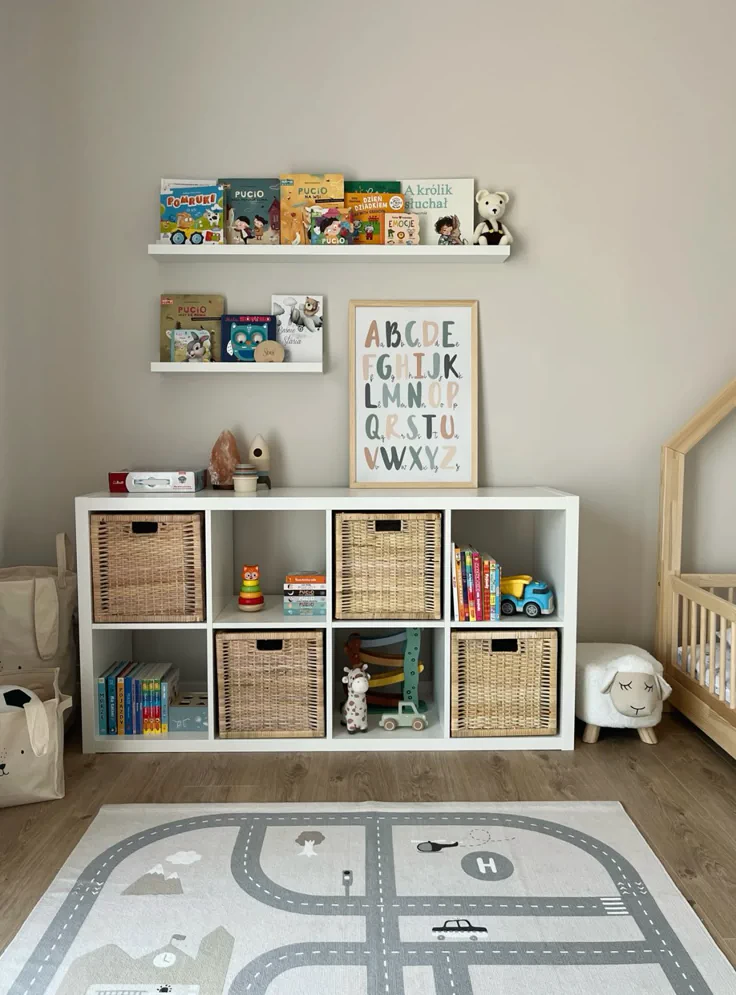
Storage boxes create order almost instantly.
Choose containers in similar colors, materials, or styles to create a clean appearance throughout the room.
Store puzzles together.
Keep craft supplies in another box.
Organize building toys inside a third container.
Matching storage helps children recognize where everything belongs while making cleanup much faster.
26. Create a Calm Bedside Table
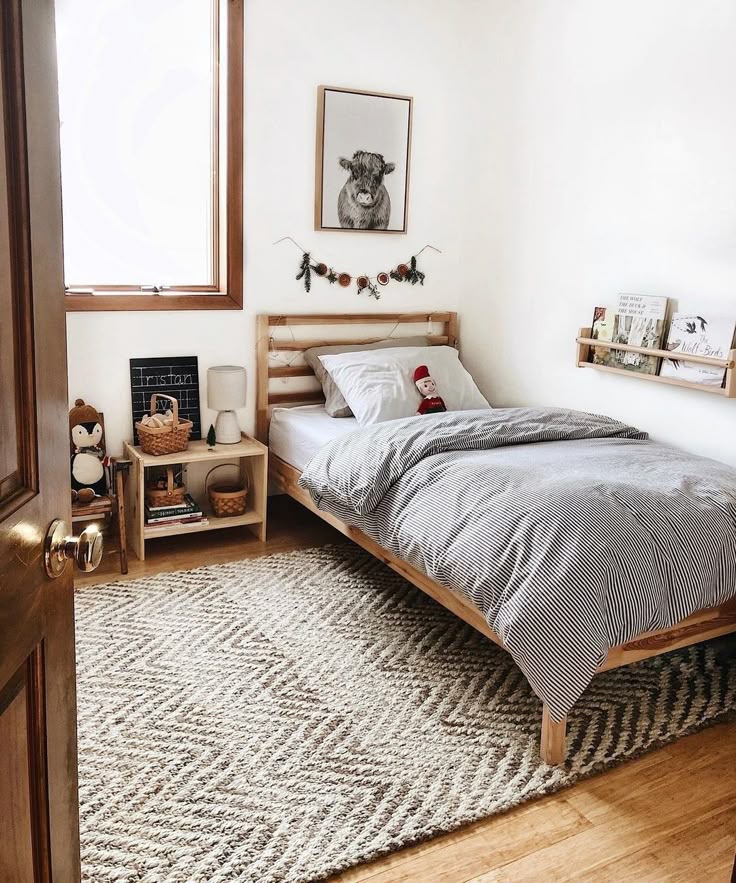
A bedside table does not need to hold many things.
A small lamp, one favorite book, a water bottle, and perhaps a tiny decoration usually provide everything your child needs.
Avoid stacking random toys, papers, or clothing beside the bed.
Keeping this area simple helps the bedroom feel peaceful every evening.
Small changes often create the biggest difference in minimalist kids room designs.
27. Display Children’s Artwork Selectively

Children love seeing their artwork displayed.
Instead of covering every wall, create one special gallery area.
Frame a few favorite drawings or hang recent artwork using simple clips.
Rotate new creations regularly.
This approach celebrates creativity without overwhelming the room.
It also makes each piece feel much more meaningful.
If your child enjoys creative projects, 20 DIY Squishy Crafts for Sleepovers Kids Will Love offers another fun activity to inspire handmade creations.
28. Make Cleanup Easy
Children clean more willingly when storage feels simple.
Keep baskets, shelves, and storage bins within easy reach.
Avoid complicated systems that require too many steps.
When everything has a clear home, children can tidy their rooms in only a few minutes.
Simple organization encourages good habits that continue as they grow older.
29. Add One Fun Accent Wall
Minimalist rooms can still include playful personality.
Instead of decorating every wall, choose one accent wall using wallpaper, painted arches, or simple decals.
Keeping the remaining walls neutral prevents the room from feeling busy.
One feature wall often creates enough visual interest without distracting from the peaceful atmosphere.
This balance keeps the bedroom fun while maintaining its clean style.
30. Choose Simple Window Treatments
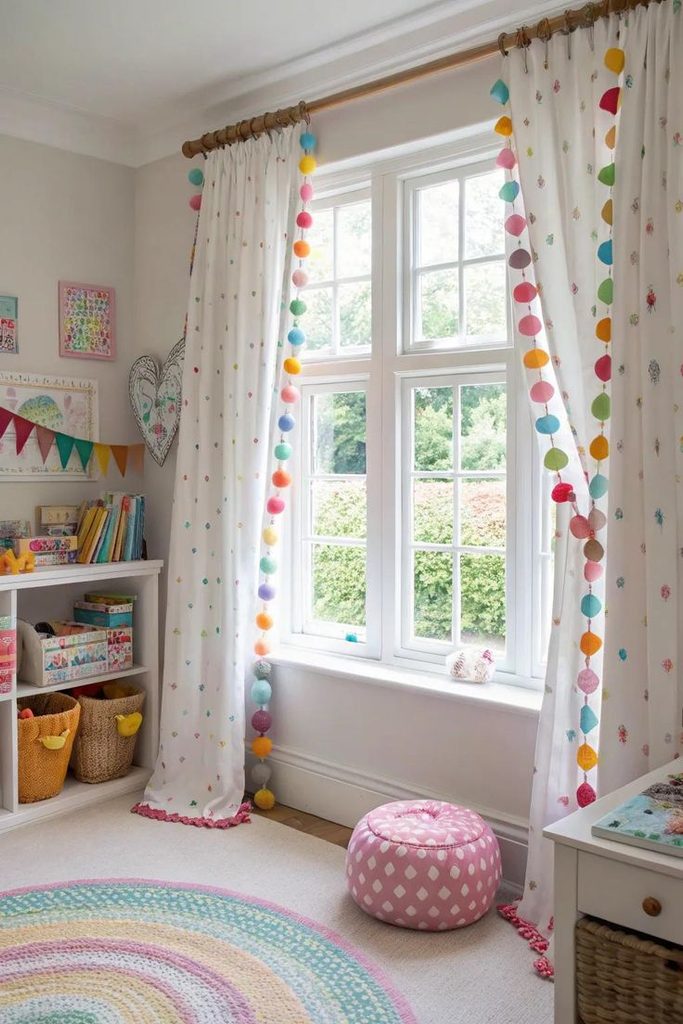
Window coverings should complement the room instead of dominating it.
Choose linen curtains, cotton drapes, or simple roller blinds in soft neutral shades.
Heavy patterns sometimes make smaller bedrooms feel crowded.
Light fabrics allow sunshine to brighten the space during the day while creating a soft, cozy feeling.
Simple windows help the room feel open and inviting.
31. Keep Only Age-Appropriate Items
Children outgrow toys, books, and furniture faster than most families expect.
Every few months, look through the room together.
Remove broken toys, outgrown games, and items your child no longer enjoys.
Keeping only age-appropriate belongings naturally reduces clutter.
It also makes the bedroom easier to organize throughout the year.
If you’re updating a younger child’s room, 23 Shared Nursery Ideas offers beautiful inspiration for creating flexible spaces.
32. Leave Some Empty Space
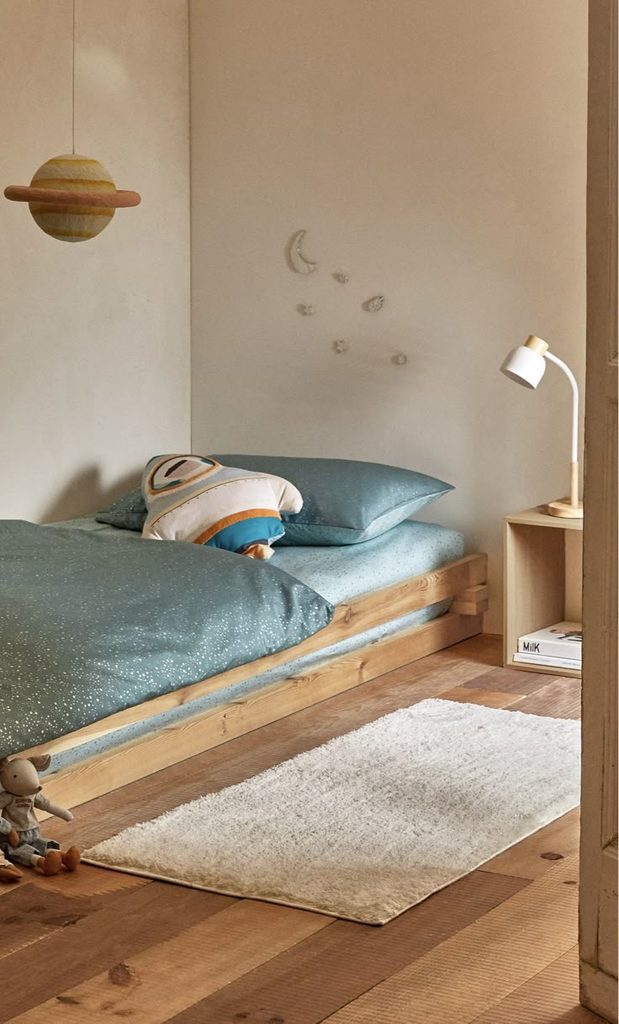
One of the biggest secrets behind beautiful minimalist kids room designs is knowing when to stop decorating.
Not every shelf needs accessories.
Not every corner needs furniture.
Empty space helps highlight the pieces that truly matter.
It also makes the room feel brighter, calmer, and much larger.
Leaving space around furniture creates balance while giving children more freedom to play.
Sometimes less really is more.
33. Design the Room Around Your Child
The best minimalist bedroom reflects your child’s personality instead of following every trend.
Think about what your child actually enjoys.
Do they love reading?
Building?
Drawing?
Pretend play?
Design the room around those activities instead of filling it with unnecessary decorations.
When every item serves a purpose, children enjoy the space more and naturally help care for it.
A thoughtful bedroom always feels more welcoming than one filled with things that rarely get used.
If you’re planning another bedroom makeover, 21 Toy Story Bedroom Ideas offers creative inspiration that still feels organized and practical.
How Do You Keep a Minimalist Kids Room From Getting Cluttered Again?
A minimalist kids room can still become cluttered when new toys, clothes, books, and school supplies continue coming in. The easiest way to prevent this is to create simple limits that your child can understand.
Give frequently used items a permanent home. Keep everyday storage within reach, and avoid making cleanup depend on complicated organizing systems.
Every few months, look through toys, clothing, books, and craft supplies together. Remove broken items and set aside things your child has outgrown.
You can also rotate toys instead of keeping everything available at once. This gives the room more breathing space while keeping older toys interesting when they return.
What Should You Remove From a Minimalist Kids Room?
Start with items your child no longer uses. Broken toys, outgrown clothing, duplicate supplies, and decorations your child has stopped enjoying can quickly take over a bedroom.
Look at furniture too. If a piece takes up valuable floor space but rarely serves a purpose, consider replacing it with something more useful.
You do not need to remove everything at once. Choose one drawer, shelf, basket, or corner and work through it gradually.
The goal is to make the room easier to use, not to create an empty space.
Final Thoughts
Beautiful minimalist kids room designs are not about creating perfect bedrooms. They are about creating spaces where children feel comfortable, relaxed, and free to learn, play, and grow. By choosing practical furniture, simple colors, smart storage, and meaningful decorations, you can build a bedroom that feels peaceful without losing its personality.
Remember that minimalism looks different for every family. Some children need more books, while others need extra art supplies or building toys. The goal is not to remove everything. Instead, focus on keeping what your child truly uses and loves.
Start with one small change today. Clear one shelf, organize one basket, or remove items your child has outgrown. Those simple improvements quickly add up, making the entire room feel brighter and easier to maintain.
With thoughtful planning and these minimalist kids room designs, you can create a space that stays clutter-free, supports your child’s creativity, and grows beautifully alongside them for many years.