Some links on this blog may contain affiliate links. If you make a purchase through one of these links, I may earn a small commission at no extra cost to you. Thank you for supporting Enchanted Kids Moment!
One thing I have noticed after spending time with children over the years is that no two age groups play the same way. I have watched toddlers spend twenty minutes happily stacking cups or filling and emptying containers, completely fascinated by the simplest activities. Meanwhile, older children lose interest almost immediately because they are ready to build, create, explore, and solve bigger challenges. Those moments taught me that choosing the right activities is never about keeping children busy. It is about understanding where they are in their development.
That is why age-appropriate activities matter so much. Every stage of childhood brings new skills, growing confidence, and different ways of learning. When children take part in activities that match their age and abilities, they stay engaged longer, develop naturally, and enjoy the experience instead of feeling frustrated.
The best part is that meaningful play does not have to be complicated. Some of the happiest childhood memories begin with simple activities that encourage creativity, curiosity, and laughter. Whether your child enjoys arts and crafts, outdoor adventures, sensory play, or imaginative games, the right activity can make learning feel effortless while creating special moments together.
In this guide, you’ll discover how children’s interests change from toddlers to tweens, why every stage benefits from different types of play, and plenty of age-appropriate ideas that help children learn, build confidence, and have fun. No matter where your child is on their journey, you’ll find activities that encourage them to grow through play.
Why Age-Appropriate Activities Matter

Every child learns differently, but one thing remains true across every stage of childhood. Children enjoy learning most when activities match their abilities. That is exactly why age-appropriate activities play such an important role in healthy development. They encourage children to explore without feeling overwhelmed while helping them gain confidence through every new experience.
When an activity feels too difficult, children often become frustrated and lose interest. On the other hand, activities that feel too easy rarely hold their attention for long. The right balance keeps children curious, motivated, and eager to discover what they can do next. Choosing age-appropriate activities allows children to experience success while gently introducing new challenges at the perfect pace.
Parents sometimes believe they need expensive toys or elaborate learning programs to help children grow. In reality, many of the best age-appropriate activities use everyday materials you already have at home. Building with blocks, creating simple crafts, exploring nature, painting with washable colors, or pretending to run a grocery store all help children develop valuable skills while having fun.
These activities also strengthen much more than creativity. They improve language, build problem-solving skills, encourage teamwork, and develop both fine and gross motor coordination. Every activity becomes another opportunity to practice patience, independence, and confidence.
Perhaps most importantly, age appropriate activities encourage meaningful family connections. Sitting together to complete a craft, reading a favorite story, or building a blanket fort creates conversations that children remember for years. Those simple moments often become treasured memories that last far longer than expensive toys ever will. If you enjoy creating experiences like these, you’ll love The Ultimate Guide to Creating Meaningful Childhood Memories With Kids, which shares even more ways to make everyday moments unforgettable.
Benefits of Choosing Age-Appropriate Activities
Selecting age-appropriate activities benefits children in ways that reach far beyond entertainment. Every carefully chosen activity supports learning while helping children develop emotionally, socially, and physically.
Children Build Confidence Naturally
Children love accomplishing something on their own. Completing a puzzle, painting a picture, or building a simple tower gives them a sense of achievement that encourages them to keep trying new things.
When activities match their abilities, success feels attainable. That confidence gradually carries into school, friendships, and everyday life.
Learning Feels Like Play
The best age-appropriate activities never feel like lessons. Children learn while laughing, creating, experimenting, and asking questions.
Painting introduces colors.
Building develops engineering skills.
Pretend play encourages communication.
Nature walks inspire curiosity.
That is why simple play often teaches more than worksheets ever could.
If your child enjoys creative projects, The Complete Guide to Summer Kids Crafts Activities for Creative and Curious Kids offers dozens of ideas that combine learning with hands-on fun.
Motor Skills Improve Every Day
Many age-appropriate activities strengthen muscles children use throughout daily life.
Simple examples include:
threading beads
cutting paper
painting with brushes
stacking blocks
squeezing play dough
pouring water
drawing shapes
These activities improve hand control while preparing children for writing, dressing themselves, and many other everyday tasks.
Toddlers especially enjoy creative projects like 35 Easy Painting Ideas for Toddlers That Don’t Create Huge Messes, where every activity supports developing coordination without creating unnecessary stress for parents.
Creativity Continues Growing
Children naturally imagine stories, invent characters, and transform ordinary objects into exciting adventures.
The right age-appropriate activities encourage that creativity instead of limiting it.
One child may turn cardboard into a rocket.
Another may create an underwater world filled with colorful fish.
Others might enjoy making simple projects like Fun and Easy Paper Plate Sun and Moon Crafts Kids Can Make Using Everyday Supplies, where imagination becomes part of every step.
Families Spend More Quality Time Together
Some of the happiest family memories happen during ordinary afternoons.
Parents paint alongside their children.
Families build puzzles together.
Siblings invent games outdoors.
Grandparents help with crafts.
Those moments strengthen relationships while encouraging conversation and laughter.
Planning a weekly activity night becomes even easier after reading 31 Cozy Family Movie Night Ideas Kids and Parents Will Absolutely Love, which offers more opportunities to enjoy time together.
How to Choose the Right Age Appropriate Activities
Finding the right age-appropriate activities becomes much easier when you stop focusing only on age and begin paying attention to your child’s interests.
Every child develops differently.
Some enjoy quiet art projects.
Others prefer active outdoor adventures.
Many love building, pretending, or sensory play.
Instead of asking, “What should my six-year-old be doing?”, try asking:
“What does my child naturally enjoy?”
That simple question changes everything.
Here are a few things to consider before choosing activities.
Consider Your Child’s Interests
Children stay engaged much longer when activities match what already excites them.
Let the activity you choose reflect what your child naturally likes.
Think About Attention Span
Not every activity needs to last an hour.
Toddlers often stay focused for only a few minutes.
Older children usually enjoy longer projects that involve several steps.
Choosing shorter age-appropriate activities prevents frustration while keeping children excited for the next activity.
Use Materials You Already Have
Creative play does not require expensive supplies.
Paper plates.
Construction paper.
Washable paint.
Cardboard boxes.
Craft sticks.
Markers.
Natural materials.
Simple household items become wonderful learning tools with a little imagination.
Parents looking for even more inspiration can explore Easy Summer Crafts Kids Can Make in 10 Minutes for quick projects that fit busy days.
Encourage Independence
The best age appropriate activities allow children to complete as much as possible on their own.
Offer guidance when needed.
Celebrate effort instead of perfection.
Allow mistakes.
Every small success encourages children to become more confident the next time they try something new.
Age-Appropriate Activities for Babies (0–12 Months)
Babies learn through their senses long before they begin speaking.
During the first year, age-appropriate activities focus on exploration rather than finished projects.
Tummy Time Adventures
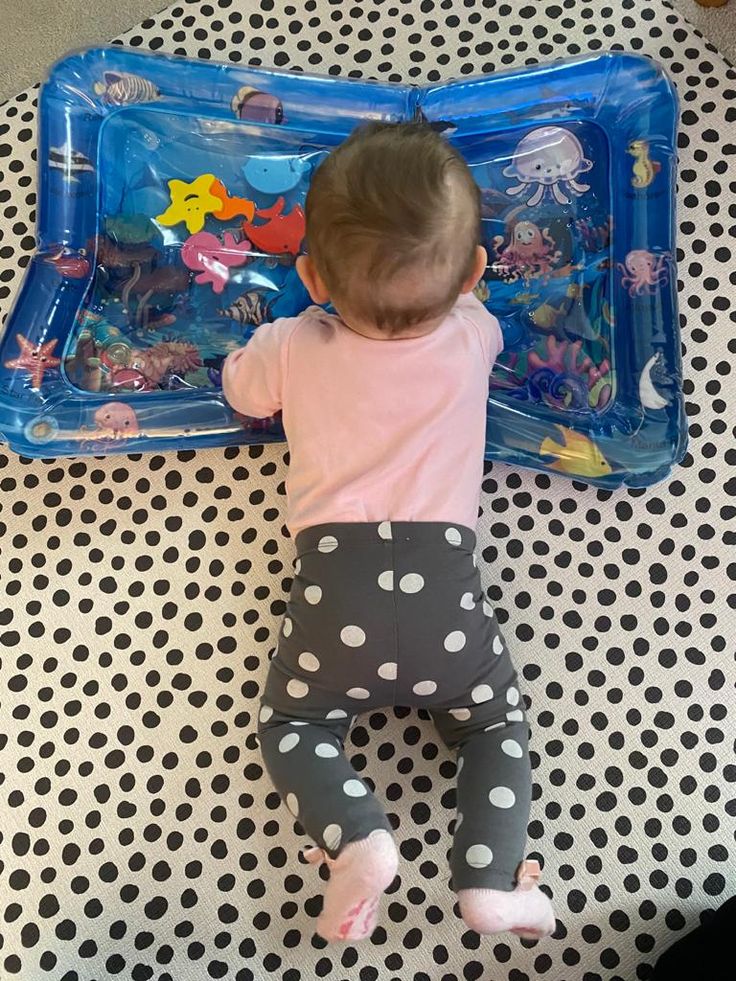
Lay colorful toys just beyond your baby’s reach during tummy time.
They will stretch, roll, and strengthen important muscles while exploring their surroundings.
Sensory Basket Exploration
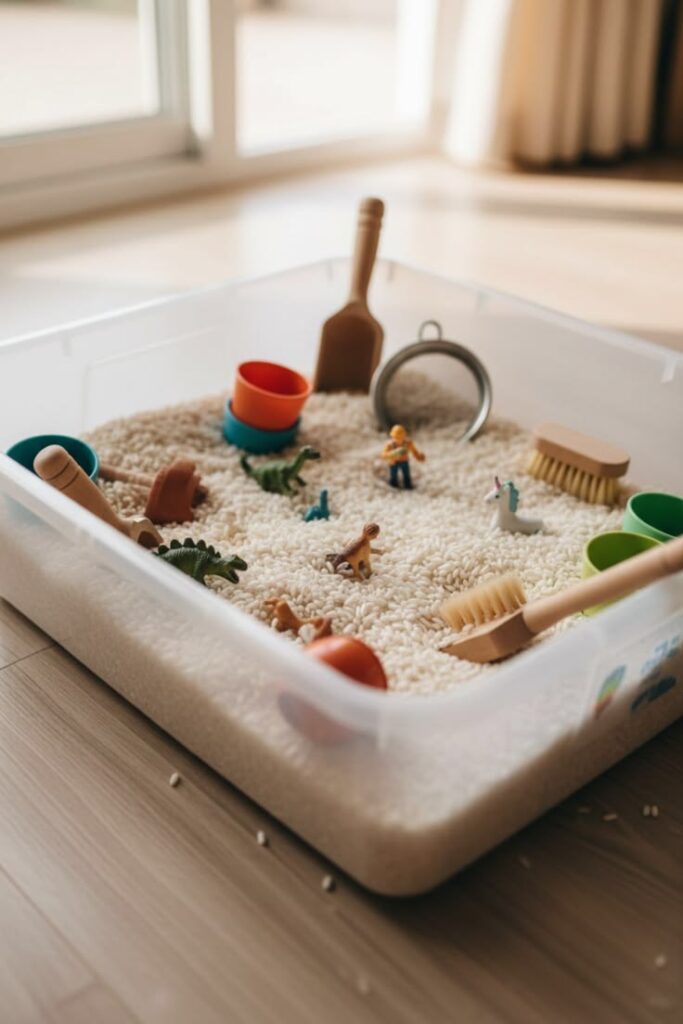
Fill a small basket with safe textured objects like silicone teethers, soft fabric squares, wooden rings, and crinkly toys.
Allow babies to touch, squeeze, and explore each item at their own pace.
Nursery Story Time
Reading aloud every day builds language skills surprisingly early.
Picture books with bright illustrations quickly become favorites.
Creating a cozy reading space becomes even more inviting after exploring The Ultimate Guide to Creating a Cozy Reading Nook for Kids.
Music and Movement
Sing nursery rhymes.
Clap together.
Dance gently while holding your baby.
Simple movement encourages bonding while introducing rhythm and language.
Baby Memory Activities

Take monthly milestone photos.
Create handprint keepsakes.
Save tiny memories inside a keepsake box.
Age-Appropriate Activities for Toddlers (1–3 Years)
Toddlers wake up every day ready to explore. They want to touch everything, climb everywhere, and discover how the world works. The best age-appropriate activities for this stage encourage movement, creativity, and curiosity while remaining simple enough for little hands to enjoy.
Instead of expecting perfect results, focus on letting toddlers experiment. Every scribble, splash of paint, or tower that falls teaches something valuable.
Sensory Bin Adventures
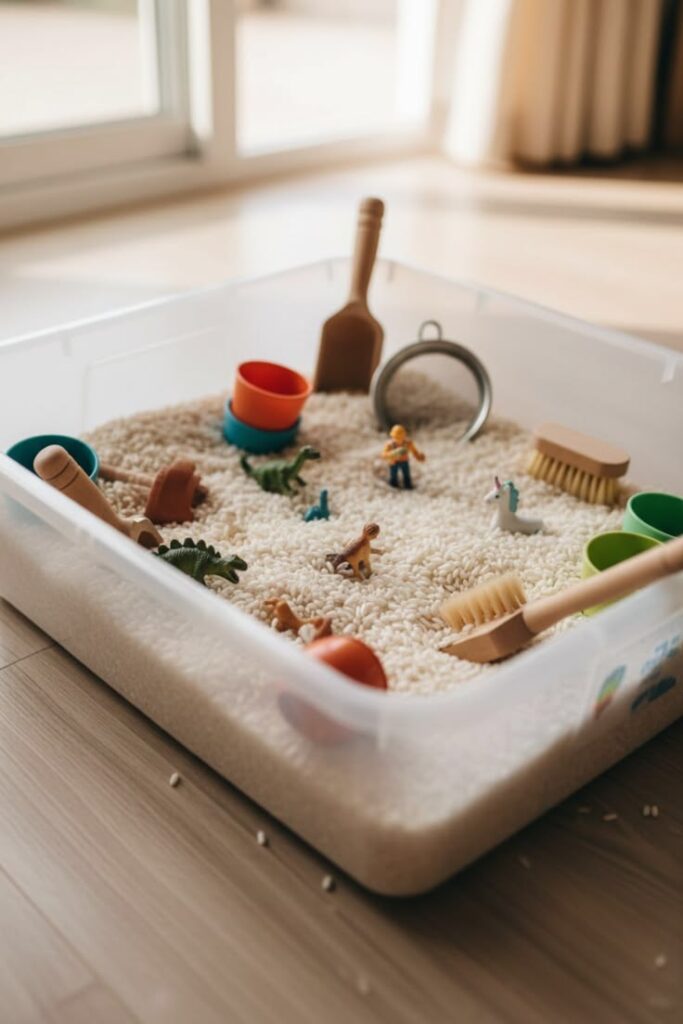
Sensory bins remain one of the best age-appropriate activities for toddlers because they encourage hands-on exploration.
Fill a plastic container with items such as:
Colored rice
Dried pasta
Pom-poms
Plastic animals
Large scoops
Measuring cups
Toddlers love pouring, sorting, filling, and emptying containers. These simple actions strengthen fine motor skills while introducing early math concepts like size, quantity, and comparison.
During summer, you can also create water-based sensory experiences by following How to Set Up a Fun Backyard Water Play Station With Kids, where toddlers safely explore pouring, splashing, and floating objects outdoors.
Finger Painting Without the Stress
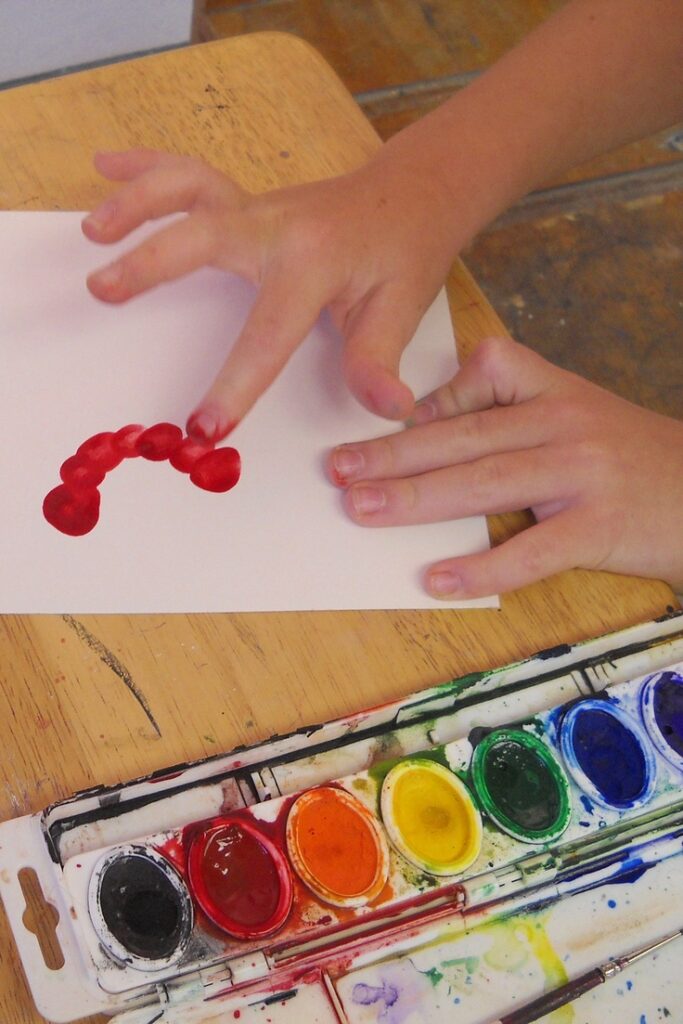
Painting introduces toddlers to colors, textures, and creativity.
Instead of worrying about the mess, use washable paints, oversized paper, and old shirts.
Allow children to:
Mix colors
Make handprints
Stamp with sponges
Roll toy cars through paint
Nature Treasure Hunts
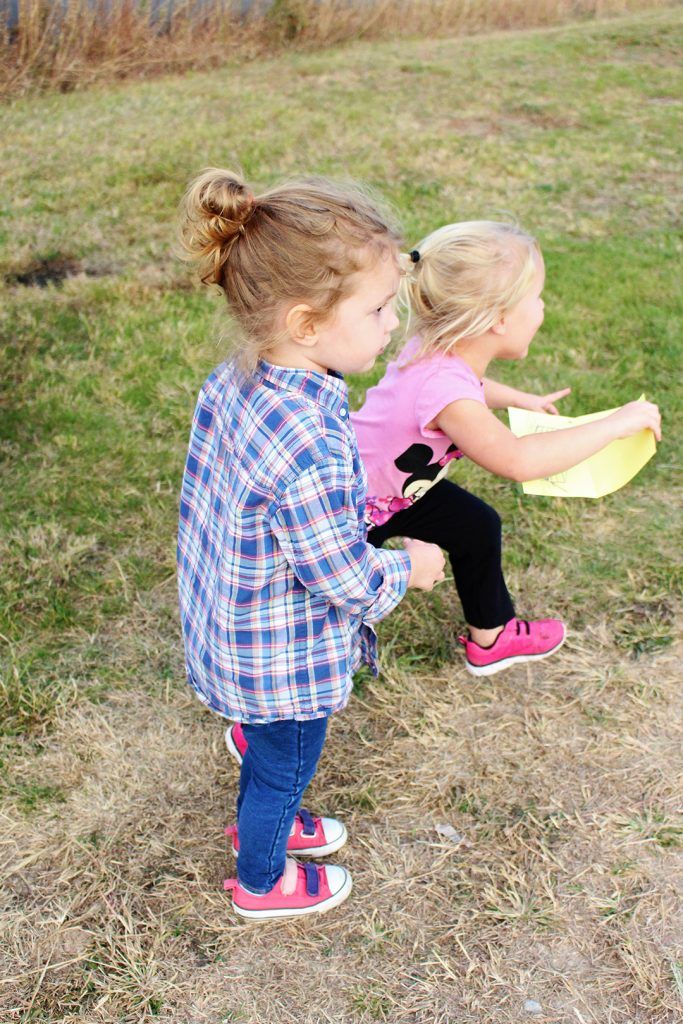
Toddlers notice everything outside.
Turn a short walk into one of the easiest age-appropriate activities by asking children to collect:
Leaves
Pinecones
Flowers
Small sticks
Interesting rocks
When you return home, children can sort their treasures, create simple collages, or compare different shapes and colors.
Music and Dance Time
Few toddlers can resist music.
Play favorite songs and encourage children to:
Dance freely
Freeze when the music stops
Clap to the rhythm
March around the room
Pretend to be different animals
Movement improves coordination while helping children release energy in a positive way.
Easy Craft Time
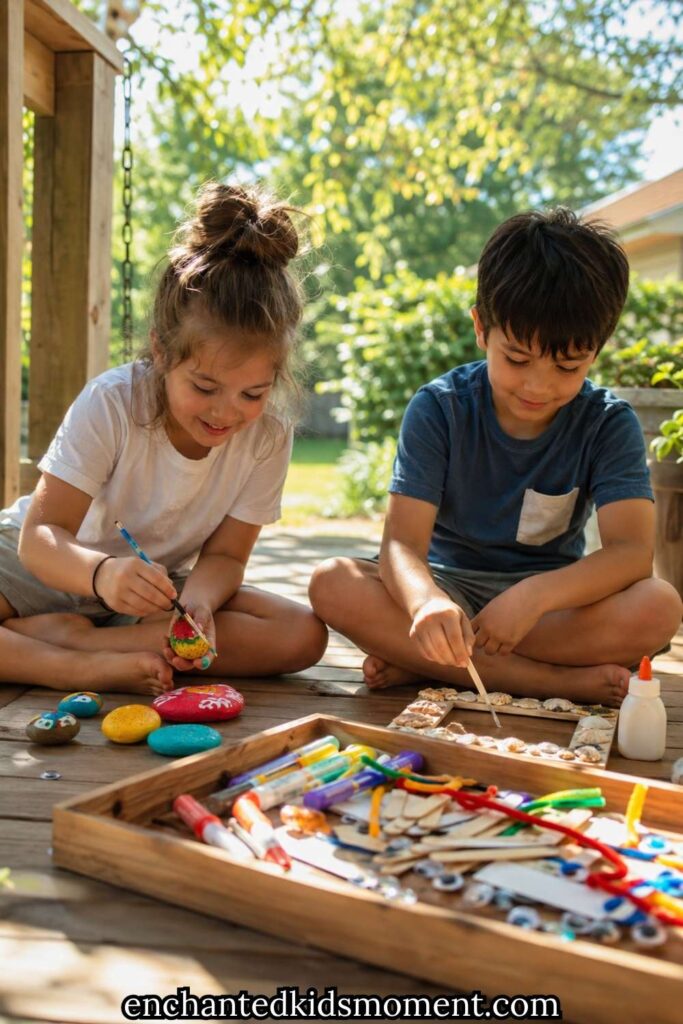
Toddlers enjoy creating even when projects look wonderfully imperfect.
Offer large crayons, chunky markers, stickers, glue sticks, and construction paper.
Simple projects like How to Do Father’s Day Crafts With Toddlers (Mess-Free Methods) prove that toddlers can create meaningful keepsakes without becoming overwhelmed.
Pretend Play
Imagination begins growing rapidly during the toddler years.
Create simple pretend play areas such as:
Grocery store
Kitchen
Doctor’s office
Farm
Construction site
Children develop language skills while practicing everyday situations through play.
Building and Stacking
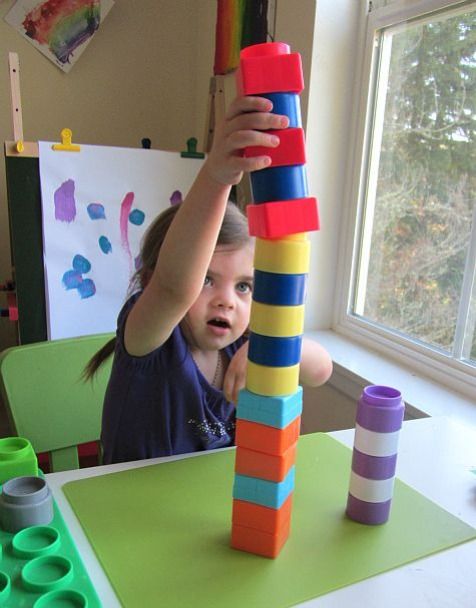
Large blocks remain classic age-appropriate activities because they develop:
Balance
Hand-eye coordination
Problem-solving
Patience
Creativity
Instead of showing toddlers exactly what to build, let them experiment freely.
Watching towers fall often becomes just as exciting as building them.
Age Appropriate Activities for Preschoolers (3–5 Years)
Preschoolers begin asking endless questions.
Why?
How?
What happens if…?
That natural curiosity makes this one of the most exciting stages for introducing new age-appropriate activities.
Children become more independent while enjoying projects that involve several steps.
Storytelling Crafts
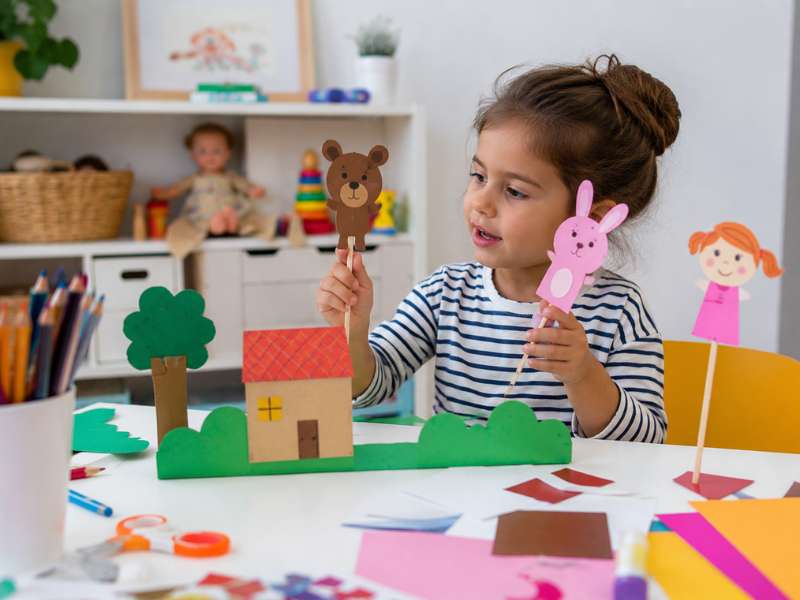
Invite children to create characters before inventing stories about them.
They might make:
Paper animals
Puppets
Superheroes
Friendly monsters
After finishing, encourage them to act out their own adventures.
Creative projects like 19 Unicorn Paper Crafts Kids Can Make in 30 Minutes combine crafting with imaginative storytelling.
Ocean Exploration Crafts
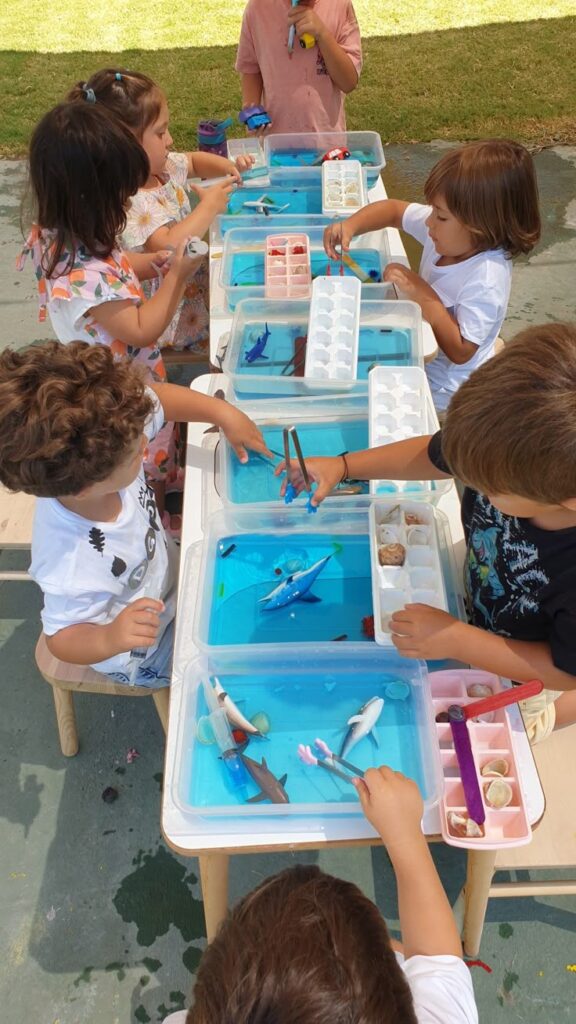
Many preschoolers become fascinated with sea creatures.
Turn that curiosity into exciting age-appropriate activities by making:
Sea turtles
Sharks
Fish
Jellyfish
Crabs
Children especially enjoy creating projects from:
These activities also create opportunities to discuss oceans, habitats, and marine life.
Building Challenges
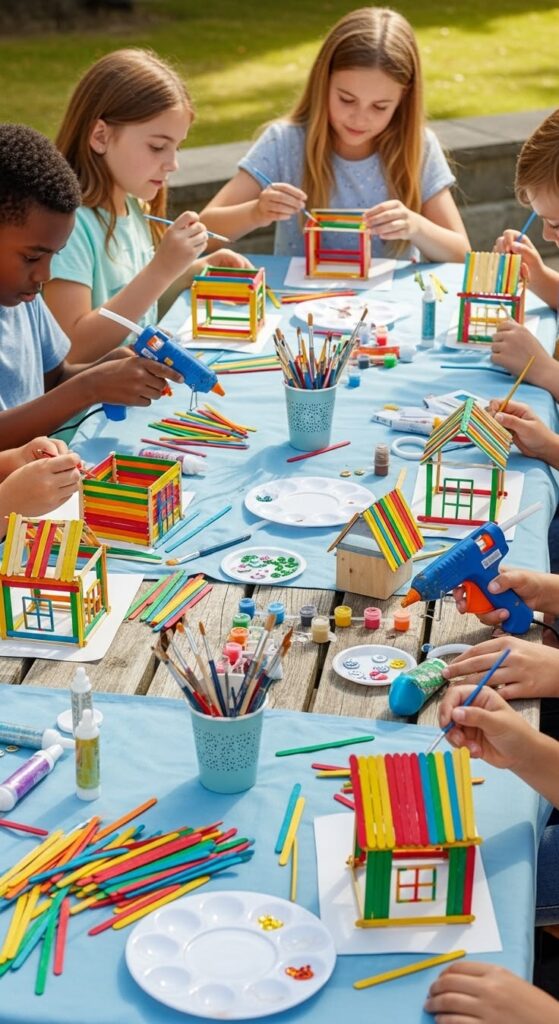
Instead of simply handing children blocks, give them fun challenges.
Ask them to build:
The tallest tower
A bridge
A zoo
A castle
A rocket
These age-appropriate activities strengthen problem-solving while encouraging children to think creatively.
Minecraft fans may also enjoy creating projects inspired by 31 Minecraft Paper Craft Ideas Kids Will Want to Make Immediately.
Outdoor Discovery
Preschoolers learn best when they move.
Simple outdoor age-appropriate activities include:
- Obstacle courses
- Nature scavenger hunts
- Bubble races
- Sidewalk chalk games
- Garden watering
- Bug watching
Fresh air naturally encourages curiosity and active learning.
Beginner Science Experiments
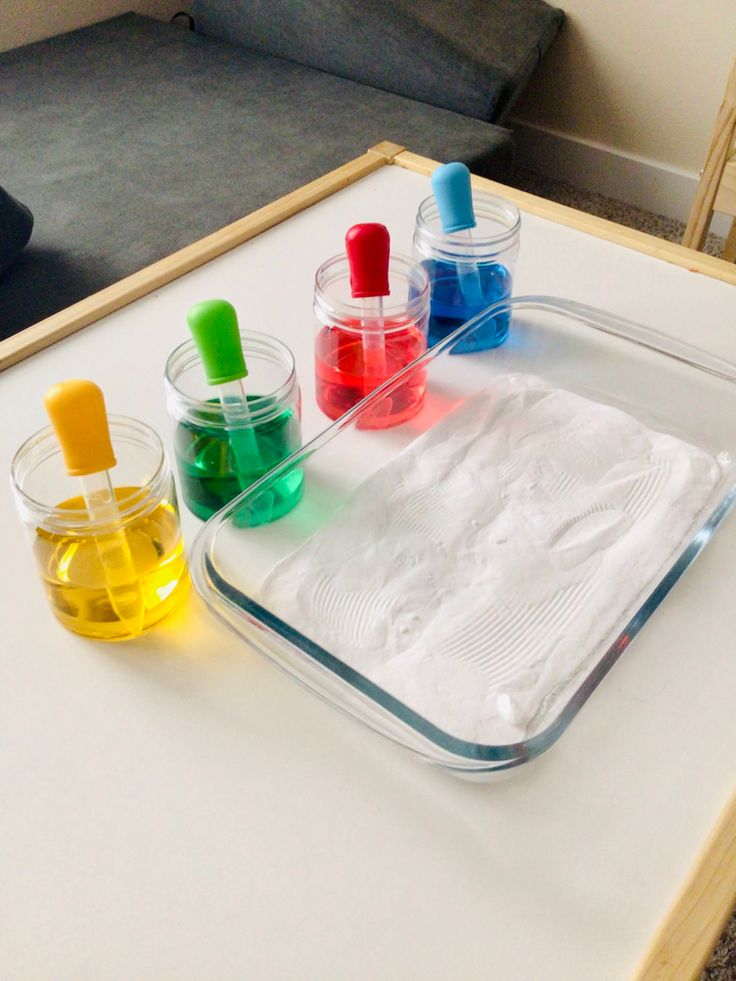
Children love discovering how things work.
Try simple experiments such as:
Baking soda volcanoes
Floating and sinking
Color mixing
Growing beans in clear cups
Ice melting challenges
Science becomes much less intimidating when children experience it through play.
Creative Summer Crafts
Seasonal projects keep preschoolers excited throughout the year.
During warmer months, families often enjoy creating projects from Easy Summer Crafts Kids Can Make in 10 Minutes, where children can complete colorful activities without losing focus.
Dress-Up and Role Play
Children develop empathy while pretending to become different people.
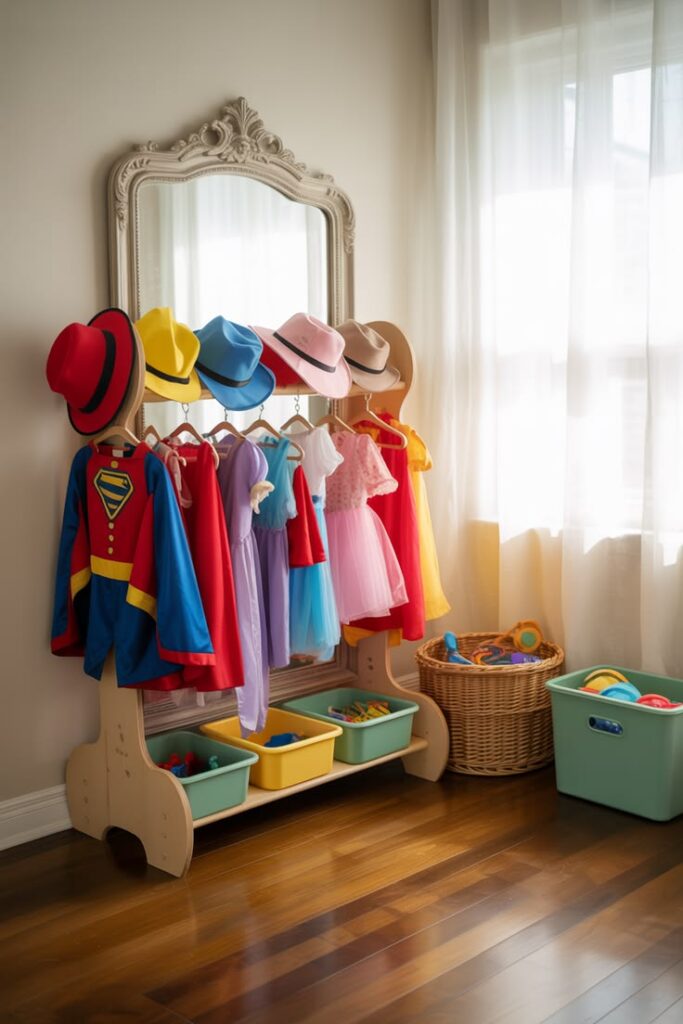
Create dress-up boxes filled with:
Hats
Old shirts
Capes
Scarves
Toy tools
Play food
Pretending to become firefighters, veterinarians, chefs, astronauts, or teachers encourages communication and social skills.
If your child loves imaginative worlds, 25 Fun Bluey Crafts Kids Will Be Excited to Make provides creative ways to extend pretend play beyond the television screen.
Family Art Projects

Preschoolers enjoy creating alongside parents.
Try working together on:
Handprint canvases
Family murals
Painted flower pots
Homemade greeting cards
Seasonal decorations
Simple Party Planning Activities
Many preschoolers love helping prepare for birthdays.
Invite them to:
Choose decorations
Make banners
Paint party signs
Inflate balloons with help
Arrange table decorations
Preschoolers thrive when age appropriate activities balance creativity, movement, exploration, and independence. Every painting, pretend adventure, and outdoor discovery strengthens important developmental skills while creating memories families will treasure for years.
Age Appropriate Activities for Children (6–8 Years)
Children between six and eight years old become much more independent. They enjoy learning new skills, solving problems, and creating projects they can proudly show others. The best age appropriate activities for this stage encourage creativity while introducing challenges that keep children thinking and experimenting.
This is also the age when many children discover hobbies that stay with them for years.
Build Bigger Craft Projects
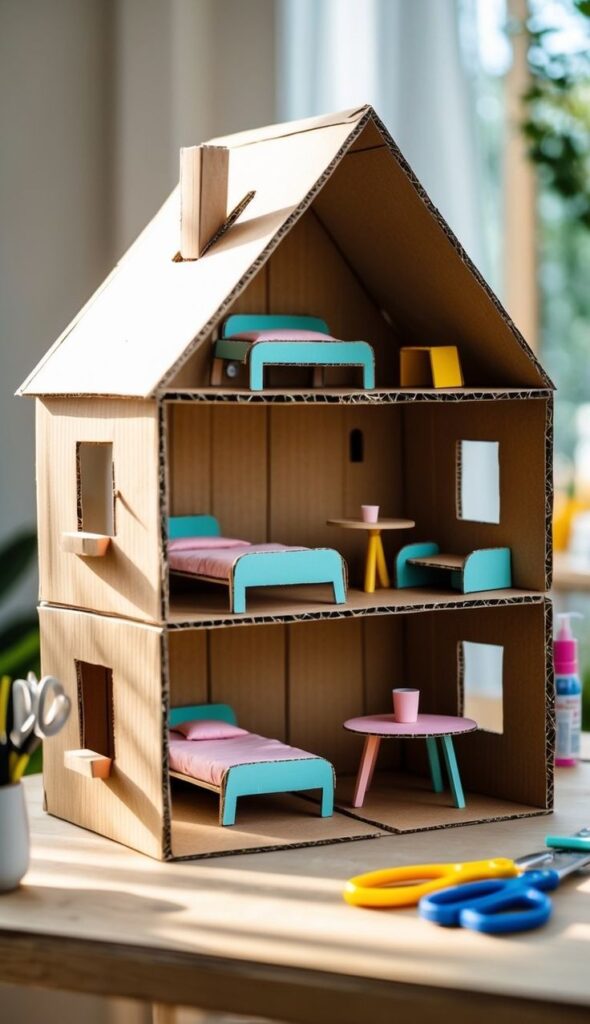
Children at this age usually have the patience to complete projects with several steps.
Encourage them to create:
Paper models
Bird feeders
Cardboard cities
Treasure boxes
Wall decorations
Seasonal crafts
Instead of completing the project for them, ask questions that encourage independent thinking.
“What could you add next?”
“How could you make it stronger?”
Those conversations develop problem-solving skills naturally.
Children who love building games will especially enjoy How to Create Epic Minecraft Birthday Decorations That Make Kids Feel Inside the Game, where imagination meets hands-on creativity.
Learn Through Cooking
Cooking remains one of the most rewarding age-appropriate activities because children practice several skills at once.

They learn to:
Read instructions
Measure ingredients
Count
Mix
Follow directions
Practice patience
Simple recipes like fruit kebabs, homemade pizza, sandwiches, and trail mix work well for this age group.
Cooking also creates wonderful family conversations around the table.
Design Their Own Bedroom
Children begin developing their own personalities around this age.
Allow them to help decorate their room by:
Choosing colors
Displaying artwork
Organizing books
Rearranging furniture
Creating reading spaces
Giving children ownership encourages responsibility.
If you’re planning a room makeover, 33 Pinterest-Inspired Kids Room Decorating Ideas offers plenty of inspiration that children can help choose from.
Build Reading Habits
Reading becomes much more enjoyable when children have a comfortable place to relax.
Create one together using:
Floor cushions
Blankets
Fairy lights
Bookshelves
Soft rugs
Children love helping design their own reading corner.
For more inspiration, explore 41 Cozy Reading Nook Ideas Every Book-Loving Child Will Adore, which includes creative spaces children actually enjoy using.
STEM Building Challenges

Children love solving problems.
Introduce age appropriate activities like:
Bridge-building contests
Paper airplane competitions
Marble mazes
LEGO engineering
Balloon-powered cars
Instead of giving answers immediately, encourage children to experiment until they discover solutions.
That process develops resilience alongside critical thinking.
Ocean Exploration Projects
Many children remain fascinated by marine life.
Expand that curiosity through age appropriate activities like:
Building coral reef models
Creating ocean dioramas
Painting sea creatures
Learning about endangered animals
Encourage Journaling
Many children begin expressing themselves through writing around this age.
Encourage them to keep journals where they can:

Draw pictures
Record adventures
Write stories
Describe favorite activities
Set simple goals
There are no wrong answers.
The goal is simply encouraging self-expression.
Age Appropriate Activities for Older Kids (9–12 Years)
Older children begin searching for independence.
They enjoy creating things that feel more grown-up while exploring interests that reflect their personalities.
The best age-appropriate activities encourage responsibility, creativity, and confidence without making children feel like they’re completing schoolwork.
Advanced Art Projects
Older children usually enjoy spending longer on detailed projects.
Introduce activities like:
Canvas painting

Ceramic painting
Clay sculpting
Resin crafts
Watercolor landscapes
These projects encourage patience while allowing children to develop their own artistic style.
Creative children especially enjoy 23 Adorable Ceramic Mug Painting Ideas for Kids That Make the Sweetest Keepsakes, where every finished project becomes something they can actually use.
Bedroom Makeover Projects
Around this age, children love personalizing their space.

Invite them to:
Rearrange furniture
Build gallery walls
Display collections
Create homework stations
Organize bookshelves
Simple room updates help children feel proud of their space.
Families often combine these ideas with How to Design a Kids Bedroom That Balances Fun and Function to create rooms that continue growing alongside their children.
DIY Home Decorating
Older kids enjoy projects that become part of the home.
They might create:
Canvas artwork
Seasonal decorations
Painted flower pots
Decorative signs
Handmade gifts
Projects like these teach patience while encouraging attention to detail.
Organize Their Own Spaces
Responsibility becomes another important part of age appropriate activities during this stage.
Allow children to organize:
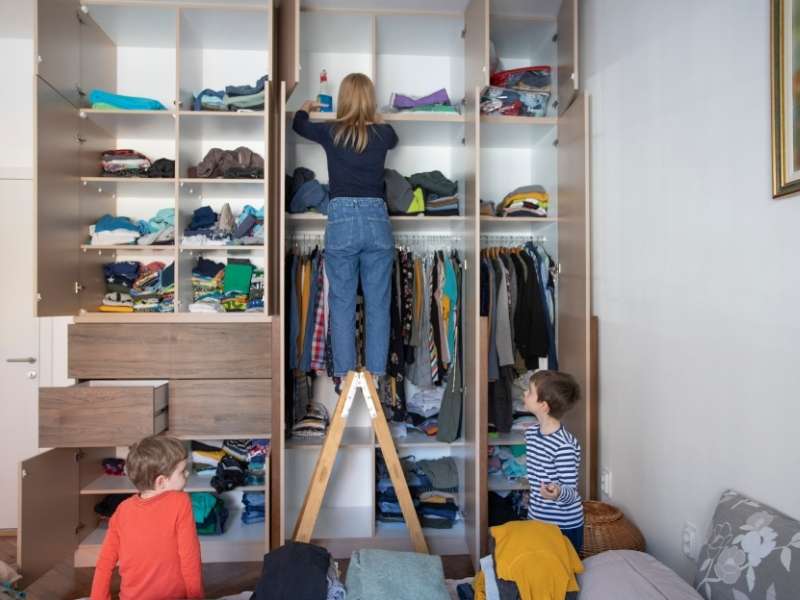
Toy collections
Craft supplies
School materials
Books
Clothing
Simple organization systems encourage independence while reducing daily stress.
Families looking for inspiration should explore Toy Storage Ideas That Make Cleanup Easier for Kids, where organization becomes much easier for everyone.
Plan Small Celebrations
Older children love taking responsibility.
Invite them to help plan:
- Birthday parties
- Family movie nights
- Holiday celebrations
- Backyard picnics
- Sleepovers
They can:
Choose decorations
Design invitations
Plan games
Arrange tables
Create party favors
If your child enjoys organizing celebrations, How to Plan a Budget-Friendly Kids Birthday Party Without Sacrificing Fun offers practical ideas they can help bring to life.
Outdoor Adventure Challenges
Children this age usually enjoy active age-appropriate activities that include adventure.
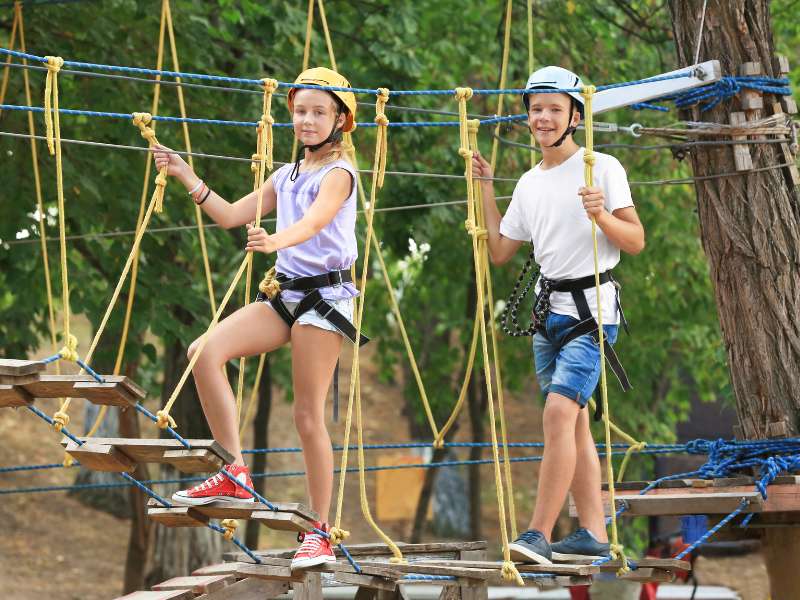
Ideas include:
Hiking
Orienteering
Nature photography
Geocaching
Backyard camping
Bicycle rides
These experiences encourage confidence while helping children appreciate nature.
Encourage Community Projects
Children begin understanding the importance of helping others.
Simple service projects include:
Baking for neighbors
Collecting food donations
Cleaning local parks
Planting flowers
Making greeting cards for nursing homes
These age-appropriate activities teach kindness, empathy, and responsibility while strengthening confidence.
Let Children Teach Others
One of the most valuable age-appropriate activities involves letting children become the teacher.

Ask them to show younger siblings how to:
Draw
Build
Bake
Organize toys
Read stories
Complete simple crafts
Teaching strengthens confidence because children reinforce what they already know while developing leadership skills.
By ages six through twelve, age-appropriate activities should continue growing alongside children’s interests instead of staying exactly the same. As their confidence increases, they naturally enjoy greater responsibility, more detailed projects, and opportunities to make their own decisions. Giving them those experiences prepares them for the teenage years while helping them discover new passions, strengthen important life skills, and build lasting confidence.
Common Mistakes Parents Make When Choosing Age Appropriate Activities
Even with the best intentions, parents sometimes choose activities that leave children feeling frustrated instead of excited. Fortunately, these mistakes are easy to avoid once you understand how children learn through play.
Expecting Every Child to Enjoy the Same Things
Every child has a unique personality.
Some children happily spend an hour painting.
Others would rather build forts outside or race toy cars across the garden.
Choosing age-appropriate activities begins with paying attention to your child’s interests instead of comparing them with siblings or friends.
Both children are learning valuable skills.
They simply learn differently.
Choosing Activities That Feel Too Difficult
Children quickly lose confidence when every activity feels impossible.
A complicated project with dozens of steps can discourage younger children before they even begin.
Instead, introduce age-appropriate activities that offer just enough challenge without becoming overwhelming.
As children master one skill, gradually introduce something more advanced.
Small successes encourage children to keep learning.
Scheduling Too Many Activities
Children also need free time.
Every afternoon does not need to include a structured lesson or organized craft.
Some of the best age-appropriate activities happen naturally when children have space to imagine, invent games, or explore outdoors on their own.
A healthy balance between planned activities and free play encourages creativity.
Focusing Only on Educational Activities
Learning happens everywhere.
Children develop important skills while baking cookies, decorating bedrooms, building pillow forts, or organizing toys.
Do not underestimate everyday experiences.
Simple family traditions often teach more than formal lessons.
For example, decorating together for holidays can become a wonderful learning experience with ideas from Everything You Need to Know Before Planning a Seasonal Birthday Party, where children help organize, decorate, and solve problems alongside adults.
Doing Everything for Your Child
Parents naturally want to help.
Sometimes we help too much.
Allow children to cut paper, solve problems, make mistakes, and try again.
Those experiences build resilience.
The best age-appropriate activities encourage independence instead of perfection.
Celebrate effort every time.
Confidence grows much faster that way.
Final Thoughts
Watching children grow reminds us that every stage of childhood brings something new to discover. One month they happily stack blocks across the living room, and before long they begin building elaborate creations, writing stories, decorating bedrooms, and planning their own adventures. Choosing age-appropriate activities simply means growing alongside them while encouraging their curiosity every step of the way.
The wonderful thing about childhood is that learning rarely feels like work. Every painting, nature walk, pretend game, science experiment, and family craft becomes another opportunity to build confidence while creating memories together. Those simple moments often become the stories children remember years later.
Most importantly, remember that there is no perfect activity for every child. The best age-appropriate activities are the ones that make your child smile, encourage them to explore, and leave them excited to try something new tomorrow. Start with their interests, follow their curiosity, and celebrate every small success along the way.
If you’re looking for even more inspiration after finishing this guide, you might enjoy exploring
Easy Rock Painting Ideas for Kids (No Experience Needed!)
20 DIY Squishy Crafts for Sleepovers Kids Will Love (Step-by-Step Guide)