Some links on this blog may contain affiliate links. If you make a purchase through one of these links, I may earn a small commission at no extra cost to you. Thank you for supporting Enchanted Kids Moment!
I once heard a father share something that has stayed with me ever since. He said he had discovered there were many ways to bond with his children without spending a lot of money or taking them somewhere special. While family trips and fun days out are wonderful, he realized that what his children wanted most was simply his time and attention.
That simple thought changed the way I looked at family activities. Children do not always remember where they went or how much something cost. They remember laughing together, telling stories, building forts, and feeling close to the people they love.
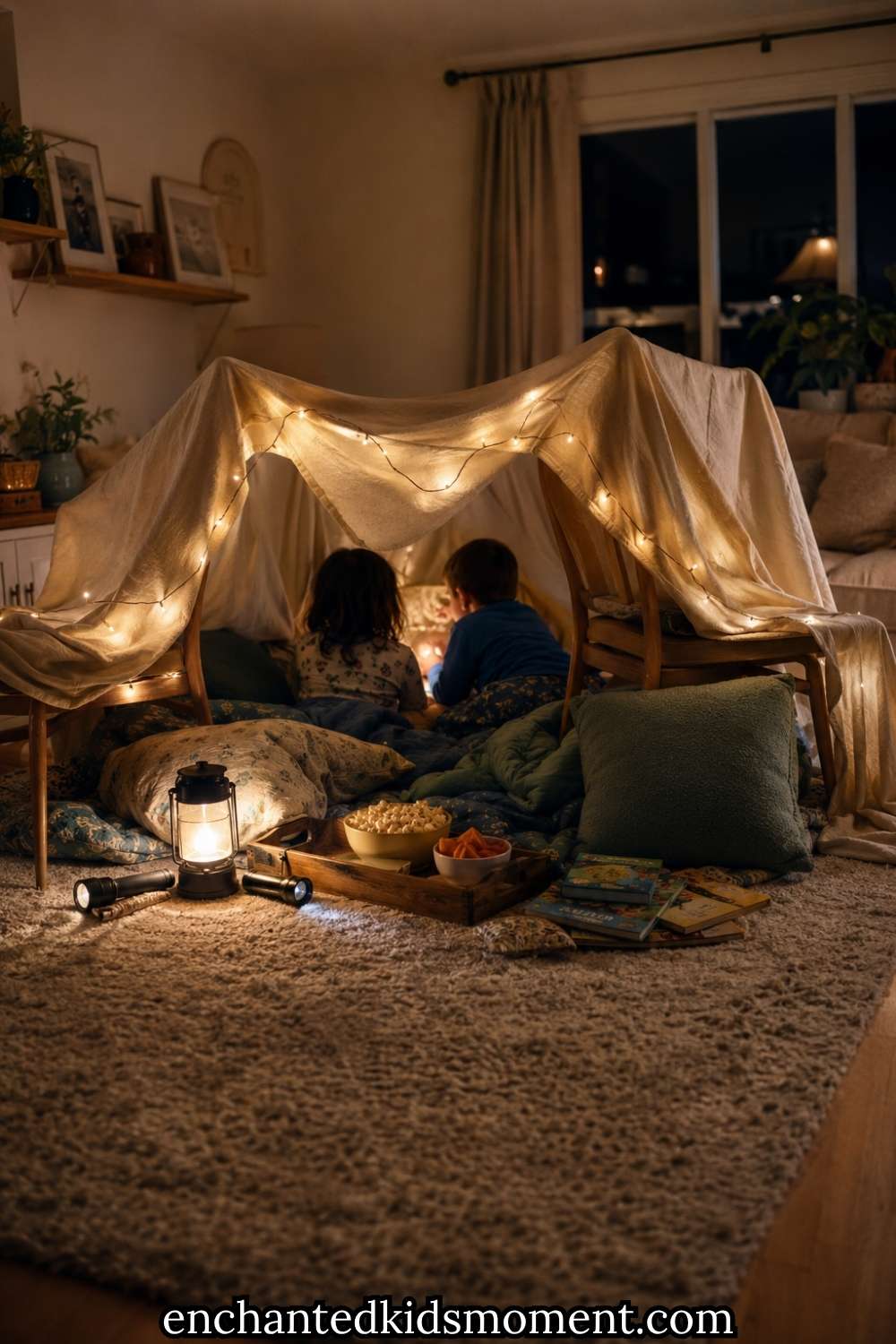
An Indoor Camping Night for Kids is a perfect example. With a few blankets, pillows, flashlights, and a little imagination, you can turn an ordinary evening at home into an adventure your children will talk about for years. It creates space for stories, games, snacks, and quiet conversations that rarely happen during a busy week.
If your family enjoys making meaningful memories together at home, you’ll also love How to Plan a Family Game Night Kids Will Enjoy, another simple tradition that brings everyone together without leaving the house.
In this step-by-step guide, you’ll learn how to create an indoor camping night that feels exciting, cozy, and memorable for children of all ages.
Why an Indoor Camping Night Is Worth Trying

Before you start gathering blankets and flashlights, it helps to know why this simple activity is so special.
An indoor camping night gives children something they need more than expensive entertainment. It gives them your time.
As you build a fort together, tell stories, and laugh over silly games, your children feel connected. Those moments help them feel safe, loved, and included.
The best part is that every family can make it their own. You can keep it simple or add creative touches that match your children’s interests.
Years later, they probably will not remember the blanket you used or the snacks you served. They will remember how everyone gathered in the living room and turned an ordinary evening into an adventure.
If you’re looking for more simple ways to create lasting traditions, The Ultimate Guide to Creating Meaningful Childhood Memories With Kids is filled with ideas your family can enjoy throughout the year.
How to Create an Indoor Camping Night for Kids (Step-by-Step Guide)
1: Choose the Perfect Spot
The first step is choosing where your campsite will be.
Most families use the living room because it offers plenty of space.
A playroom also works well.
Even a large bedroom can become an exciting campsite.
Look around the room before you begin.
Move anything fragile out of the way.
Create enough space for children to crawl, stretch, and play comfortably.
You do not need a huge area.
A small, cozy space often feels more like a real campsite.
Once everyone agrees on the location, the excitement begins to grow.
Children love watching an ordinary room slowly turn into something completely different.
If you’re making the most of a smaller space, 35 Smart IKEA Kids Room Ideas for Small Spaces has clever ideas for arranging furniture and creating more room to play.
2: Build a Cozy Indoor Tent
Every camping adventure needs a place to sleep.
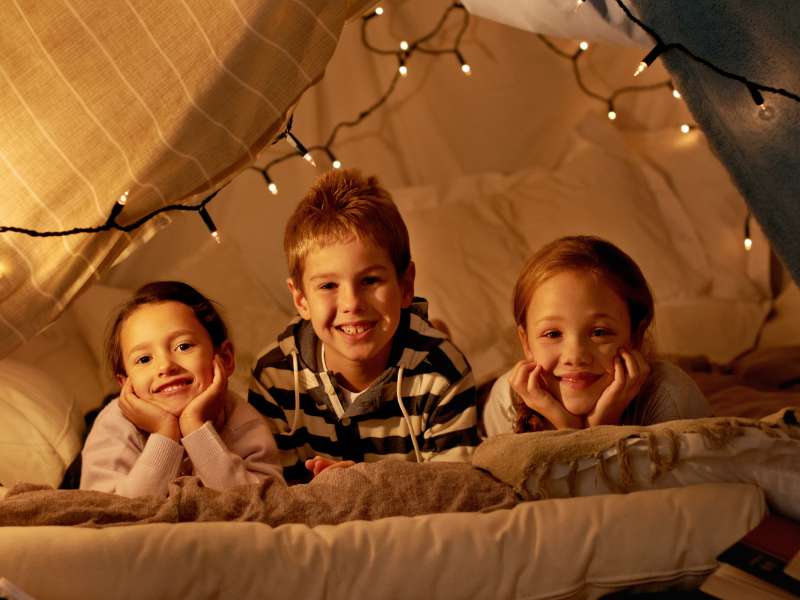
Gather blankets, bed sheets, pillows, and a few dining chairs.
Drape the blankets over the chairs to create a simple tent.
Use clothespins or large clips if the blankets keep slipping.
Place extra pillows around the edges to make the tent feel soft and comfortable.
If you have sleeping bags, lay them inside.
If not, thick blankets work just as well.
Invite your children to help.
Let them choose where the pillows go.
Ask them how they want their campsite to look.
Helping build the tent makes children feel like real campers instead of guests.
The finished fort does not need to look perfect.
Sometimes the funniest-looking tents become everyone’s favorite.
Read this next: The Most Precious First Birthday Traditions Every Family Should Try
3: Add Soft Lighting

Real camping rarely includes bright ceiling lights.
Turn them off once your campsite is ready.
Instead, use battery-powered lanterns, fairy lights, or flashlights.
Place the lights around the tent instead of shining them directly into everyone’s eyes.
The softer light creates a warm and relaxing atmosphere.
Children immediately notice the difference.
The room feels quieter.
It feels calmer.
It also makes storytelling much more exciting later in the evening.
Avoid using real candles inside your indoor campsite.
Battery-powered lights create the same cozy feeling without the worry.
Open this late: How to Set Up a Fun Backyard Water Play Station With Kids
4: Bring Nature Indoors

Small nature-inspired decorations help children imagine they are camping outside.
Scatter a few pinecones across the table.
Collect smooth rocks from your garden.
Add small branches or artificial greenery if you have them.
Place a picnic blanket on the floor.
You could even play gentle forest sounds in the background.
Birds singing.
Leaves blowing.
Crickets chirping.
Those simple details encourage imaginative play without requiring much effort.
Children quickly begin pretending they are deep inside a forest.
If your family enjoys nature-inspired projects, Exciting Fall Nature Activities That Help Kids Explore the Outdoors offers more ideas to continue the adventure another day.
5: Pack Pretend Camping Gear

Children love pretending they are preparing for a real trip.
Give everyone a small backpack.
Fill it with simple camping supplies.
Ideas include:
- Flashlight
- Water bottle
- Notebook
- Colored pencils
- Stuffed animal
- Binoculars
- Toy compass
- Small blanket
Ask children to check that they packed everything they need before entering the campsite.
That little activity builds excitement while encouraging responsibility.
Some children even enjoy pretending they hiked a long distance before arriving at camp.
Step 6: Wear Comfortable Camping Clothes
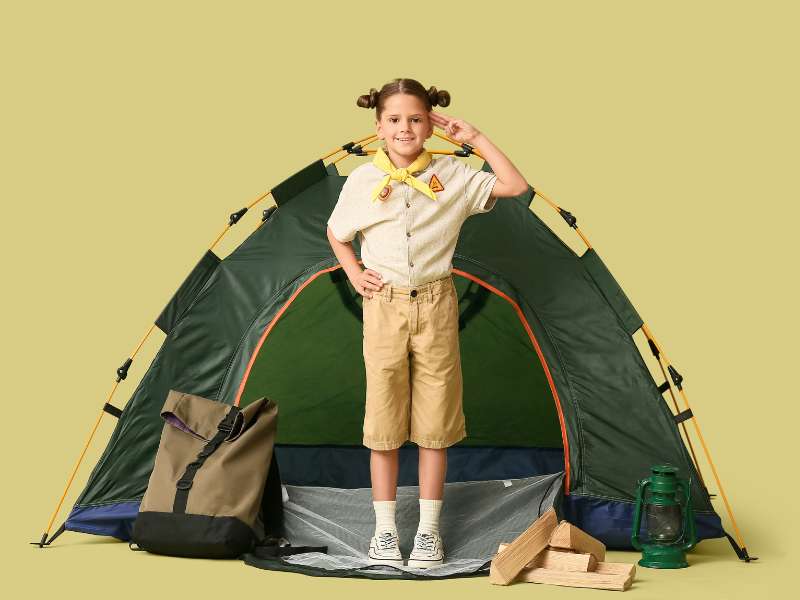
Changing clothes helps children step into the adventure.
Wear pajamas if you’re planning an evening campout.
During daytime camping, comfortable clothes work perfectly.
Flannel shirts.
Warm socks.
Soft sweaters.
Beanies.
Even funny hats can make everyone smile.
Invite children to bring their favorite blanket or stuffed animal too.
Those familiar comforts help younger children relax, especially if they are staying up later than usual.
Step 7: Prepare Easy Camping Snacks
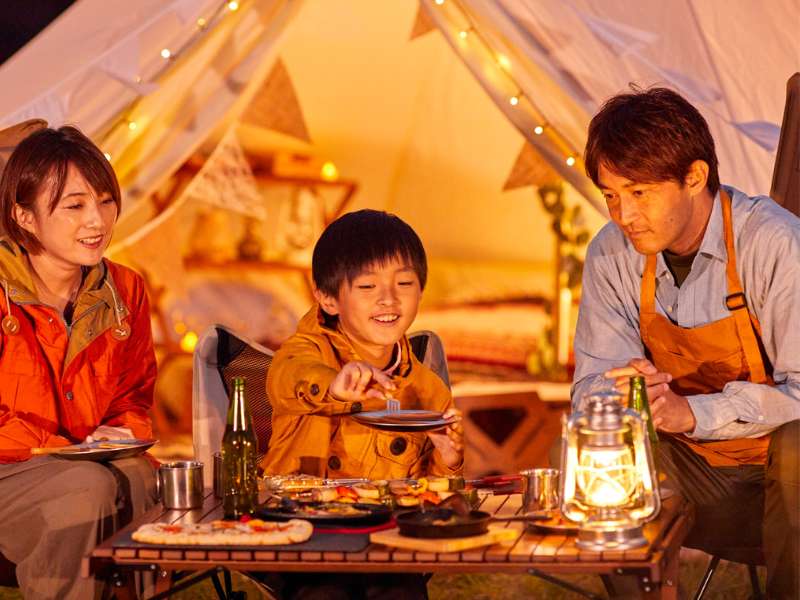
Camping always feels more exciting with special snacks.
Keep everything simple.
Serve popcorn in paper cups.
Slice apples.
Offer grapes, crackers, cheese cubes, or trail mix.
You could even make sandwiches and pretend everyone packed them for the trip.
Let children help prepare the snack table.
Simple jobs like filling bowls or arranging napkins make them feel involved.
Eating together inside the tent makes the evening feel much more memorable than sitting around the dining table.
If your family enjoys cozy evenings with treats, 31 Cozy Family Movie Night Ideas Kids and Parents Will Absolutely Love includes snack ideas that work perfectly for indoor camping too.
Step 8: Make a Campfire Without Fire

No camping trip feels complete without a campfire.
Fortunately, you can make one safely indoors.
Roll orange, red, and yellow tissue paper into loose flames.
Stand them around cardboard tubes to create pretend logs.
Place a battery-operated light underneath.
The glowing light creates the look of a tiny campfire.
Gather everyone around it for stories and songs.
Children usually love this part because it feels surprisingly real.
Making the campfire together also becomes a fun craft before the evening begins.
If your children enjoy hands-on projects, Easy Summer Crafts Kids Can Make in 10 Minutes has plenty of simple ideas to add to your camping adventure.
Step 9: Tell Campfire Stories
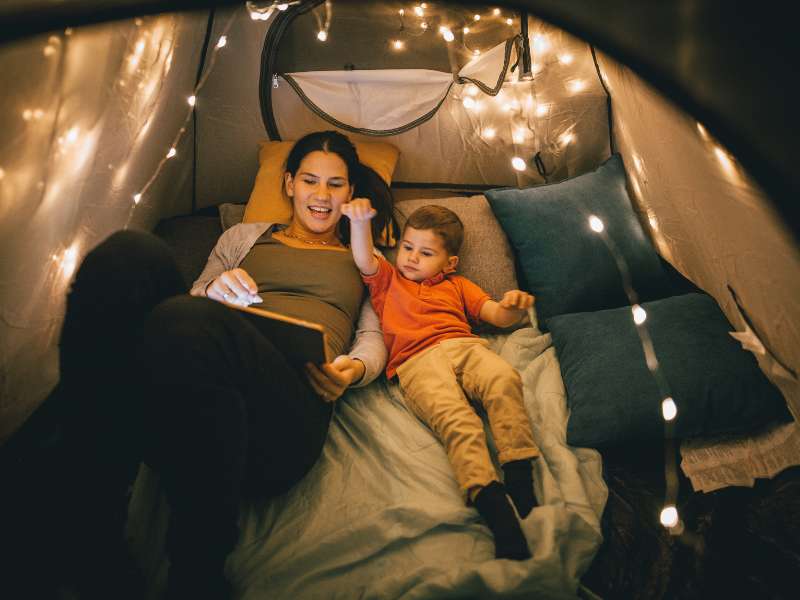
Once everyone has settled around the pretend campfire, it is time for one of the best parts of camping.
Storytelling.
You do not need scary stories.
Funny adventures and imaginative tales usually keep children much more engaged.
Take turns creating a story.
One person starts with a sentence.
The next person adds another.
Continue until the story reaches a funny ending.
Children love hearing how unexpected the adventure becomes.
This activity encourages imagination while giving everyone a chance to join in.
Even shy children often become excited when it is their turn to add something to the story.
Step 10: Go on an Indoor Nature Scavenger Hunt

Camping is all about exploring.
Hide small objects around the room before the camping night begins.
You could use:
- Pinecones
- Plastic animals
- Toy insects
- Leaves
- Small rocks
- Toy binoculars
Give each child a simple checklist.
Challenge them to find every hidden item around the campsite.
Older children can solve clues.
Younger children enjoy picture checklists instead.
The hunt adds movement after everyone has been sitting together.
It also helps children notice details they may have missed before.
If your family enjoys exploring together, The Ultimate Guide to Seashell Crafts for Kids: Fun, Easy Projects That Turn Beach Finds Into Precious Keepsakes is another fun adventure to try after your next outdoor walk.
Step 11: Play Camping Games

Simple games keep the energy high throughout the evening.
You do not need complicated rules.
Try activities like:
- Campfire charades
- Animal sound guessing
- Nature bingo
- Guess what’s in the backpack
- Shadow guessing with flashlights
- Camping trivia
Choose games that let everyone participate.
Mix quieter games with active ones.
Children stay interested much longer when every activity feels different.
Laughter usually fills the room before long.
If your family enjoys friendly competition, How to Plan a Family Game Night Kids Will Enjoy offers even more games that everyone can play together.
Step 12: Pretend to Go Fishing
Fishing becomes surprisingly fun indoors.
Tie paper fish to pieces of string.
Attach paper clips to each fish.
Use a toy fishing rod or a stick with string and a small magnet.
Scatter the fish around the floor.
Children take turns catching them.
Write fun challenges on the back of each fish.
Examples include:
- Hop five times.
- Sing a favorite song.
- Pretend to be a bear.
- Tell a funny joke.
Every catch becomes a new surprise.
Children usually ask to play several rounds.
13: Create Camping Crafts Together
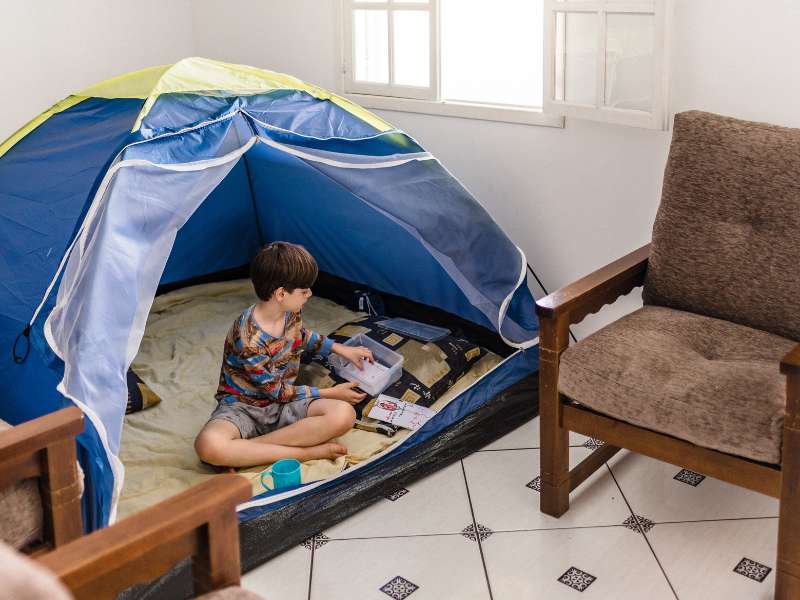
A quiet craft activity helps children slow down before bedtime.
Choose something simple.
Decorate binoculars using cardboard tubes.
Paint pretend camping rocks.
Make paper lanterns.
Create paper camp badges.
Children enjoy taking home something they made during the evening.
The craft also becomes a reminder of the adventure long after it ends.
If your children love making things with their hands, Fun and Easy Paper Plate Sun and Moon Crafts Kids Can Make Using Everyday Supplies is another creative project they’ll enjoy.
14: Sing Favorite Songs
Camping and singing naturally go together.
Choose cheerful songs everyone knows.
Invite children to clap along.
Make up funny actions.
You can even invent your own family camping song.
Children rarely care whether anyone sings perfectly.
They simply enjoy singing together.
Those shared moments often become some of the happiest memories from the evening
15: Enjoy a Simple Indoor Picnic

Move the snacks onto a blanket.
Sit together on the floor.
Pretend you are eating in the middle of a forest.
Pack sandwiches into paper bags.
Serve fruit in small containers.
Pour drinks into reusable bottles.
Children quickly forget they are still inside the house.
The pretend picnic helps the whole evening feel like a real camping trip.
Step 16: Look at the Stars
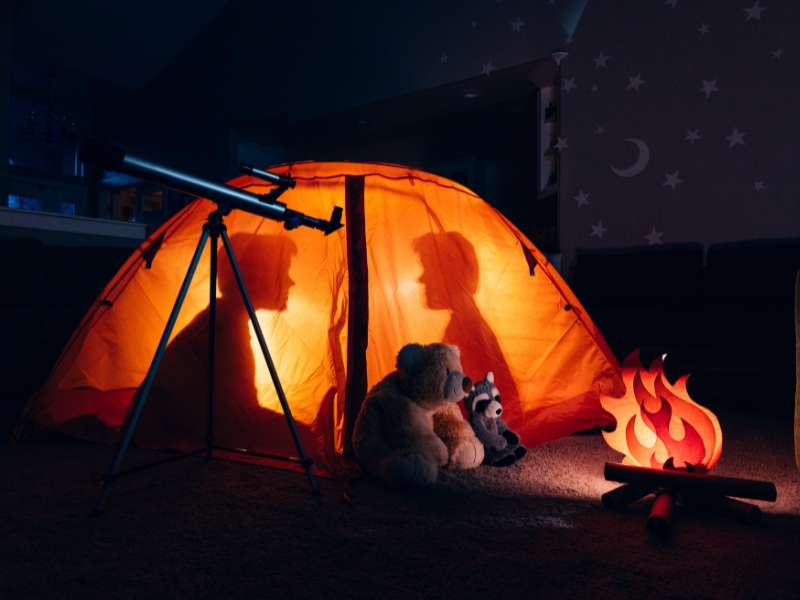
Even if the sky is cloudy, you can still enjoy stargazing indoors.
Turn off the lights.
Use glow-in-the-dark stars on the ceiling if you have them.
Shine a flashlight through small holes in cardboard to create tiny stars on the walls.
Ask children what shapes they can see.
Invent your own constellations.
Talk about space.
Imagine visiting another planet.
Quiet moments like these help children settle before bedtime.
If your child enjoys space adventures, 17 Space Nursery Designs for Little Future Astronauts offers plenty of inspiration for bringing that excitement into everyday life.
Step 17: Read a Camping Book
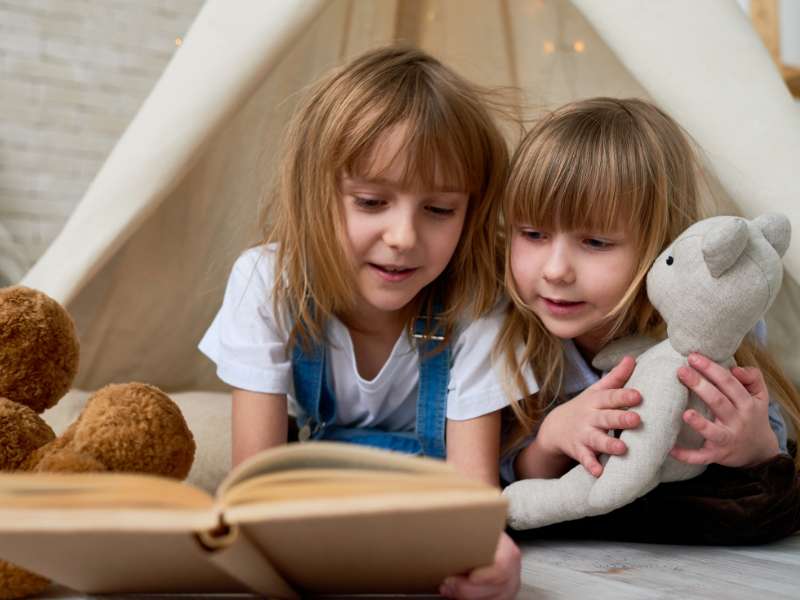
Gather everyone inside the tent.
Choose one or two short books with camping or outdoor adventures.
Read slowly.
Pause to ask questions.
Invite children to predict what happens next.
Reading together feels different inside the cozy campsite.
The blanket fort creates a calm atmosphere where children naturally listen more closely.
If reading has become part of your family routine, The Ultimate Guide to Creating a Cozy Reading Nook for Kids can help you build another special space your children will love.
Step 18: End With Quiet Family Conversations
Before everyone goes to sleep, spend a few quiet minutes talking together.
Ask simple questions.
What was your favorite activity?
What made you laugh the most?
What should we do next time?
Children often share thoughtful answers during these calm conversations.
Those little chats strengthen family relationships in ways that games alone cannot.
Listening carefully shows children that their thoughts matter.
Sometimes those conversations become the most meaningful part of the entire evening.
Fun Themes for Your Next Indoor Camping Night
One indoor camping night often leads to another.
Changing the theme keeps every adventure exciting.
Jungle Expedition
Scatter stuffed animals around the room.
Pretend everyone is searching for hidden wildlife.
Use binoculars and flashlights to spot different animals.
Children can collect pretend explorer badges after completing each activity.
Space Camp
Transform your campsite into a spaceship.
Hang paper stars from the ceiling.
Count down before “launching.”
Pretend every room in the house is a different planet waiting to be explored.
If your child enjoys space adventures, 21 Inspired Toy Story Bedroom Ideas for Boys That Feel Straight Out of the Movie can inspire even more imaginative play.
Pirate Camp
Hide treasure around the campsite.
Create a simple treasure map.
Ask children to follow clues before finding the hidden prize.
Simple chocolate coins or homemade certificates make exciting treasures.
Forest Adventure
Bring more nature indoors.
Decorate with paper leaves.
Place toy woodland animals around the room.
Pretend everyone is hiking through a peaceful forest before returning to camp for snacks and stories.
If your family enjoys seasonal activities, 15 Creative Fall Crafts for Kids Using Leaves, Apples, and Pumpkins is another great way to bring nature into your home.
Little Traditions That Make Every Camping Night Special
Children love traditions.
The smallest details often become the ones they remember most.
Always begin with the same camping song.
Let the youngest camper switch on the lantern.
Take one family photo inside the tent every time.
End the evening by sharing everyone’s favorite moment.
Those traditions give children something to look forward to each time you announce another camping night.
Why Indoor Camping Creates Lasting Memories
Children rarely remember expensive outings as clearly as simple moments spent together.
They remember sleeping inside a blanket fort.
They remember pretending the living room was a forest.
They remember laughing while telling funny campfire stories.
Those experiences build stronger family connections because everyone participates.
No one rushes anywhere.
No one worries about schedules.
Everyone simply enjoys being together.
That is what makes an indoor camping night so special.
Final Thoughts
Learning how to create an indoor camping night for kids is not about building the biggest blanket fort or planning the perfect evening. It is about slowing down, putting everyday distractions aside, and making time for the people who matter most.
With a few blankets, pillows, flashlights, and a little imagination, your home can become a place filled with adventure, laughter, and meaningful conversations. Children do not need an expensive trip to feel excited. They simply need opportunities to spend time with the people they love.
Years from now, they may not remember every game they played or every snack they ate. They will remember crawling into the tent, sharing stories around a pretend campfire, laughing together, and falling asleep after an evening that felt magical.
Those simple nights often become the memories families treasure for a lifetime.