Some links on this blog may contain affiliate links. If you make a purchase through one of these links, I may earn a small commission at no extra cost to you. Thank you for supporting Enchanted Kids Moment!
Kids bedroom design became much more meaningful to me the day I walked into 11-year-old Tom’s room. I still remember how amazed I felt. The room looked beautiful, but what stood out most was not the décor itself. Every part of the space reflected who Tom was. His interests, personality, hobbies, and imagination filled the room. The decorations looked wonderful, yet they never distracted from the most important thing in the room: the child who lived there.
That experience reinforced something I have always believed. A great kids bedroom design should be more than a place to sleep. It should feel like a little world where children can dream, play, learn, create, and simply be themselves. Some of the most treasured childhood memories happen inside these spaces, from building blanket forts and reading favorite books to creating imaginary adventures that only children can dream up.
Designing a kids bedroom often feels like balancing creativity with practicality. Children need a space that reflects their personality while supporting their everyday needs. I love how the right colors, cozy reading corners, playful décor, and thoughtful furniture choices can completely transform a room. If you are looking for ways to keep that space beautiful and functional, you may also love these creative kids room storage ideas that help maximize every inch.
The best kids bedroom design combines imagination, comfort, and purpose. A room should inspire creativity while remaining organized enough to support daily life. From magical themes and reading nooks to flexible layouts and smart storage, every detail plays a role in creating a space children truly love. For parents who prefer a simpler approach, these minimalist kids room ideas offer beautiful inspiration that feels calm, stylish, and child-friendly.
Keep reading to discover creative kids bedroom design ideas, practical tips, and inspiring solutions that help create a room your child will enjoy for years to come.
Why a Thoughtful Kids Bedroom Design Matters for Growing Children
A child’s bedroom is much more than a place to sleep. It becomes a space for imagination, learning, relaxation, and everyday adventures. Children spend countless hours playing, reading, creating, and dreaming inside their rooms.
That is why a thoughtful kids bedroom design plays an important role in their daily life. The best spaces combine playful details with practical solutions that help children feel comfortable and independent.
A successful kids bedroom design should match your child’s personality while also supporting their changing needs. The room should feel exciting enough for play and organized enough for daily routines.
Parents who enjoy creating meaningful spaces may also love shared nursery ideas because thoughtful layouts help every child feel comfortable and valued.
Most importantly, a kids bedroom design does not need to follow every trend. A room filled with personal touches often becomes the most loved space in the home.
How to Design a Kids Bedroom That Balances Fun and Function
1. Start With Your Child’s Personality and Interests
Every great room begins with understanding the child who uses it.
Some children love bright colors and adventurous themes. Others prefer calm spaces with soft textures and simple decorations.
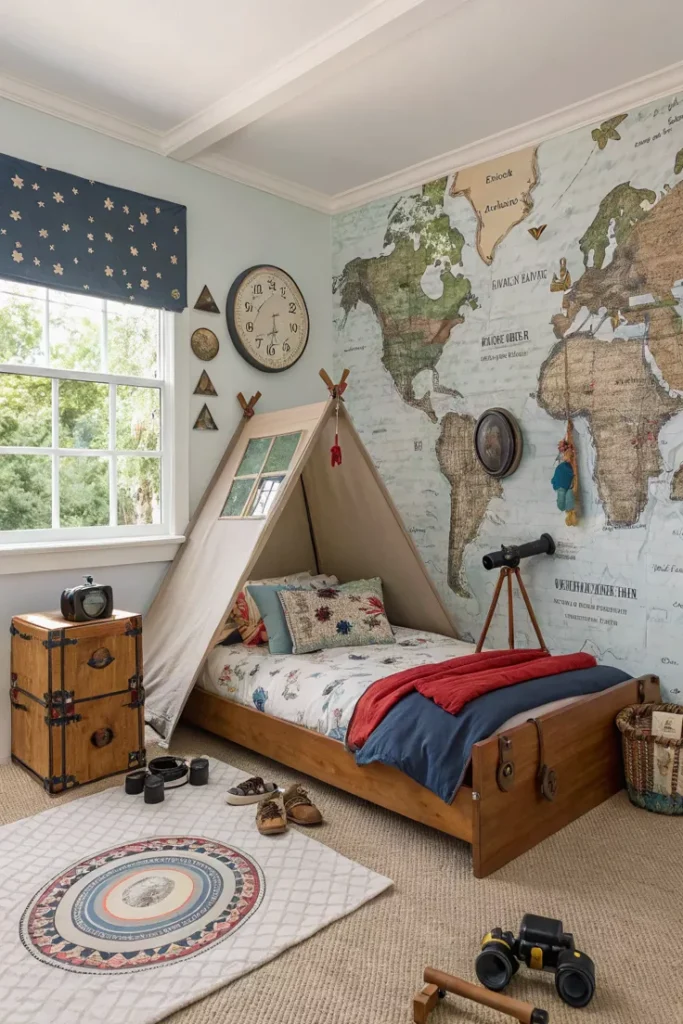
A kids bedroom design should celebrate these unique interests.
Talk with your child about their favorite animals, hobbies, colors, books, and activities.
Allowing children to share ideas helps them feel connected to their space.
The bedroom becomes a reflection of who they are rather than just a decorated room.
2. Choose a Color Palette That Creates the Right Mood
Color influences how a room feels.
Bright colors can bring energy and excitement. Softer shades can create a peaceful atmosphere for sleeping and relaxing.
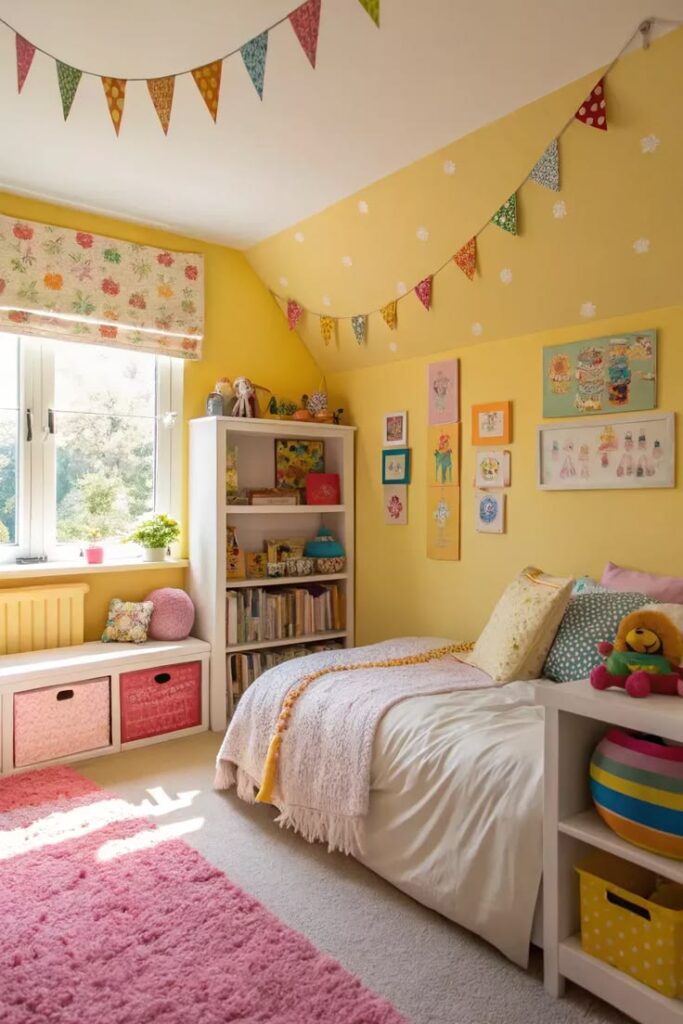
A balanced kids bedroom design often combines playful colors with calming tones.
Consider using colorful decorations instead of covering every wall with bold shades.
This approach allows the room to grow as your child’s preferences change.
3. Create Zones for Different Activities
Children use their bedrooms for many purposes.
They sleep, play, study, read, and create within the same space.
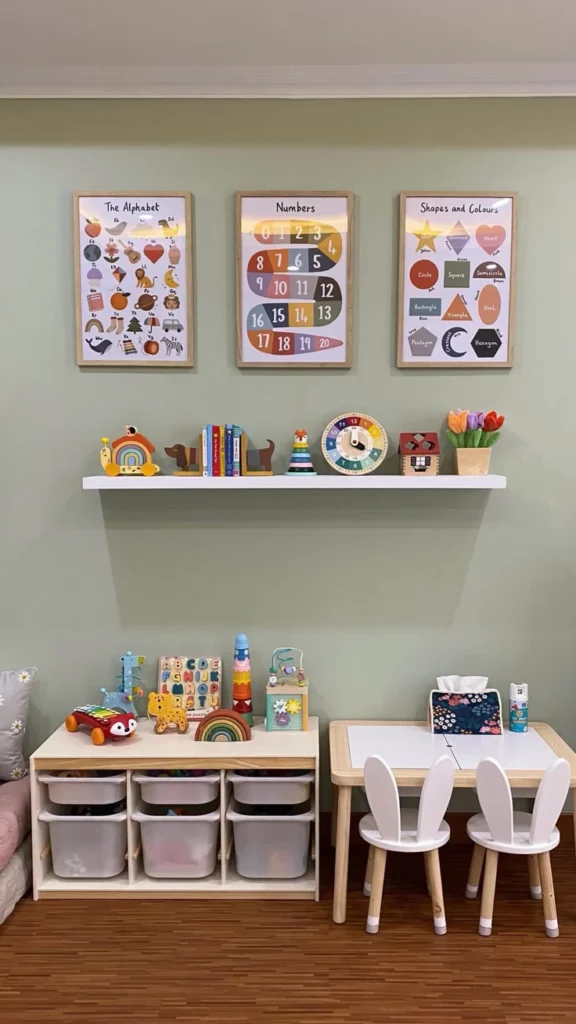
A smart kids bedroom design separates these activities into simple zones.
Create a sleeping area, a play area, a reading corner, and a space for learning.
Even small bedrooms can benefit from clear areas for different tasks.
Families who appreciate organized spaces often explore kids room storage ideas for creative ways to maintain these zones.
4. Select Furniture That Grows With Your Child
Children quickly outgrow certain furniture choices.
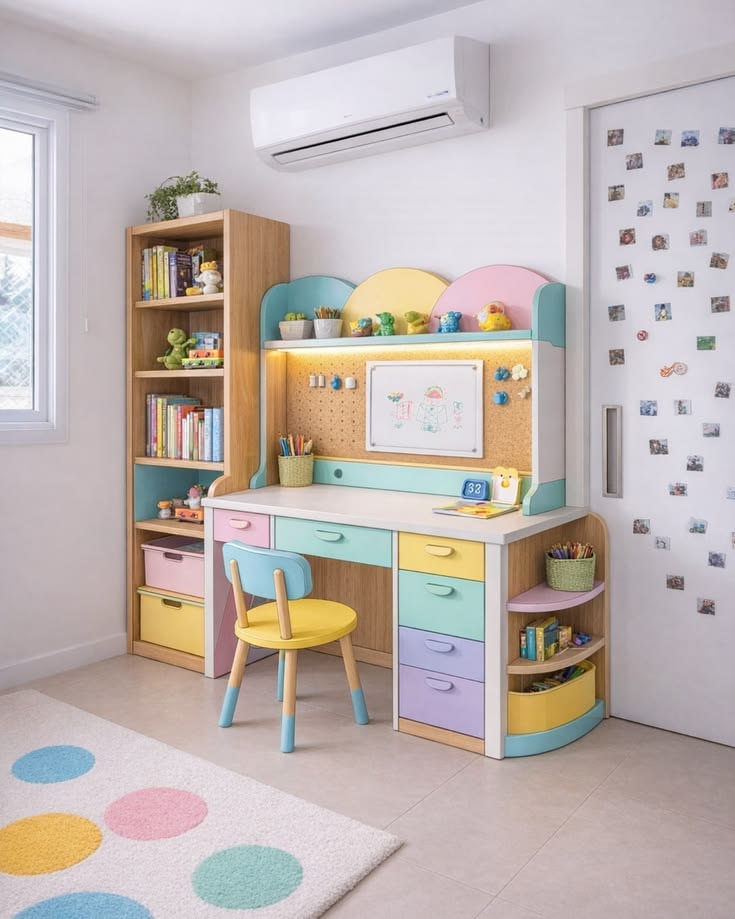
Choose pieces that can adapt through different stages of childhood.
A flexible kids bedroom design saves time and keeps the room useful for many years.
Simple beds, adjustable desks, and practical storage pieces often work well.
Choose comfort and durability alongside appearance.
5. Add Creative Storage Solutions
Storage keeps a bedroom functional.
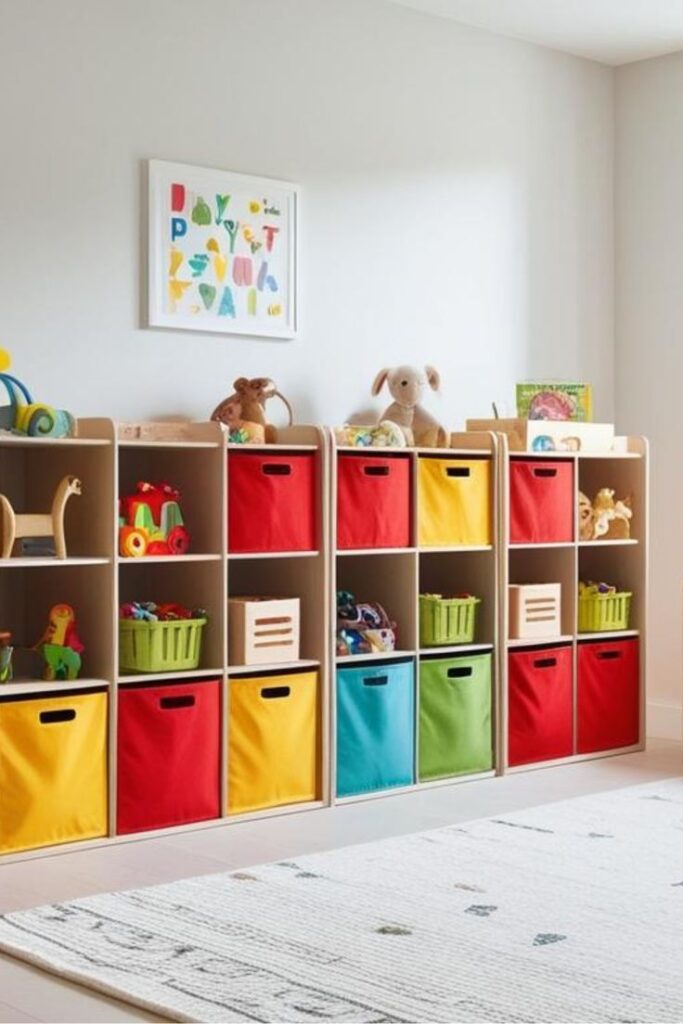
Children need easy places to keep toys, books, clothes, and creative supplies.
A well-organized kids bedroom design encourages independence because children can reach and put away their own belongings.
Use shelves, baskets, drawers, and labeled containers.
The easier the system, the more likely children will use it.
This guide will help you: The Ultimate Guide to Creating Meaningful Childhood Memories With Kids
6. Create a Cozy Reading Corner
Reading areas encourage quiet moments.

A small chair, soft rug, pillows, and a basket of books can create a magical corner.
A kids bedroom design should include places where children can relax without screens.
Reading spaces also encourage imagination and learning.
Children often develop stronger reading habits when books feel accessible.
7. Use Wall Space Creatively
Walls provide valuable opportunities.
Add artwork, shelves, educational displays, or personalized decorations.
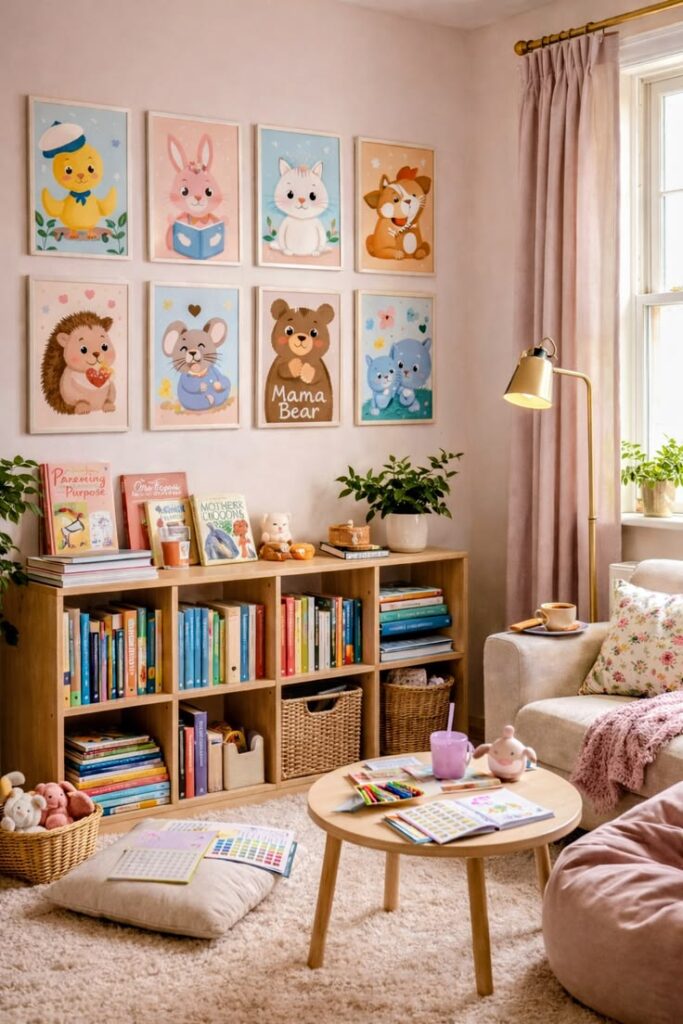
A creative kids bedroom design uses vertical space without creating clutter.
Display your child’s artwork to make the room feel personal.
Changing decorations over time keeps the room fresh.
Families who enjoy creative displays often find inspiration in paper flower backdrop ideas because handmade decorations add personality.
8. Make Room for Imaginative Play
Play is a major part of childhood.
Leave open floor space for building, pretending, and exploring.
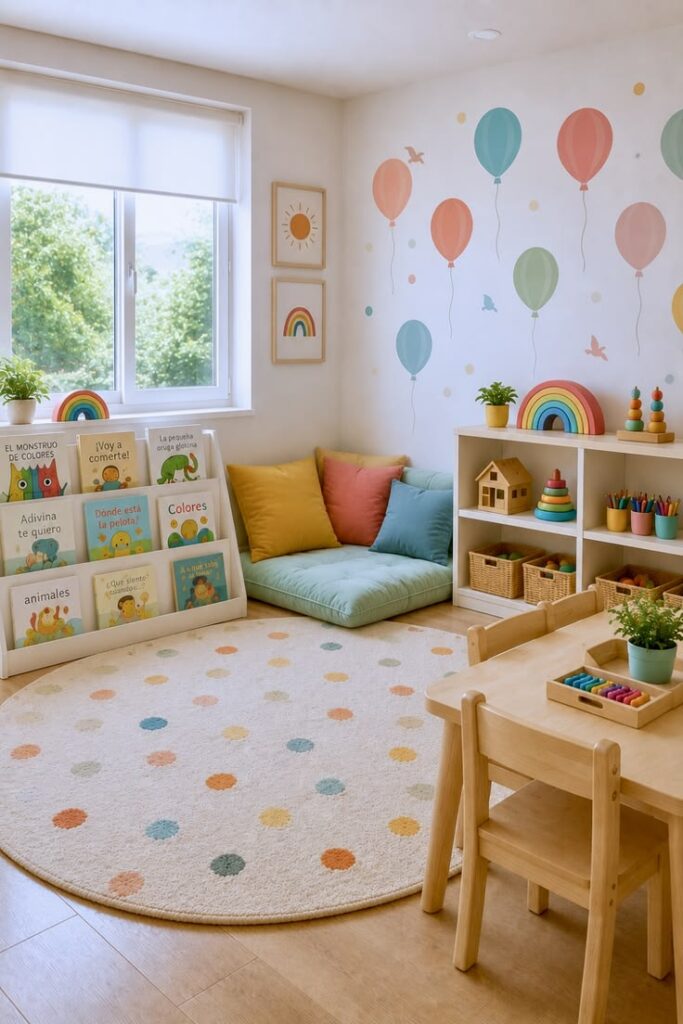
A kids bedroom design should never become so decorated that children cannot comfortably play.
Simple play areas often inspire the greatest creativity.
A few open spaces can become castles, spaceships, or magical worlds.
Children who love creative worlds may also enjoy Minecraft birthday party ideas because imaginative themes inspire endless ideas.
9. Include a Comfortable Study Area
As children grow, they need spaces for concentration.
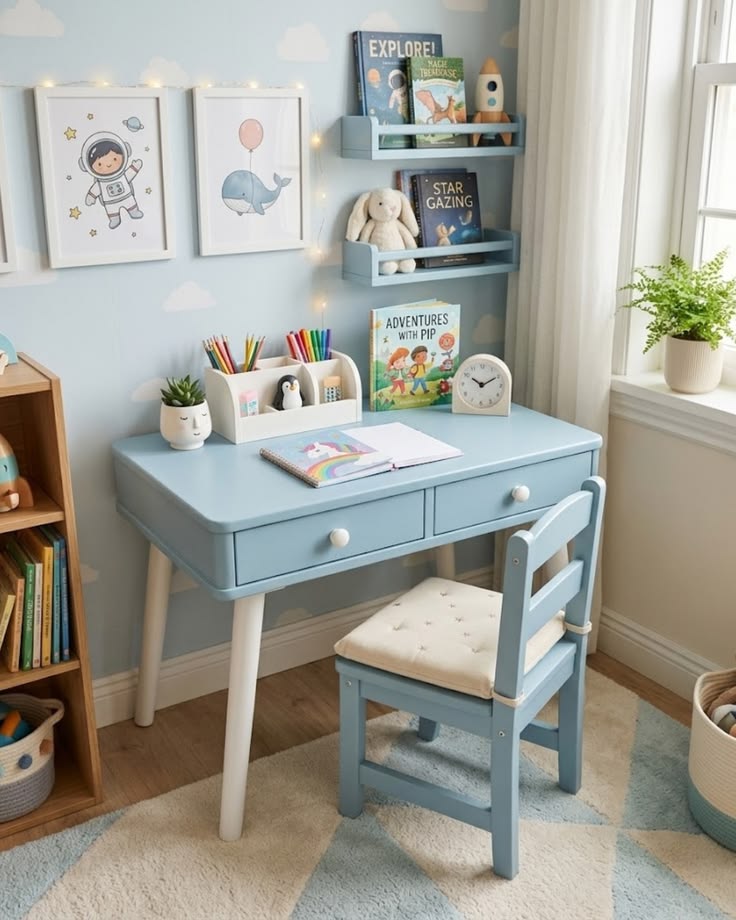
Create a simple area with a desk, comfortable chair, and proper lighting.
A practical kids bedroom design supports both creativity and learning.
Keep supplies organized and easy to reach.
A tidy workspace helps children focus better.
10. Add Fun Themes Without Overwhelming the Room
Themes make bedrooms exciting.
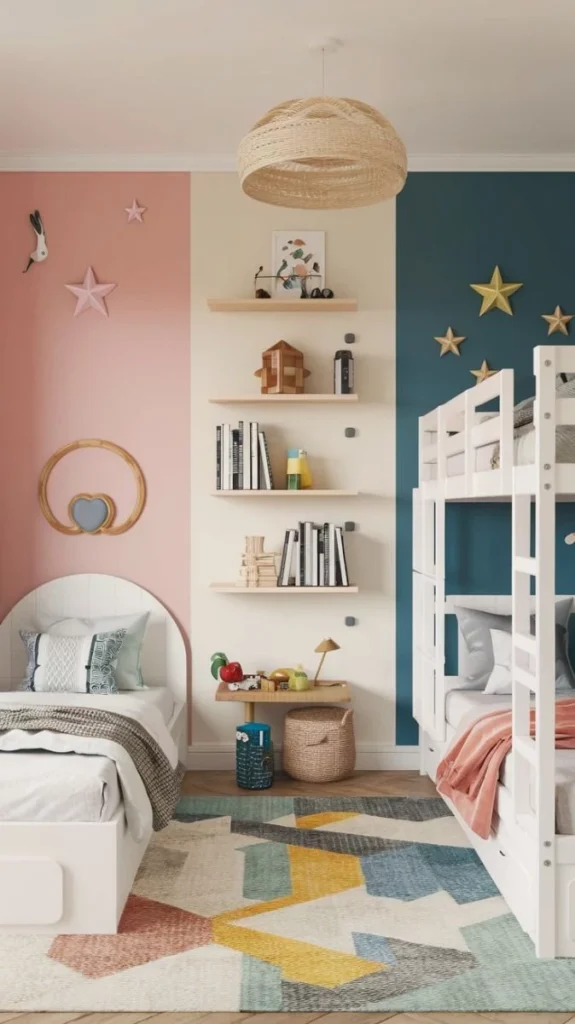
However, flexibility matters because interests can change.
A smart kids bedroom design uses removable decorations, bedding, artwork, and accessories.
This makes updates easier as children grow.
Choose themes that inspire imagination.
11. Use Lighting to Create Different Moods
Lighting changes the feeling of a bedroom.
Bright lighting helps with studying and activities. Soft lighting creates a calming bedtime environment.
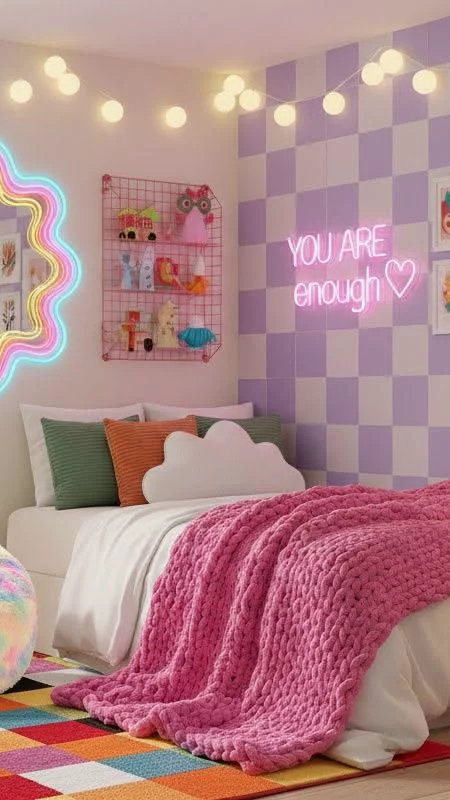
A complete kids bedroom design includes several lighting options.
Consider bedside lamps, reading lights, and gentle night lighting.
Comfortable lighting helps children feel safe and relaxed.
12. Display Your Child’s Favorite Creations
Children feel proud when adults celebrate their work.
Create a small gallery for artwork, crafts, or school projects.
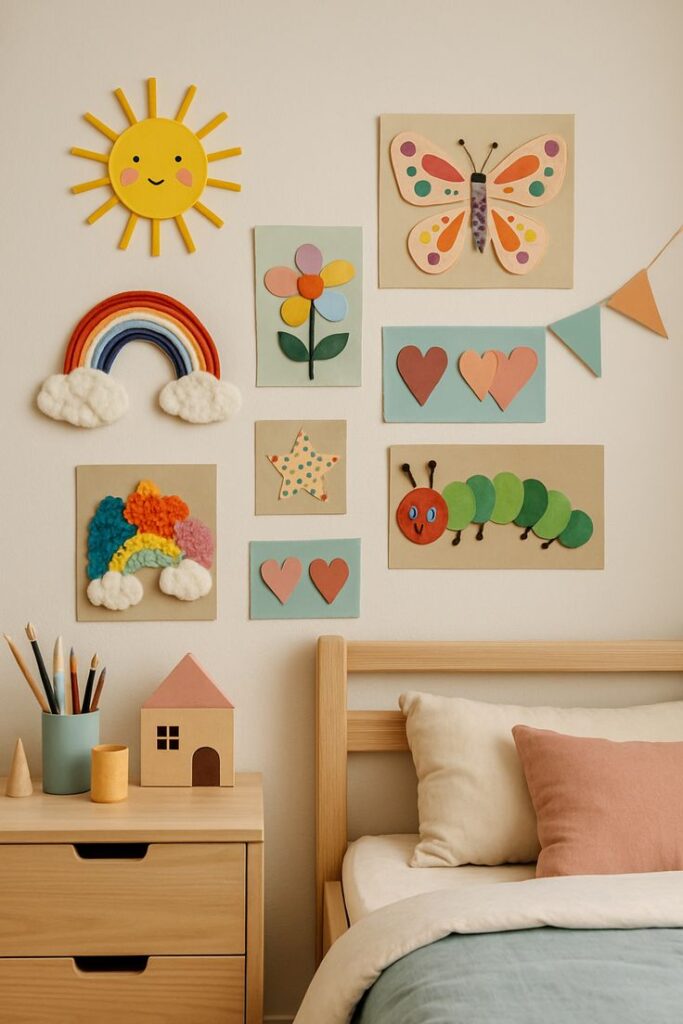
A personal kids bedroom design should include reminders of achievements and creativity.
Rotate displayed items to keep the space updated.
The display shows children that their ideas matter.
Parents who encourage creativity often enjoy ceramic mug painting ideas because handmade creations become meaningful keepsakes.
13. Choose Safe and Child-Friendly Materials
Safety should guide every decision.
Choose sturdy furniture, secure shelves, and age-appropriate decorations.
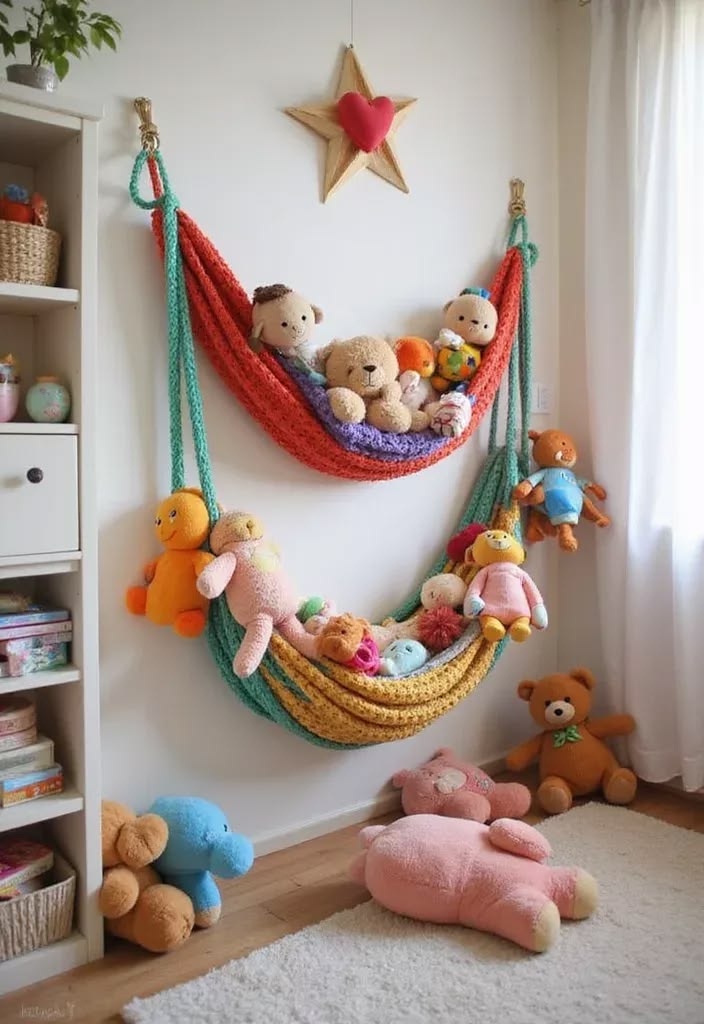
A responsible kids bedroom design balances beauty with practicality.
Avoid placing heavy items where children play.
Comfort and safety create a room where children can explore confidently.
14. Encourage Independence Through Accessibility
Children gain confidence when they can manage their own spaces.
Place books, clothes, and toys where they can reach them.
A well-planned kids bedroom design helps children practice responsibility.
Simple systems make everyday routines easier.
Children learn valuable organizational skills through their own environments.
15. Add Soft Textures for Comfort
Comfort transforms a bedroom into a retreat.
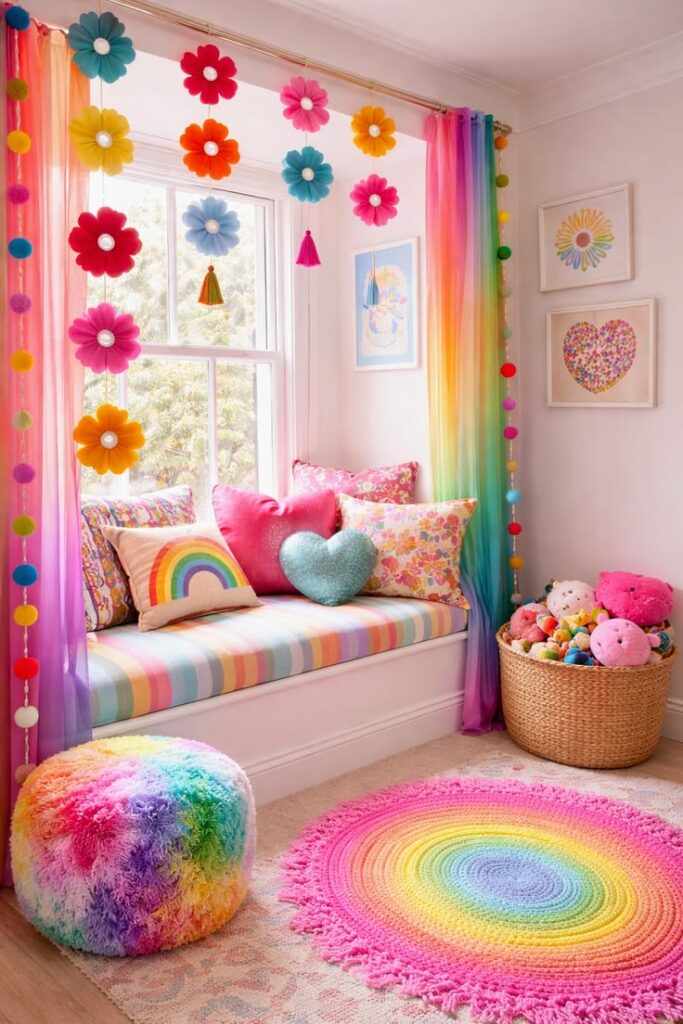
Use rugs, blankets, pillows, and comfortable fabrics.
A cozy kids bedroom design creates a welcoming atmosphere.
Textures also add warmth and visual interest.
Children often enjoy spaces that feel soft and relaxing.
16. Create a Space That Can Change Over Time
Children grow quickly, and their interests constantly evolve.
A flexible room makes future updates much easier. Choose timeless furniture and change smaller details like artwork, bedding, and decorations as your child develops new passions.
A successful kids bedroom design should adapt without needing a complete transformation every few years.
Simple changes can refresh the room while preserving comfort and functionality.
17. Include a Special Display Area for Collections
Many children love collecting meaningful items.
They may gather books, small toys, souvenirs, rocks, or creative projects. A dedicated shelf helps them showcase these treasures proudly.
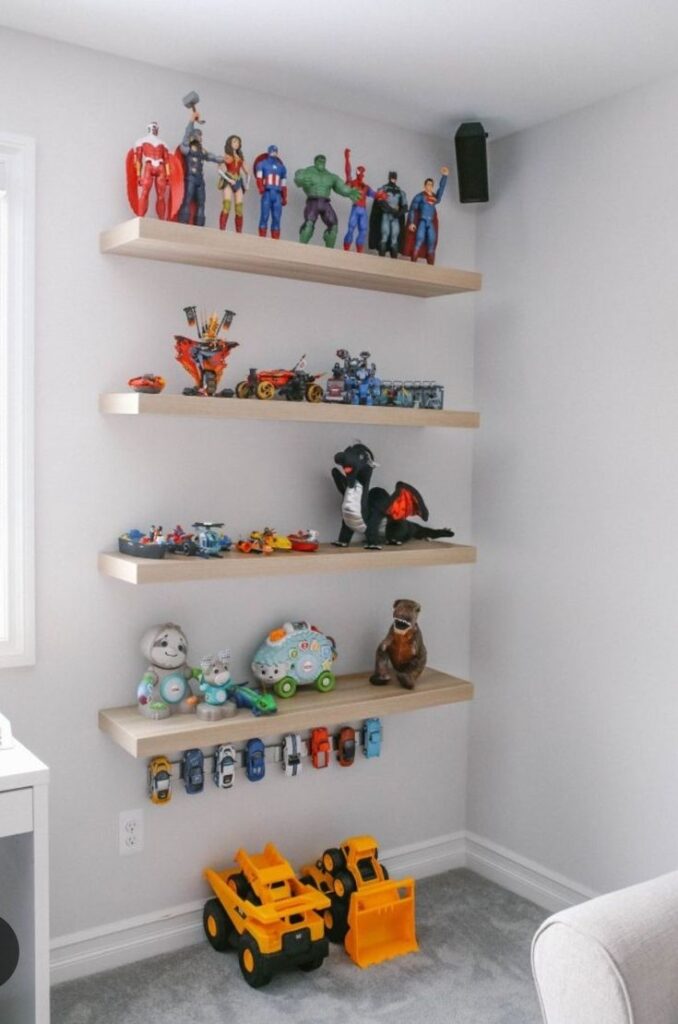
A thoughtful kids bedroom design celebrates the things that make each child unique.
Display areas also teach children how to organize and care for their belongings.
Parents who enjoy creative childhood projects may also love rock painting ideas for kids because handmade treasures often become favorite displays.
18. Make Storage Part of the Decoration
Storage does not need to feel boring.
Choose attractive baskets, colorful containers, and stylish shelves that complement the room’s theme.
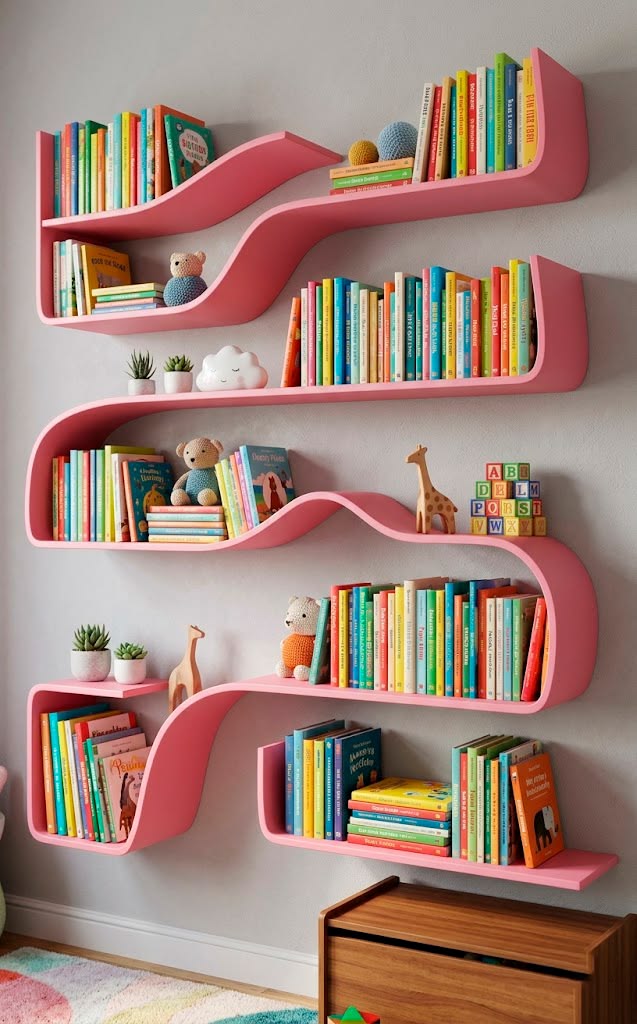
A beautiful kids bedroom design blends organization with personality.
When storage looks appealing, children often feel more motivated to keep their spaces tidy.
Creative organization can become part of the overall room style.
19. Create a Fun Art and Craft Station
Many children love drawing and making things.
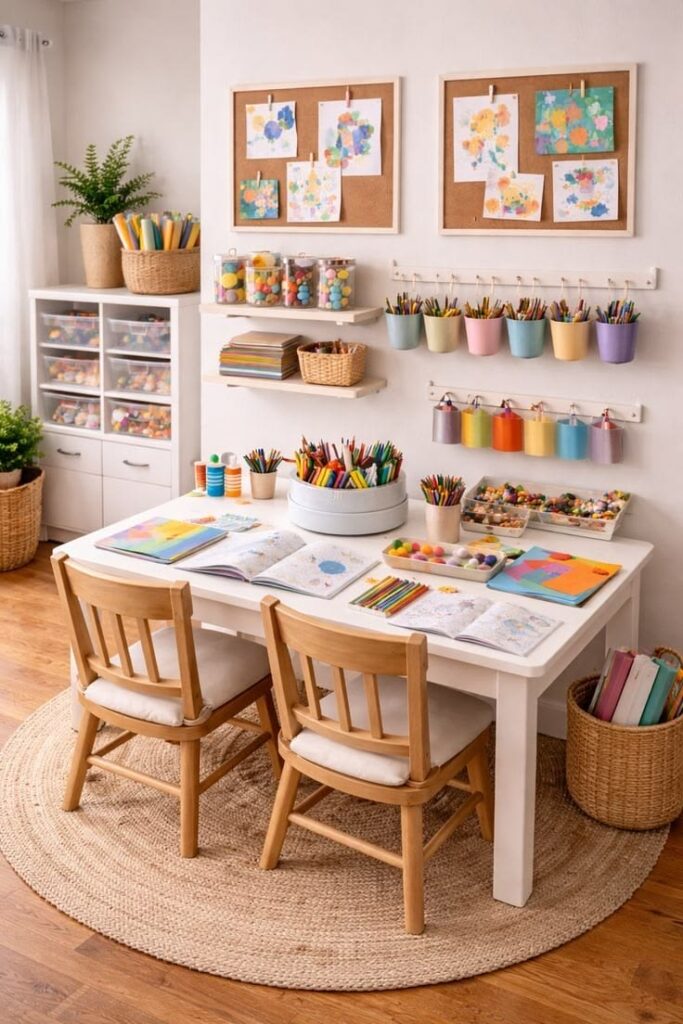
Set aside a small area with paper, crayons, markers, and other creative supplies.
A kids bedroom design that encourages creativity helps children express their ideas every day.
Keep materials organized and easy to reach.
Families who enjoy hands-on projects may also explore unicorn paper crafts because simple activities inspire imagination and artistic confidence.
20. Add Elements Inspired by Nature
Nature can bring calm and beauty into a bedroom.
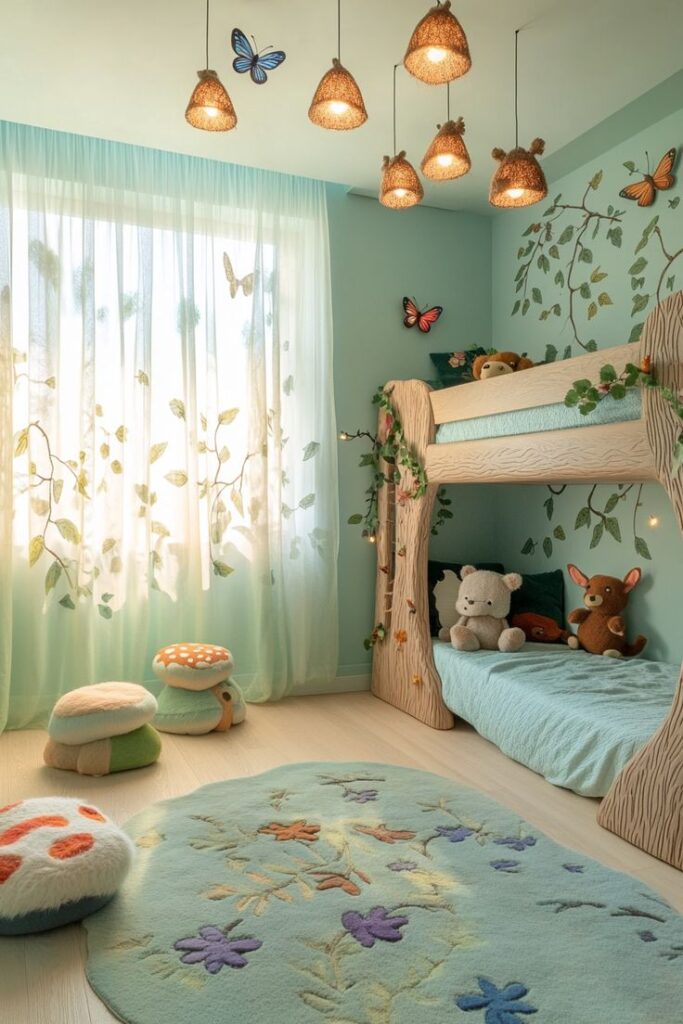
Use plant designs, animal artwork, nature colors, or outdoor-inspired decorations.
A balanced kids bedroom design connects children with the beauty of the natural world.
Nature themes often remain appealing for many years.
They also create peaceful and welcoming environments.
21. Personalize the Bedroom With Names and Memories
Personal details make a room feel special.
Add a name sign, favorite photographs, meaningful quotes, or handmade decorations.
A unique kids bedroom design tells the story of the child who lives there.
These small touches create emotional connections and make the space feel truly theirs.
The best rooms often include memories alongside beautiful decorations.
22. Choose Bedding That Combines Comfort and Style
The bed usually becomes the largest feature in the room.
Choose comfortable bedding that matches the overall theme and color palette.
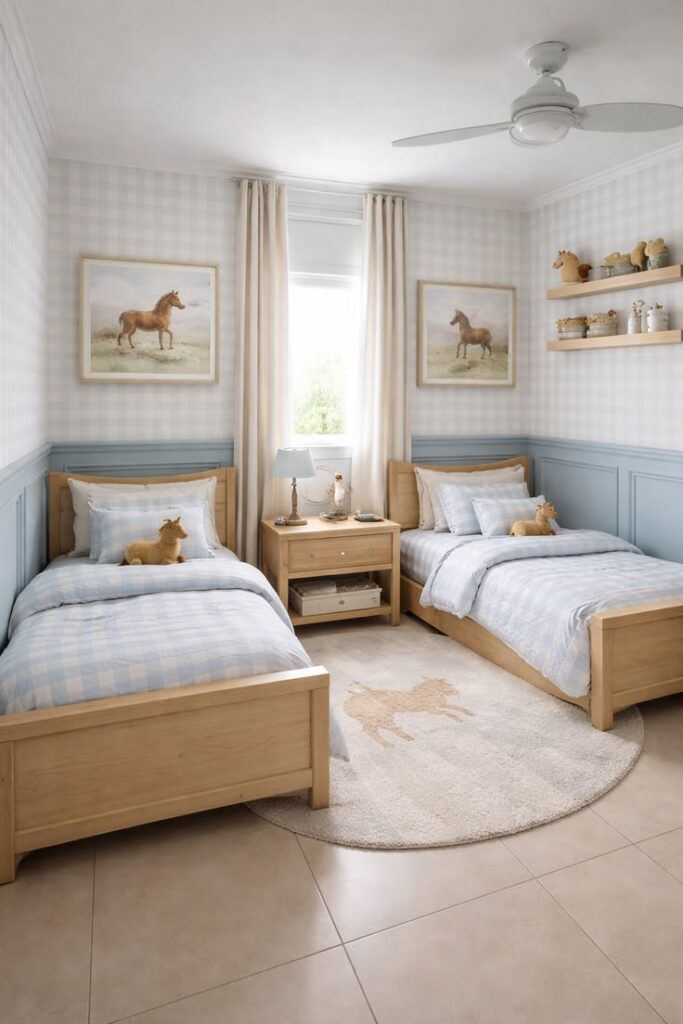
A carefully planned kids bedroom design balances visual appeal with everyday comfort.
Layer blankets and pillows to create a cozy atmosphere.
Children often feel more relaxed in beds that look inviting.
23. Make Small Rooms Feel Bigger
Limited space does not mean limited creativity.
Use vertical storage, light colors, and furniture that serves more than one purpose.
A smart kids bedroom design makes every inch useful.
Keep unnecessary items away and focus on things your child actually uses.
24. Add Playful Decorative Details
Small decorations can create a magical feeling.
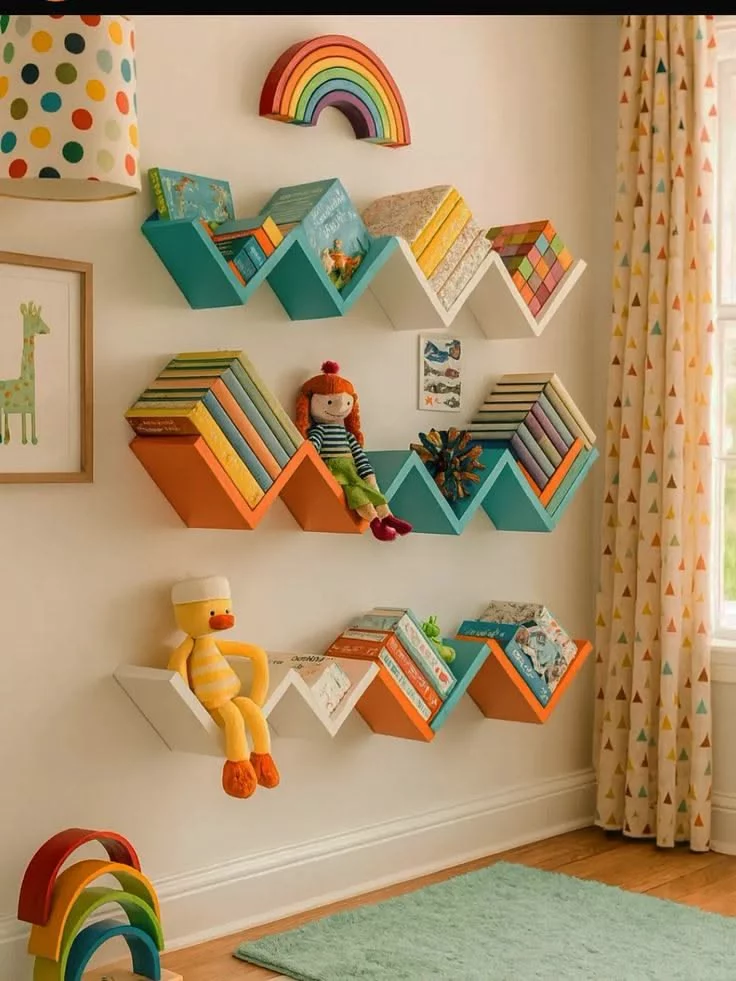
Try wall decals, themed lamps, playful rugs, or colorful artwork.
A fun kids bedroom design includes details that make children smile.
Avoid filling every corner with decorations.
A balanced room leaves space for creativity and imagination.
25. Keep Technology Areas Balanced
Modern children often have devices in their bedrooms.
However, a healthy room should also encourage reading, creativity, and physical play.
A thoughtful kids bedroom design creates balance between technology and offline activities.
Create areas that inspire children to draw, build, and explore.
26. Encourage Creativity With Building Spaces
Some children enjoy constructing and designing.
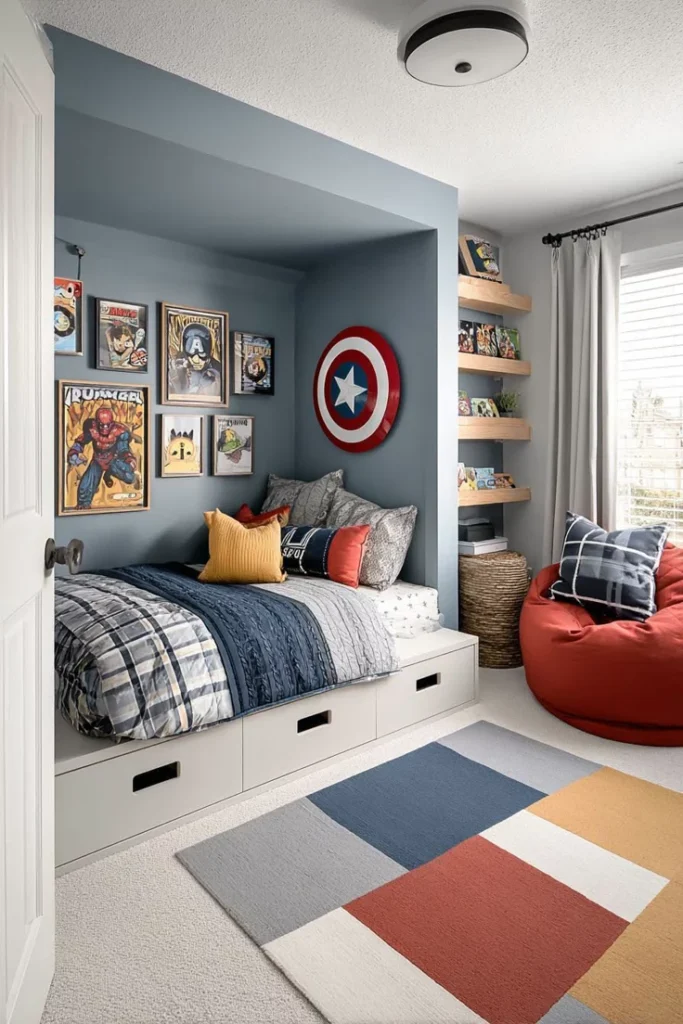
Provide open areas where they can build with blocks, puzzles, and other creative toys.
A creative kids bedroom design supports problem-solving and imagination.
Building spaces can become some of the most frequently used areas in the room.
27. Keep the Room Easy to Clean
A beautiful room should also be practical.
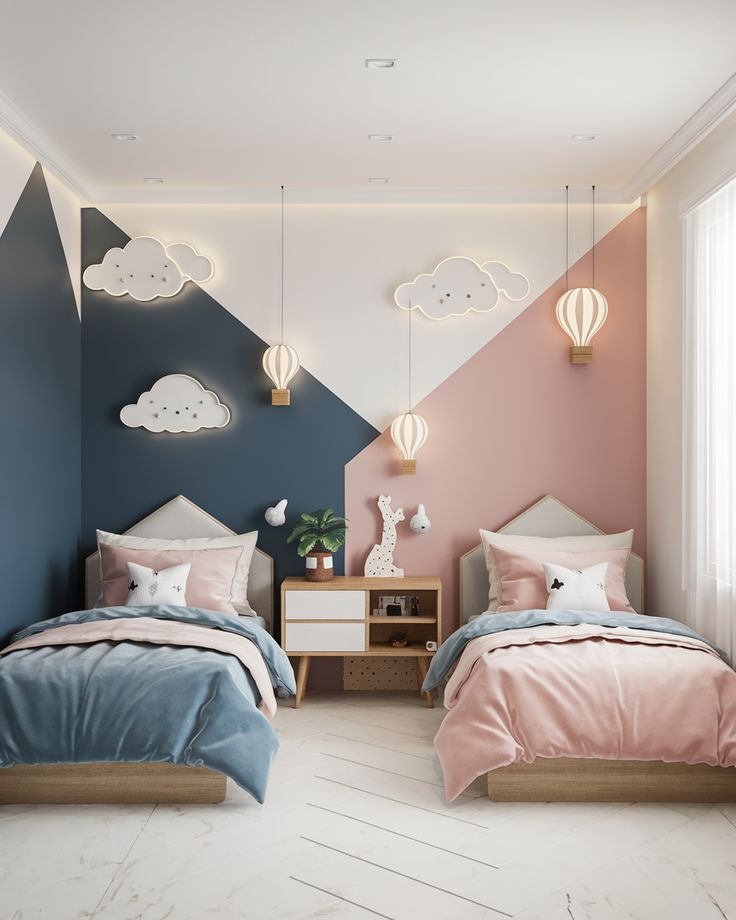
Complicated organization systems can frustrate children.
A functional kids bedroom design uses simple storage methods that children understand.
Label containers, reduce unnecessary clutter, and create easy cleanup routines.
The simpler the system, the more successful it becomes.
28. Involve Your Child in the Decorating Process
Children feel more connected to spaces they help create.
Allow them to choose colors, decorations, or small design details.
A personalized kids bedroom design gives children a sense of pride and ownership.
Their choices make the room feel more meaningful.
The process also creates enjoyable memories together.
29. Create a Calm and Relaxing Sleep Environment
A bedroom should support restful sleep.
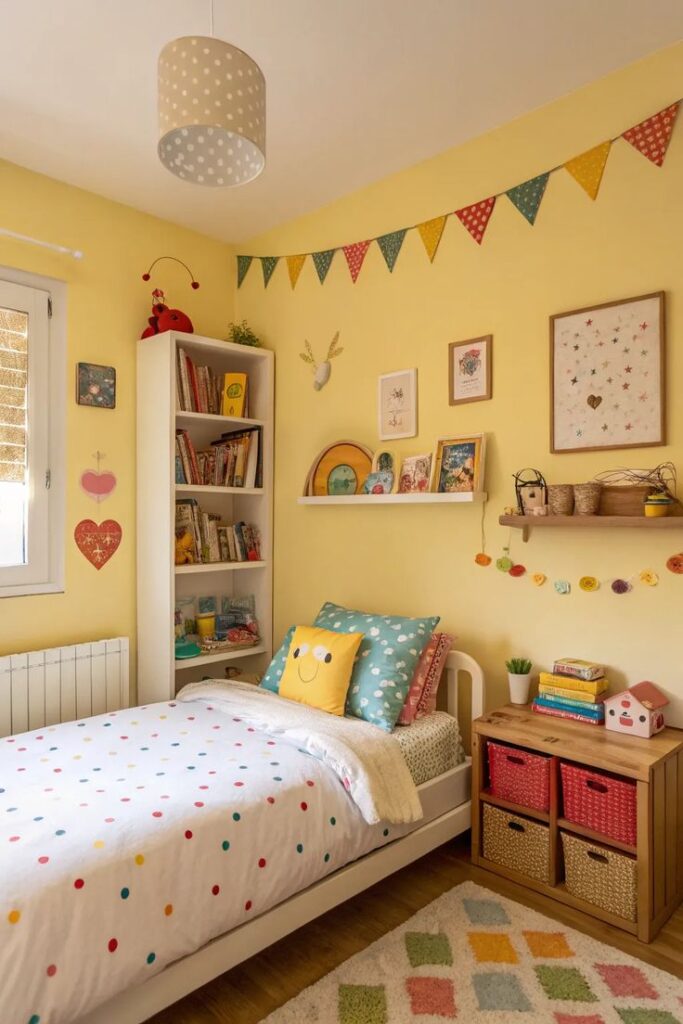
Reduce excessive noise, organize the space, and create comforting bedtime routines.
A peaceful kids bedroom design helps children transition from active play to relaxation.
Soft lighting, cozy fabrics, and a clean environment all contribute to better rest.
Parents who enjoy creating comforting family routines may also love family movie night ideas because cozy experiences strengthen emotional connections.
30. Remember That Simplicity Creates Balance
A room does not need every trend or decoration.
Too many items can make a bedroom feel crowded and overwhelming.
The best kids bedroom design focuses on quality, function, and meaningful details.
Choose pieces that serve a purpose and bring happiness.
A simple room often provides more room for imagination.
31. Let the Bedroom Grow Alongside Your Child
The perfect room changes with each stage of childhood.
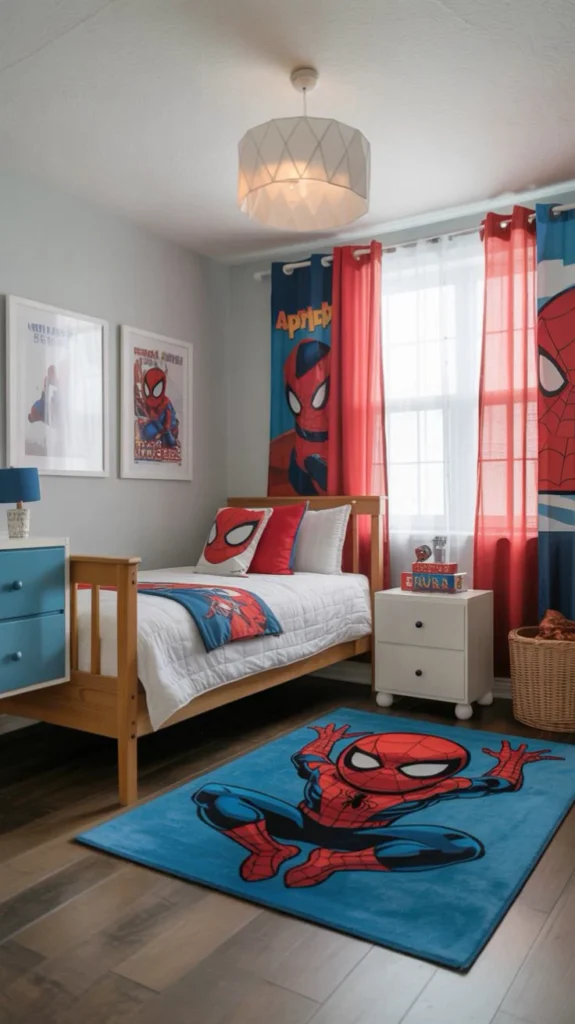
A toddler’s playful corner may later become a reading space or study area.
A long-lasting kids bedroom design allows these natural transitions.
Think about future needs while creating the current space.
Flexibility helps the room remain useful and enjoyable for many years.
How to Create the Perfect Kids Bedroom Design
A successful kids bedroom design combines fun, organization, comfort, and personality.
Start by understanding your child’s needs and interests. Then create areas for sleeping, learning, playing, and relaxing.
Choose practical furniture, add thoughtful decorations, and keep the room organized.
The most beautiful bedrooms are not always the most expensive or complicated.
They are the spaces where children feel safe, creative, and happy.
Parents who love imaginative room concepts may also find inspiration in space-themed nursery designs for creative ways to bring dreams into a child’s environment.
Common Kids Bedroom Design Mistakes to Avoid
One common mistake involves choosing style over function.
A room may look beautiful but become difficult for a child to use.
Another mistake involves adding too many decorations.
A successful kids bedroom design needs open areas for creativity and movement.
Avoid buying furniture that only works for a short period.
Instead, choose versatile pieces that adapt over time.
Also, remember to include your child’s personality throughout the room.
A bedroom should feel personal rather than like a picture from a magazine.
Final Thoughts
The best kids bedroom design creates a place where imagination, comfort, and organization exist together. From creative play corners to practical storage, every decision should support your child’s daily life.
A child’s bedroom becomes a place for reading stories, creating artwork, dreaming big dreams, and building lifelong memories. The smallest details often become the things children remember most.
Families who enjoy creating special childhood experiences may also explore Bluey crafts for kids for more activities that encourage imagination and creativity.
Most importantly, remember that a perfect kids bedroom design does not follow one specific style. The perfect room is the one that makes your child feel happy, comfortable, and truly at home.
Frequently Asked Questions
How can I create a functional kids bedroom design?
Create separate areas for sleeping, playing, learning, and storage. Choose furniture and organization systems that children can easily use.
What colors work best in a kids bedroom?
Soft neutrals, pastels, earth tones, and carefully placed bright colors can all create beautiful and comfortable spaces.
How do I make a small kids bedroom look bigger?
Use vertical storage, lighter colors, simple furniture, and avoid overcrowding the room with unnecessary items.
Should children help decorate their bedrooms?
Yes. Allowing children to choose certain details helps them feel proud and connected to their space.
How often should I update a kids bedroom design?
Small updates can happen whenever interests change, while larger changes often occur as children move into new stages of development.
What is the most important part of a kids bedroom?
The most important part is creating a space that feels safe, comfortable, organized, and suited to your child’s personality.
How do I keep a child’s room organized?
Use simple storage systems, accessible containers, and regular cleanup routines that children can follow independently.
Can a kids bedroom be both fun and practical?
Absolutely. The best kids bedroom design combines playful elements with smart organization and comfortable spaces that support everyday life.