Some links on my blog may contain affiliate links. If you make a purchase through one of this links, I may earn a small commission at no extra cost to you. Thank you for supporting Enchanted Kids Moment!
I used to think a bigger bedroom would solve every storage problem. Then I started noticing that some of the most beautiful kids’ rooms were actually some of the smallest. They did not have extra square footage. They simply used the space better.
That is exactly why I keep coming back to IKEA Kids Room Ideas. IKEA has a way of making even the tiniest bedroom feel open, organized, and ready for everyday life. A simple shelf suddenly becomes a book display. A storage bench turns into a reading corner. An empty wall becomes a place for toys instead of another spot where clutter collects.
Small spaces also encourage you to think differently. Instead of adding more furniture, you start looking for pieces that can do more than one job. A bed can hide storage underneath. A narrow cart can hold art supplies. Wall-mounted storage frees up valuable floor space so children still have room to build, play, and imagine.
The goal is not to copy a showroom. Children’s bedrooms should feel lived in. You want a room where bedtime stories happen, forts appear on rainy afternoons, and favorite toys always have a place to go afterward. When everything has a home, the room feels calmer without losing the fun that makes it a child’s space.
If you are already planning a room makeover, you may also enjoy How to Design a Kids Bedroom That Balances Fun and Function, where I share practical ideas for creating a space that grows with your child.
These IKEA Kids Room Ideas will show you clever ways to make every inch count. Some focus on storage, others help you create more play space, and a few make small bedrooms feel much bigger than they really are. You might be surprised by how much difference one smart idea can make.
35 Smart IKEA Kids Room Ideas for Small Spaces
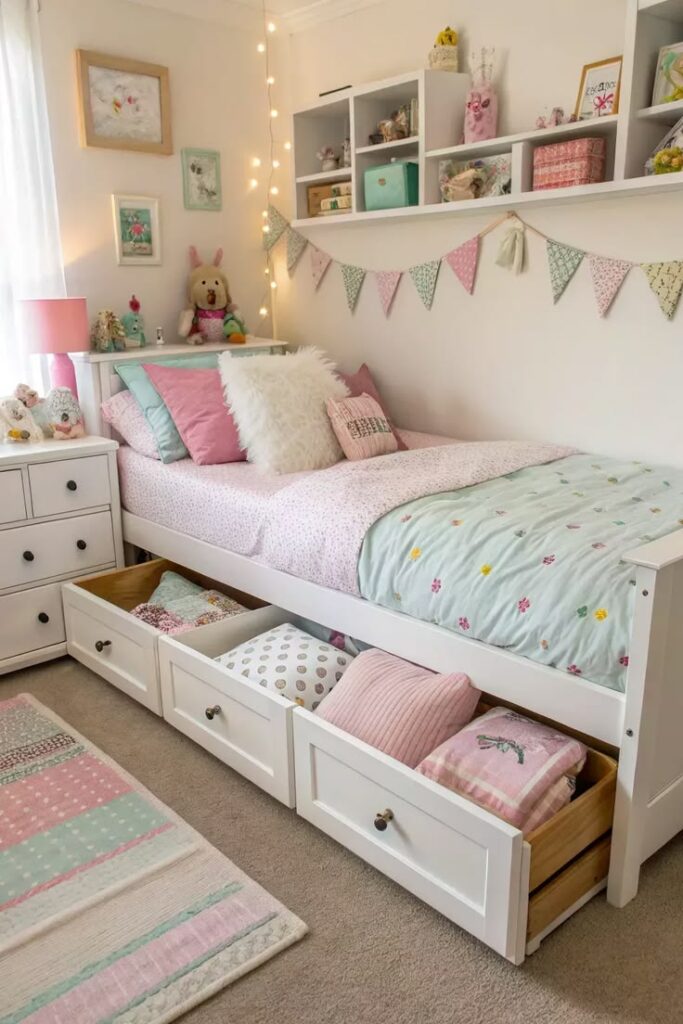
1. Start With a Bed That Does More Than One Job
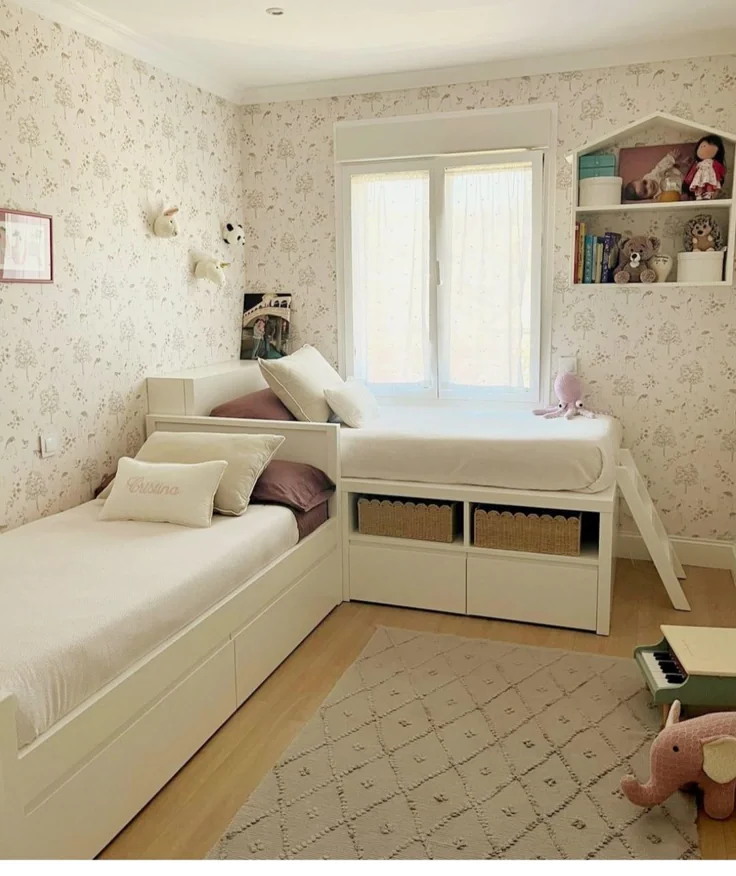
When you walk into a small child’s bedroom, the bed usually takes up most of the space. That is why it makes sense to start there. Instead of choosing a bed that only has one purpose, look for one that also helps with storage or organization.
Many IKEA beds include drawers underneath or enough clearance to slide storage boxes beneath the frame. That hidden space can hold toys, extra bedding, seasonal clothes, or craft supplies without making the room feel crowded.
The nice thing about using under-bed storage is that children can reach many of their own things. That makes cleanup feel much easier because every toy already has a place to go.
If you are planning a complete bedroom makeover, you may also enjoy 23 Shared Nursery Ideas That Make Room Sharing Feel Cozy and Special for ideas that work as children grow.
A bed should leave enough open floor space for everyday play. Children need room to build with blocks, spread out books, or invent games. Filling every corner with furniture often makes a room feel smaller than it really is.
2. Turn Empty Walls Into Helpful Storage for IKEA Kids Room Ideas
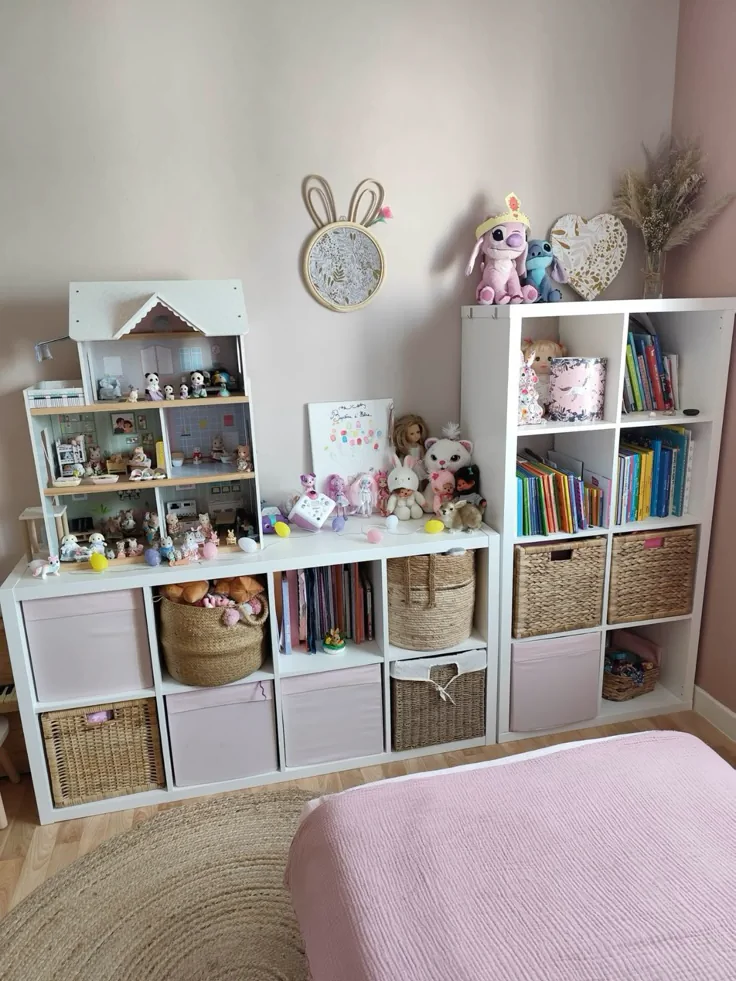
One mistake many people make is thinking only about the floor.
Walls offer storage without taking away valuable play space.
Floating shelves can hold favorite books, stuffed animals, framed artwork, or small keepsakes. Wall rails can organize baskets, pencils, and craft materials. Hooks keep backpacks and dress-up costumes off the floor while making them easy for children to reach.
Leaving the floor more open changes how the room feels. Children naturally have more space to move around, and the bedroom becomes easier to tidy at the end of the day.
Try leaving a little empty wall space between shelves. That breathing room helps everything look calmer instead of crowded.
3. Create a Reading Corner in the IKEA Kids Room Ideas

Every child’s room benefits from one quiet place.
It does not have to be large.
Sometimes all you need is a small chair, a few cushions, a basket of books, and soft lighting.
Many IKEA pieces fit neatly into unused corners that would otherwise stay empty. Suddenly that forgotten space becomes somewhere children can read before bed or relax after a busy afternoon.
The goal is not creating a picture-perfect reading nook. It is creating a place children actually want to use.
If your child enjoys books, you’ll find even more inspiration in The Ultimate Guide to Creating a Cozy Reading Nook for Kids.
4. Choose Open Toy Storage Instead of Deep Toy Boxes
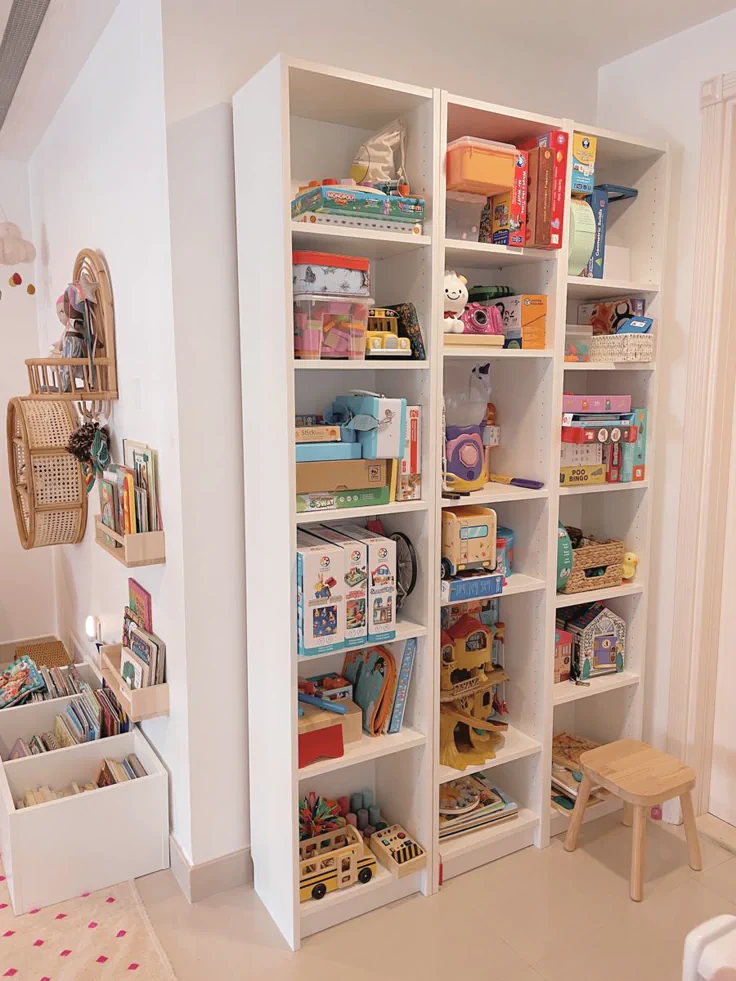
Deep toy boxes seem like a great idea until children start digging through them.
Within minutes, everything ends up on the floor.
Open bins make cleanup much simpler because children can see exactly where things belong.
Sorting toys into different containers also helps younger children learn simple organizing habits. Cars stay together. Building blocks stay together. Dolls have their own basket.
Instead of treating cleanup like a chore, children quickly understand where each toy belongs.
The room stays organized much longer because putting toys away becomes easier than leaving them out.
5. Let Furniture Grow With Your Child
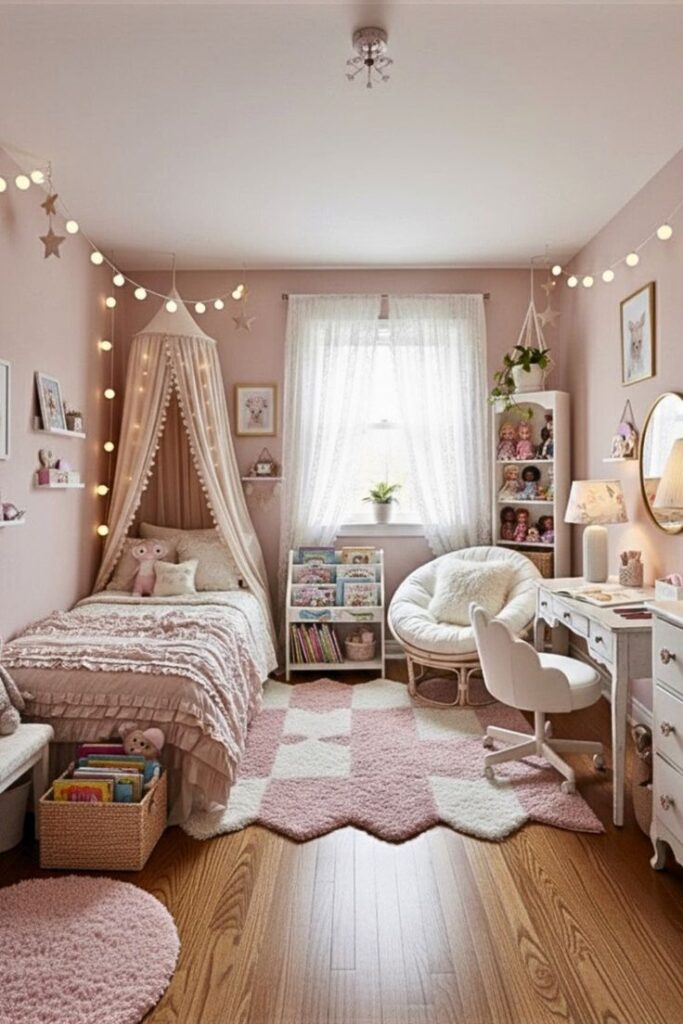
Children change quickly.
Their bedrooms should keep up without needing a complete makeover every few years.
Simple furniture usually lasts longer because it adapts to different stages of childhood.
A small table can begin as an art station before becoming a homework desk later. Adjustable shelving changes as books become larger and toys become fewer.
Choosing flexible furniture means you spend less time rearranging the room every year.
It also creates a bedroom that continues working well as your child’s interests change.
6. Use Matching Storage Boxes to Reduce Visual Clutter
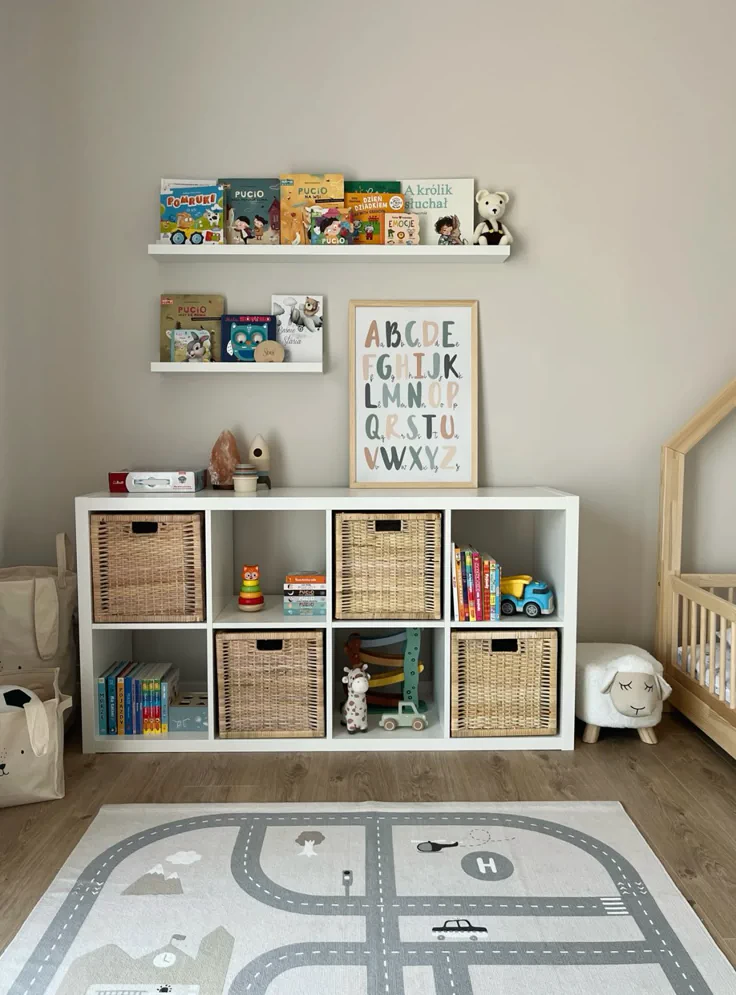
Storage is helpful.
Visible clutter is not.
Even when everything has been cleaned up, too many different baskets and containers can still make a room feel busy.
Matching storage boxes create a calmer look without requiring expensive decorations.
The bedroom immediately feels more organized because your eyes notice the room instead of dozens of different containers.
Children also learn where things belong when every category has its own box.
If you are searching for more ways to organize a small bedroom, 25 Creative Kids Room Storage Ideas That Maximize Every Inch of Space shares practical solutions that work in real homes.
7. Make Use of the Space Behind the Door

The back of the bedroom door often goes unused.
Yet it can solve several storage problems.
Over-the-door hooks hold jackets, pajamas, costumes, backpacks, or tomorrow’s outfit.
Slim hanging organizers work well for shoes, small toys, craft supplies, and even bedtime books.
Using this overlooked area frees up drawers and shelves for larger items while keeping everyday essentials within easy reach.
Small changes like this often make the biggest difference in compact bedrooms.
8. Keep Favorite Toys Within Reach
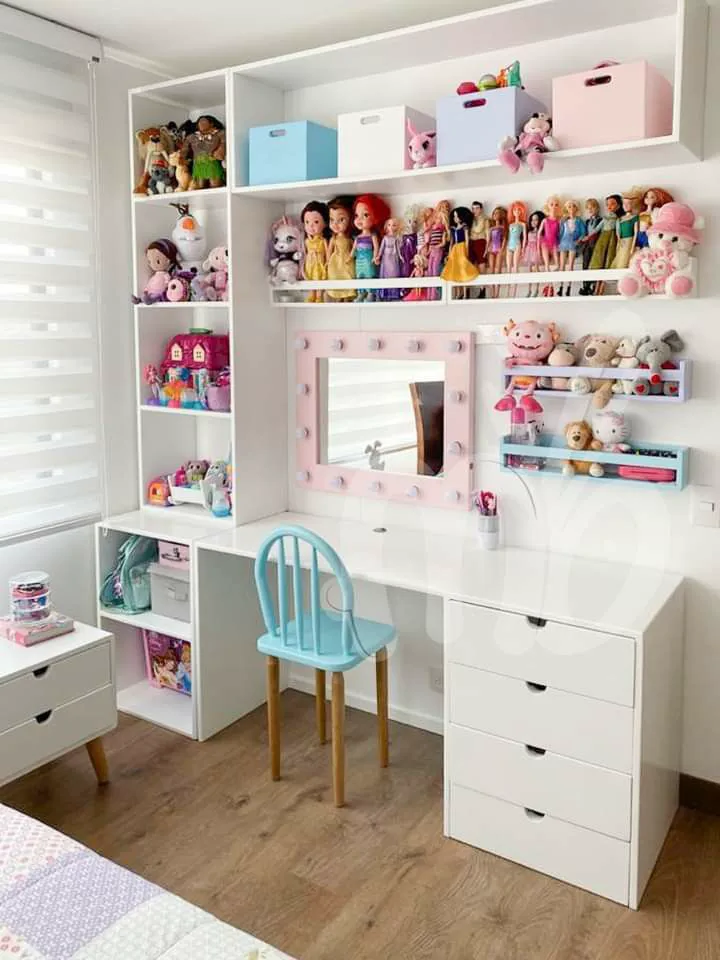
Not every toy needs to disappear into storage.
Children enjoy seeing the toys they play with most.
Display a few favorite stuffed animals, wooden toys, or LEGO creations on open shelves.
Those small displays add personality to the room while encouraging children to take pride in caring for their belongings.
Rotate the toys every few weeks.
The room feels fresh without buying anything new, and children often become excited about toys they had almost forgotten.
If your child loves building, 31 LEGO Bedroom Ideas for Creative Builders offers plenty of inspiration for displaying favorite creations without creating clutter.
9. Create Small Activity Zones
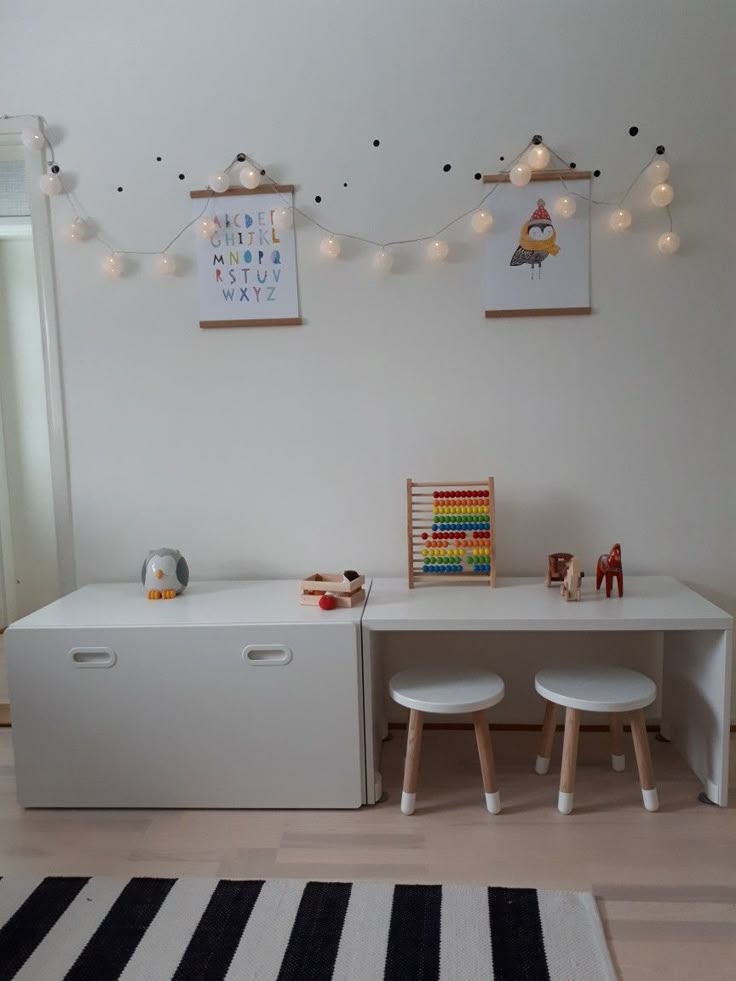
One room can serve many purposes without feeling crowded.
Instead of thinking about furniture first, think about how your child spends time in the room.
Maybe one corner becomes a reading area.
Another becomes a place for drawing.
The center stays open for playing.
A small shelf separates activities naturally without building walls or dividing the room completely.
Children move easily from one activity to another because every space has its own purpose.
That simple layout often makes the entire room feel larger.
10. Leave Space for Childhood
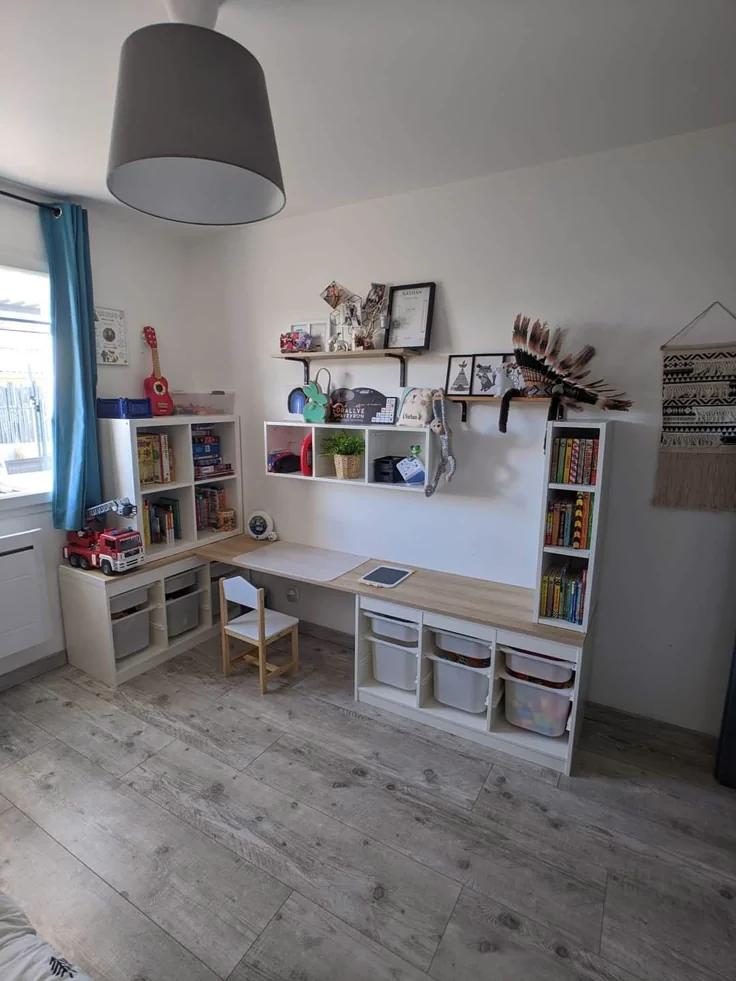
It is easy to keep adding furniture because every piece seems useful.
Eventually there is hardly any room left.
Children rarely remember how many shelves they had.
They remember building blanket forts, racing toy cars across the floor, and sitting with their favorite books before bedtime.
Those moments need space.
As you decorate, ask yourself one simple question.
“Will this help my child enjoy the room, or will it simply fill another corner?”
Sometimes the smartest decorating choice is leaving a little empty space.
That empty space quickly becomes the place where imagination grows.
In the next section, we’ll look at even more IKEA Kids Room Ideas that make small bedrooms feel brighter, more organized, and much more enjoyable for everyday family life.
11. Add a Narrow Bookshelf Instead of a Bulky Cabinet
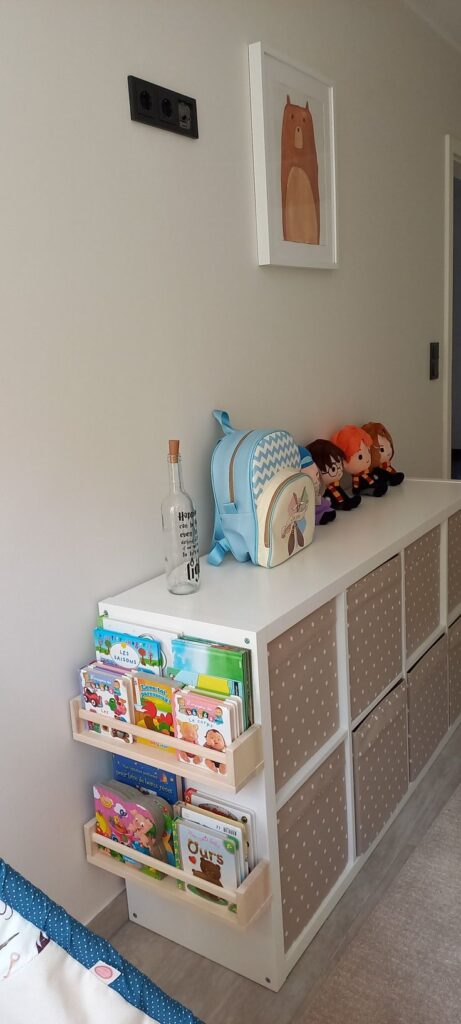
Large cabinets can make a small bedroom feel boxed in before you even unpack the toys.
A tall, narrow bookshelf gives you plenty of storage while taking up very little floor space. It also encourages children to see their books instead of forgetting them inside a closed cupboard.
Mix books with a few baskets and favorite keepsakes to keep the shelves interesting. The room feels personal without looking crowded.
If your child enjoys collecting books, pair this idea with 41 Cozy Reading Nook Ideas Every Book-Loving Child Will Adore to create a space that encourages daily reading.
12. Make Every Drawer Work Harder
Drawers can quickly become a place where everything gets tossed together.
Instead, divide each drawer into simple sections.
One area can hold socks. Another keeps pajamas folded neatly. Small containers work well for hair accessories, crayons, or tiny toys.
Children find things faster when every item has its own spot.
That also makes putting everything away much easier at the end of the day.
13. Display Artwork Instead of Hiding It
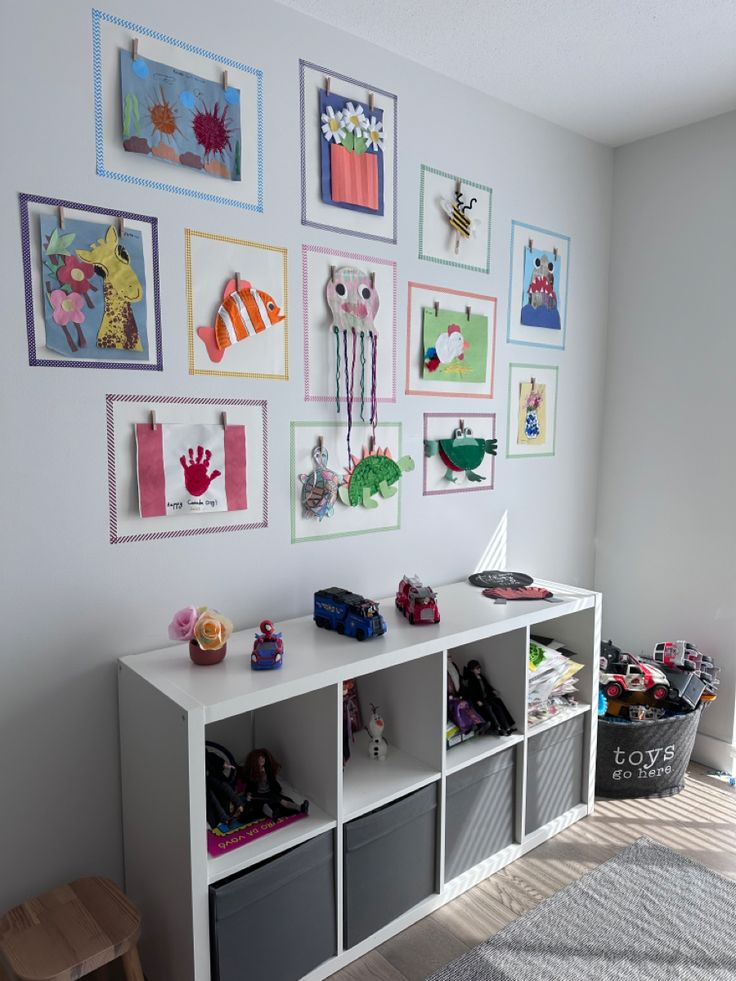
Children love seeing their creations on display.
Instead of filling every wall with decorations from a store, leave room for artwork your child has made.
Hang simple frames or use clips so drawings can change throughout the year.
Watching new artwork replace older pieces makes the room feel alive.
It also gives children confidence because their work becomes part of the room instead of ending up in a drawer.
If your child enjoys creating things, The Complete Guide to Summer Kids Crafts Activities for Creative and Curious Kids has plenty of projects that deserve a place on the wall.
14. Use Light Colors to Open Up the Room
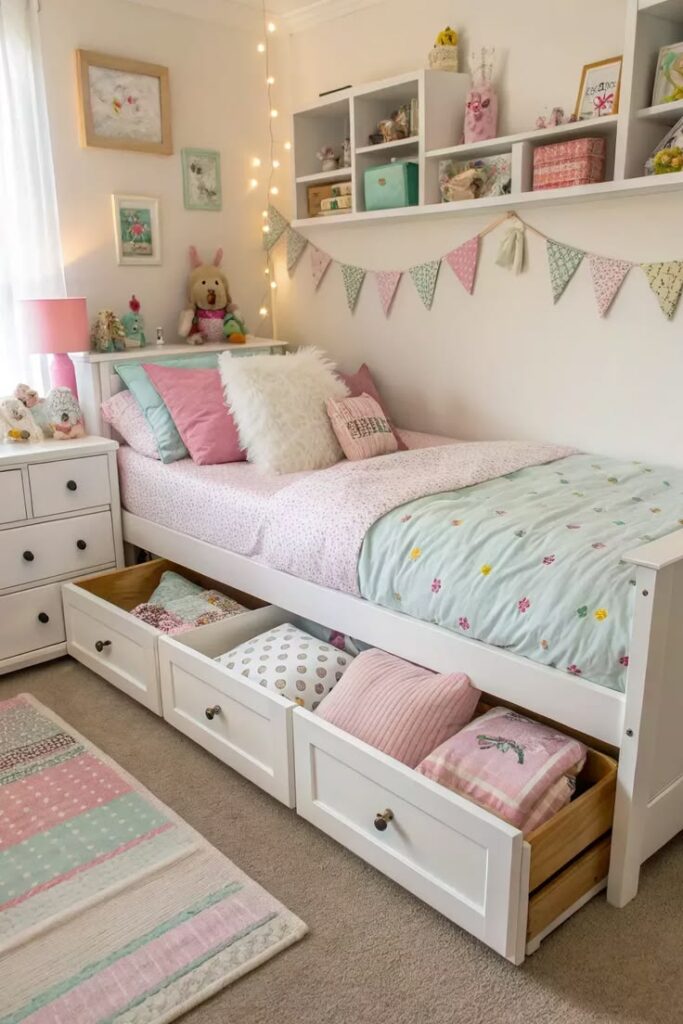
Color changes the way a room feels.
Soft whites, warm beige, gentle gray, pale green, and light blue help reflect natural light around the bedroom.
The room feels brighter without adding more windows.
That does not mean everything needs to match perfectly.
Add colorful pillows, artwork, rugs, or toys to give the room personality while keeping the larger furniture light.
The balance creates warmth without making the space feel busy.
15. Choose One Statement Piece
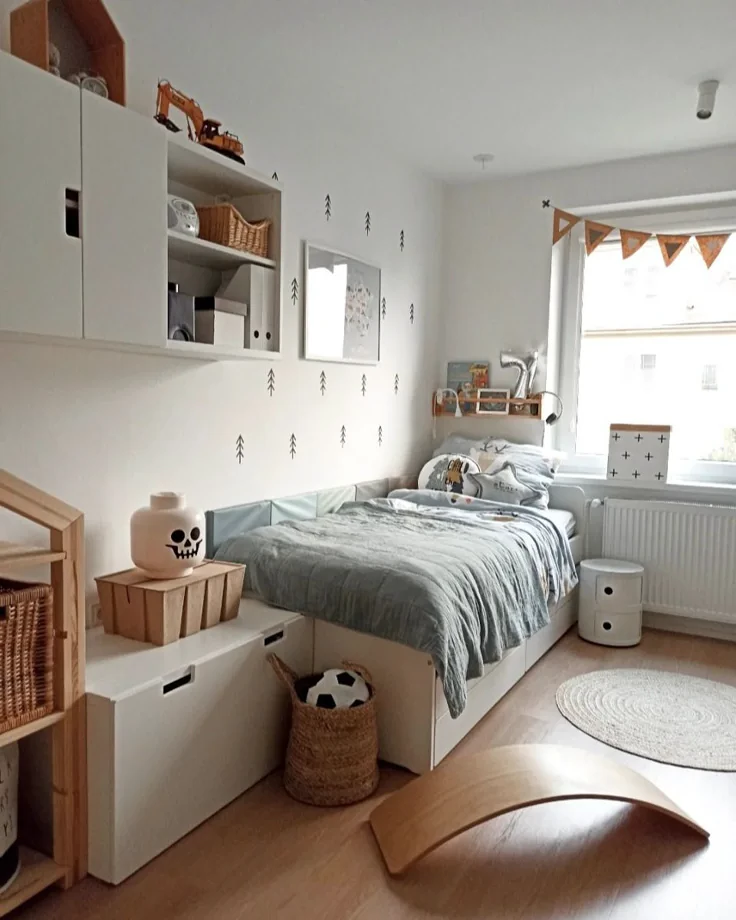
When every piece of furniture tries to stand out, nothing really does.
Instead, let one item become the star of the room.
Maybe it is a house-shaped bed.
Perhaps it is a colorful reading chair.
It could even be a playful rug.
Keeping everything else simple allows that one feature to shine while making the room feel more peaceful.
Children still enjoy a fun bedroom, but the space feels calmer every day.
16. Keep Everyday Items at Your Child’s Height
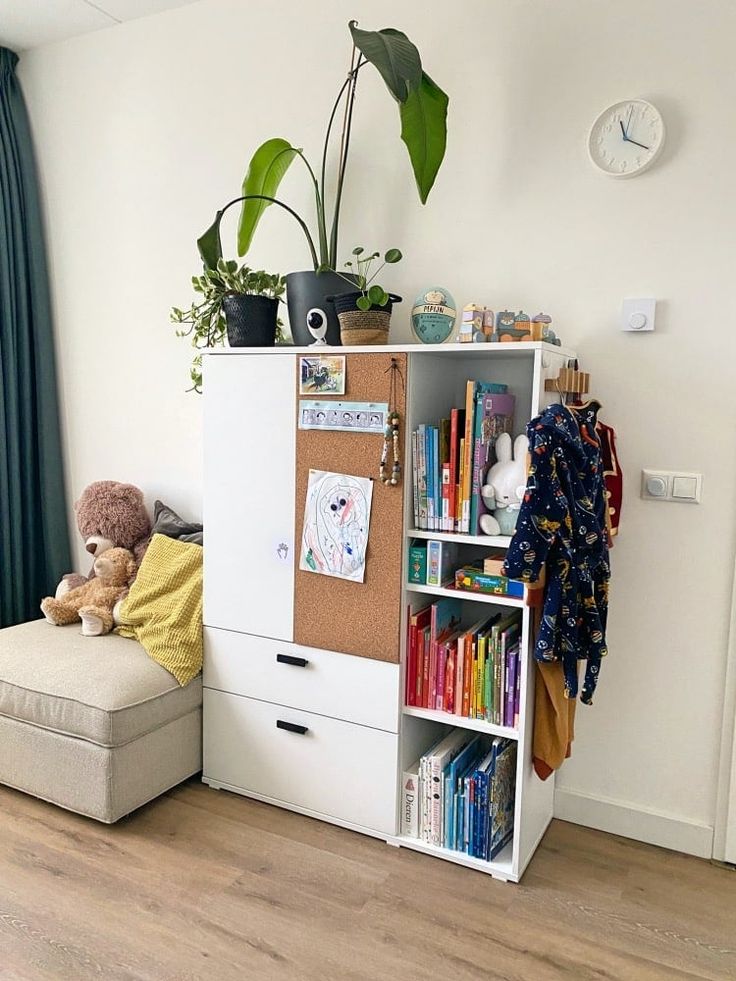
Children naturally become more independent when they can reach their own belongings.
Place frequently used toys, books, pajamas, and craft supplies on lower shelves.
Reserve higher shelves for decorations or items that adults use.
This simple change encourages children to put things away because they do not need help reaching every basket.
Small successes like these build helpful habits over time.
17. Make Toy Rotation Part of Your Routine
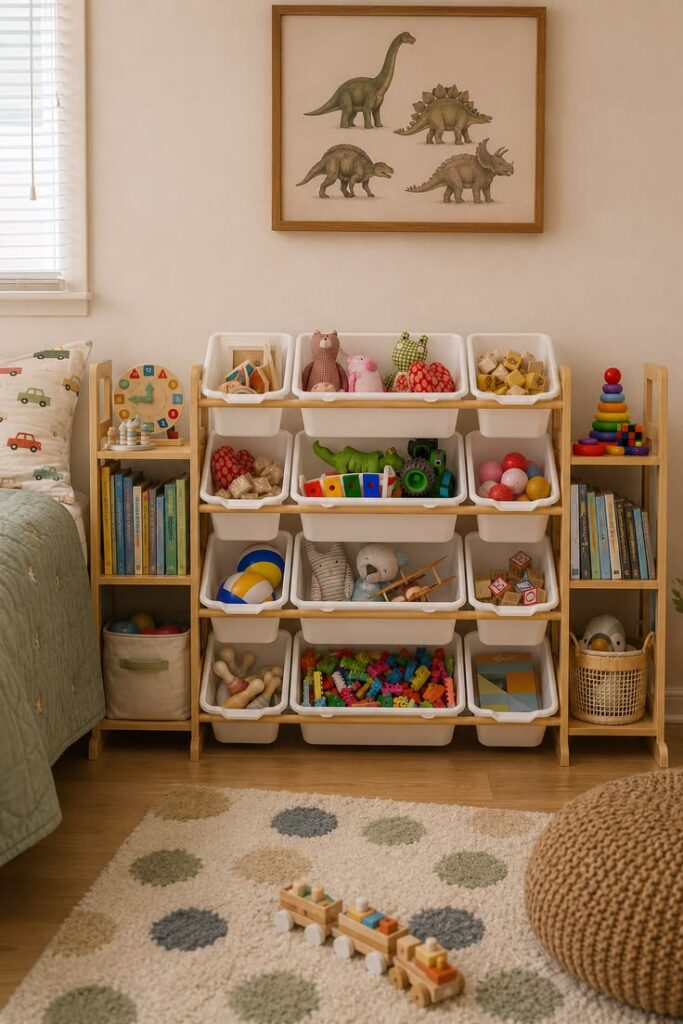
A room often feels crowded because every toy stays out all year.
Instead of trying to fit everything onto the shelves, store some toys somewhere else.
Every few weeks, swap them with the toys currently in the room.
Children usually react as though they have received something new.
The bedroom feels fresh again without adding anything.
Toy rotation also reduces visual clutter while making cleanup much faster.
18. Use Baskets for Quick Cleanup
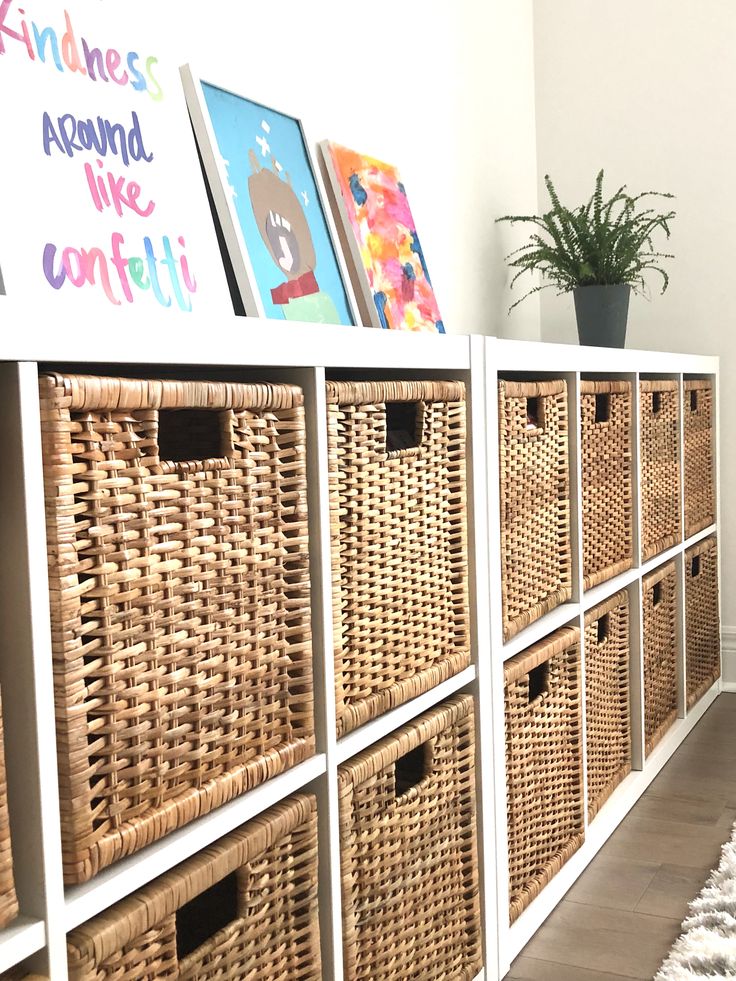
Not every item needs a perfectly labeled container.
Sometimes children simply need a place where things can go quickly.
Soft baskets work well for stuffed animals, blankets, dress-up clothes, and larger toys.
Children can toss everything inside without worrying about arranging it perfectly.
That simple habit often makes daily cleanup much less stressful.
If organizing toys feels like a constant challenge, you’ll enjoy Toy Storage Ideas That Make Cleanup Easier for Kids, which shares realistic solutions for busy families.
19. Turn a Corner Into an Art Station

You do not need a separate playroom for creativity.
A small desk, a rolling cart, and a few containers can become a wonderful art corner.
Keep paper, crayons, pencils, stickers, and washable markers within easy reach.
When everything already has a home, children spend more time creating and less time searching for supplies.
Cleaning up also becomes part of the activity instead of another chore afterward.
20. Use Rolling Storage That Moves With Play
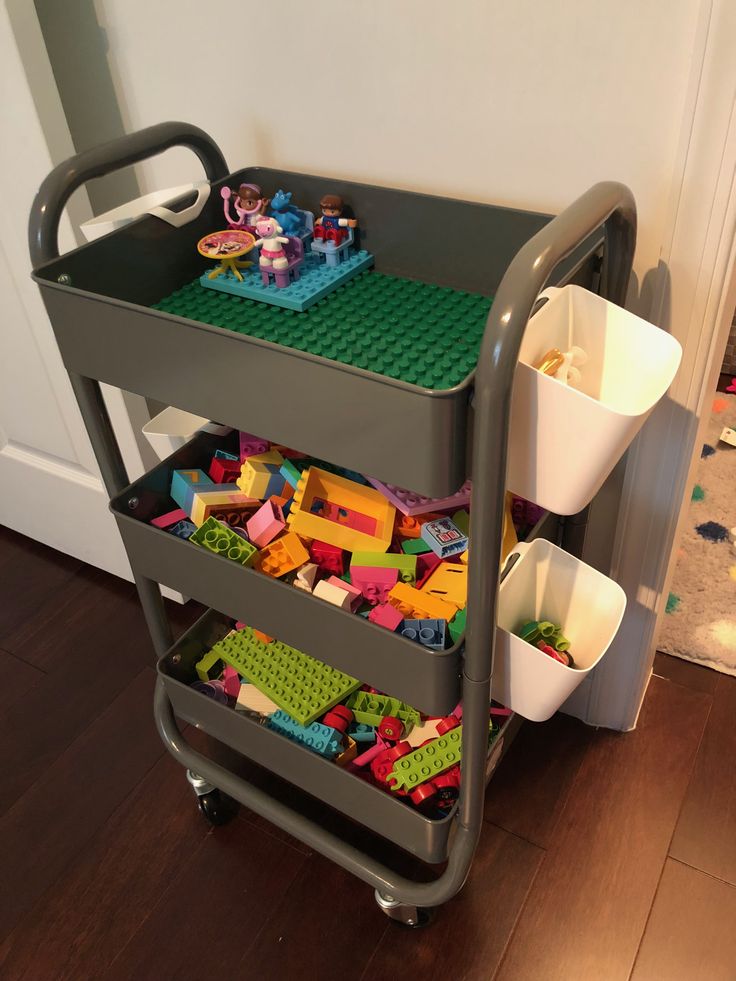
Children rarely play in only one spot.
One day they build on the floor.
The next day they spread everything across the bed.
Rolling storage carts make it easy to move supplies wherever they are needed.
Art materials, LEGO bricks, puzzles, or dress-up accessories can travel around the room before returning neatly to their corner.
The flexibility works especially well in smaller bedrooms.
21. Mix Closed Storage With Open Display
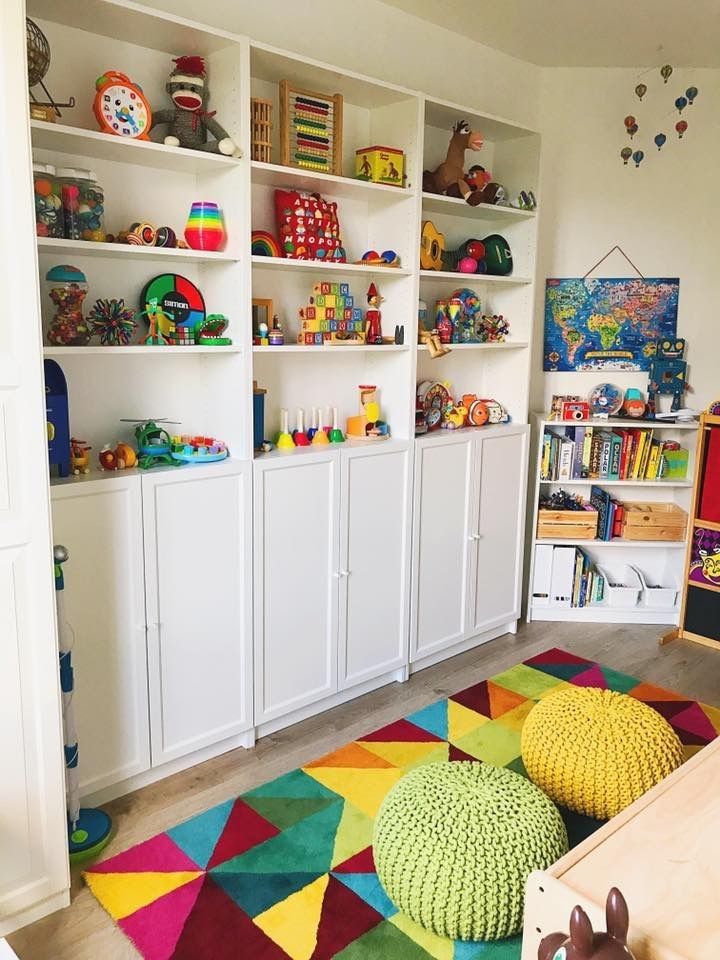
Completely open shelves can quickly begin to feel overwhelming.
Completely closed cabinets sometimes hide everything children actually use.
The best balance usually combines both.
Hide everyday clutter inside drawers or baskets.
Display favorite books, keepsakes, and treasured toys on open shelves.
That mixture creates a room that feels organized while still showing your child’s personality.
22. Leave Room for Seasonal Changes
Children’s interests rarely stay the same for long.
One season they may love dinosaurs.
A few months later they might dream about space, fairies, or the ocean.
Keeping the larger furniture simple makes those changes much easier.
Swap bedding, artwork, cushions, or decorations instead of replacing everything.
If your child enjoys changing room themes, 33 Pinterest-Inspired Kids Room Decorating Ideas offers plenty of inspiration that works throughout the year.
23. Think About the View From the Door
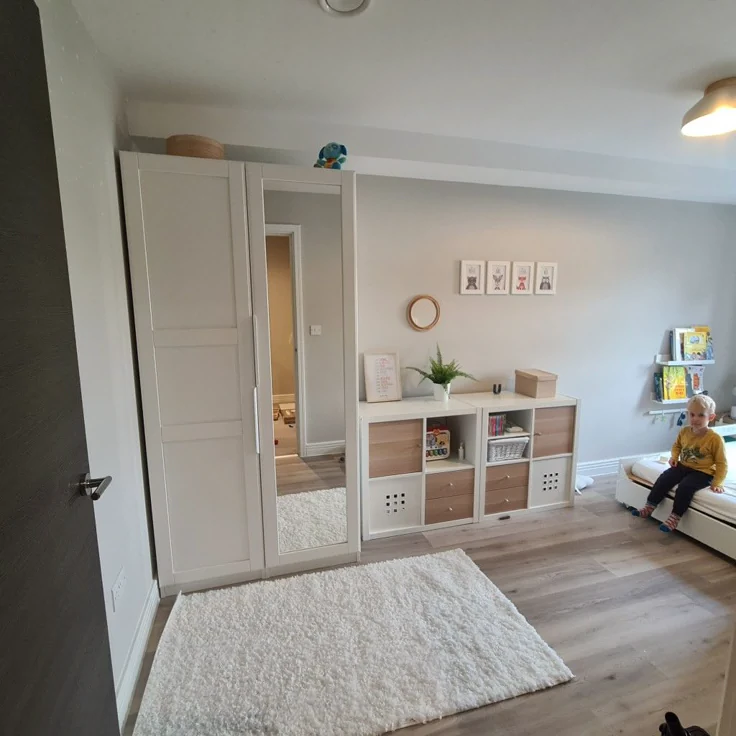
Before you finish decorating, step outside the bedroom.
Now look back inside.
What catches your attention first?
If the first thing you notice is clutter, move storage around until the room immediately feels calm.
Sometimes moving one shelf or one basket completely changes the first impression.
That small adjustment can make even the tiniest bedroom feel welcoming.
In the final section, we’ll look at the finishing ideas that help small bedrooms stay organized while still feeling fun, comfortable, and full of childhood magic.
24. Add Soft Lighting for a Cozy Feel
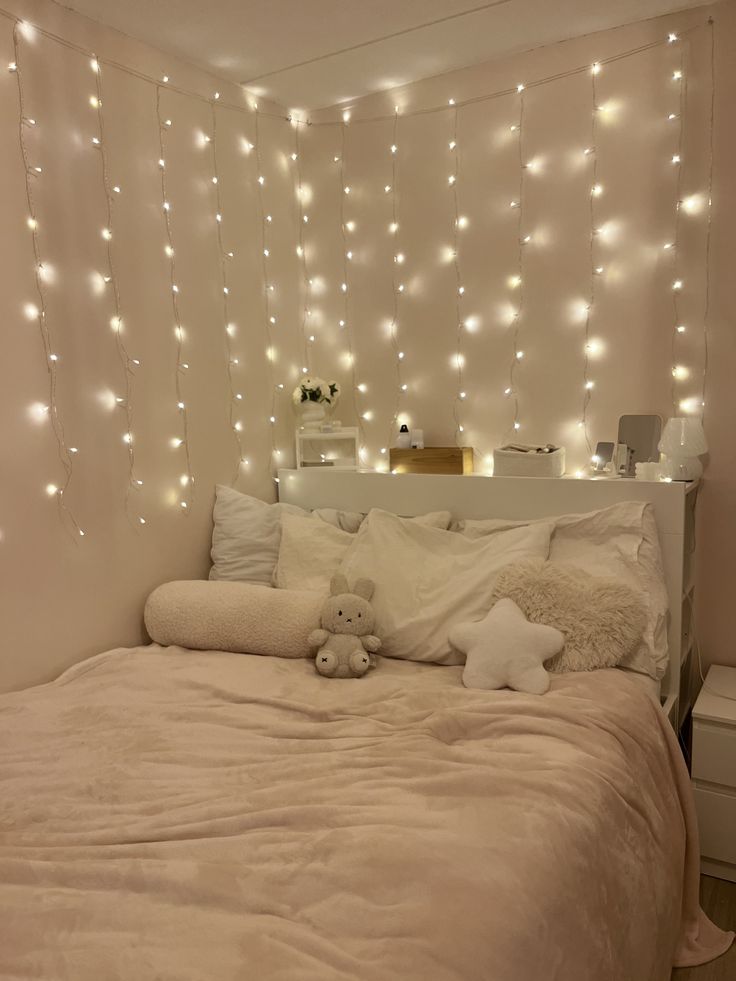
Lighting changes the mood of a room more than many people expect.
Instead of relying only on the main ceiling light, add a small bedside lamp or a warm reading light. Soft lighting makes the room feel calm when children are getting ready for bed.
String lights can also add a little magic when used safely around a reading corner or above a headboard.
A cozy room encourages children to spend more time reading, playing quietly, and winding down at the end of the day.
25. Use Low Shelves to Encourage Independence
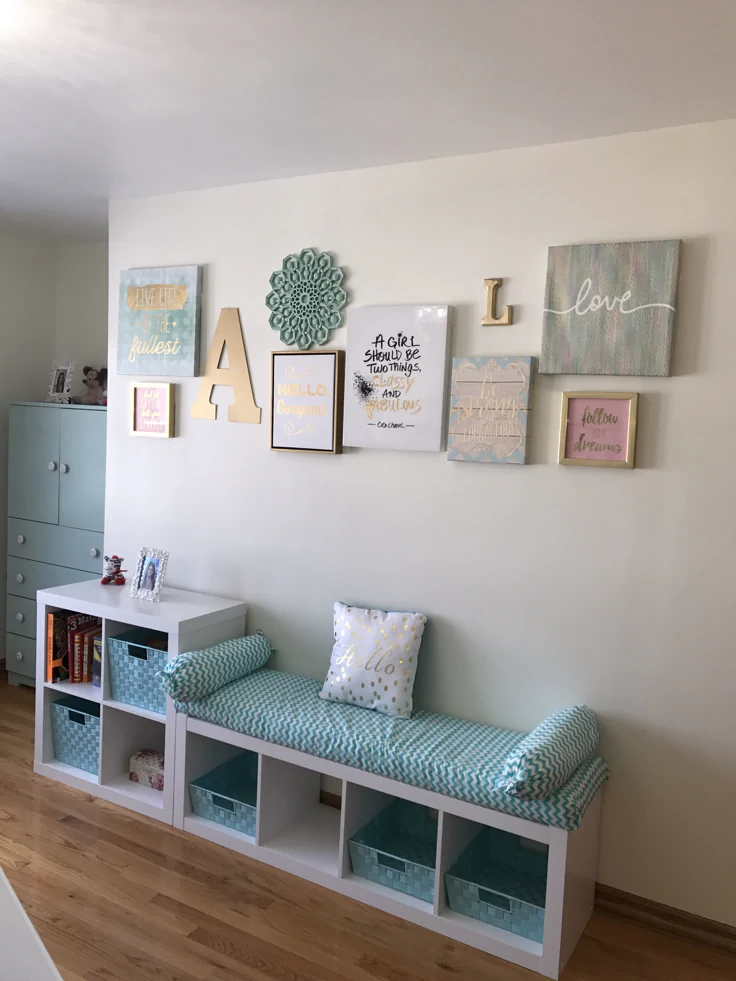
Children enjoy doing things for themselves.
Low shelves make that possible.
Place books, puzzles, games, and favorite toys where your child can reach them without asking for help.
Children naturally begin returning items to the shelves because they know exactly where everything belongs.
Small daily habits often create the biggest long-term changes.
26. Keep Decorations Simple
It is easy to keep adding decorations because every piece looks cute on its own.
After a while, the room can start feeling busy instead of relaxing.
Choose a few decorations that your child truly loves.
A favorite framed print, a soft rug, or a colorful pillow often makes a bigger impact than filling every wall.
Simple decorating gives children’s favorite toys and artwork room to shine.
27. Create a Homework Spot That Doesn’t Feel Boring
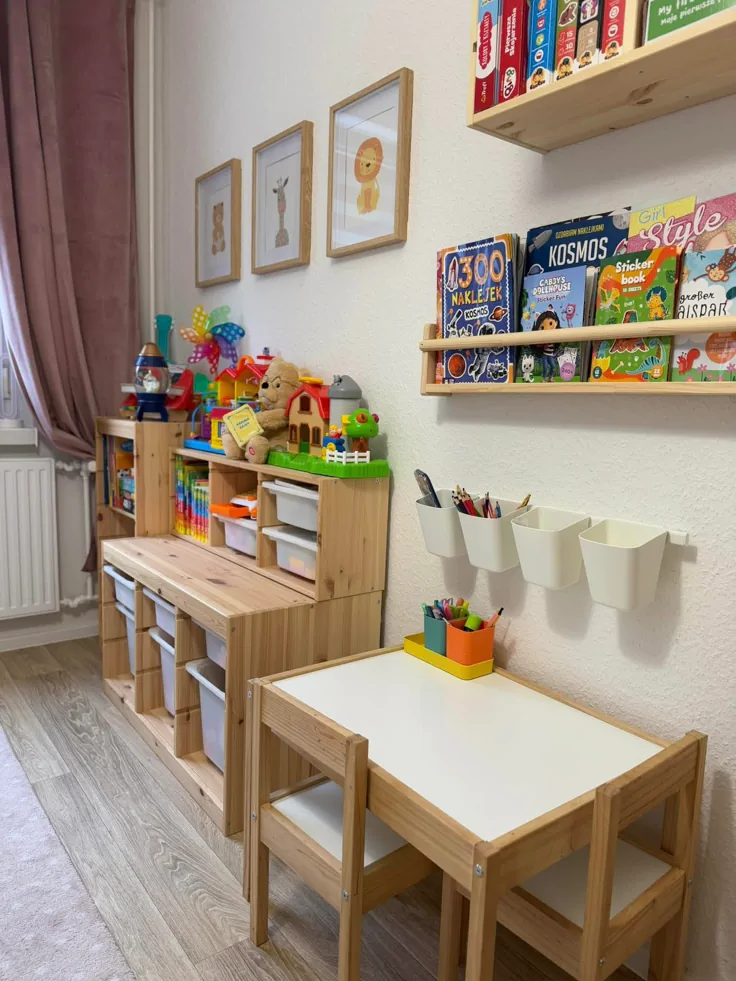
As children grow, they need a place to color, write, read, or complete homework.
A small IKEA desk placed near natural light often works perfectly.
Add a comfortable chair, a pencil holder, and a small shelf above the desk for supplies.
Keep the area uncluttered so children can focus without feeling distracted.
The workspace should feel inviting instead of looking like a classroom.
28. Label Storage With Pictures for Younger Children
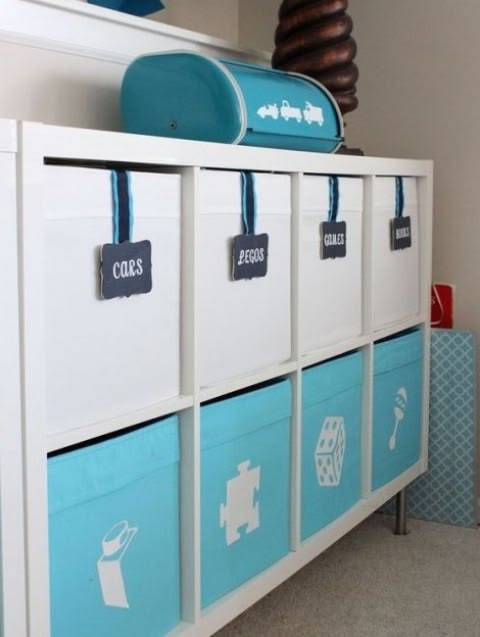
Young children cannot always read labels.
Pictures work just as well.
Add simple photos or drawings to baskets so children know exactly where blocks, dolls, puzzles, and art supplies belong.
Cleanup becomes much easier because they do not need someone reminding them where everything goes.
It also helps build confidence as they learn to organize their own room.
29. Make Use of Under-Window Space

The area below a window often gets forgotten.
Instead of leaving it empty, place a storage bench there.
Children have somewhere comfortable to sit while reading or looking outside.
The space inside the bench can store blankets, stuffed animals, board games, or seasonal toys.
One piece of furniture now serves several purposes without making the room feel crowded.
30. Give Collections Their Own Home
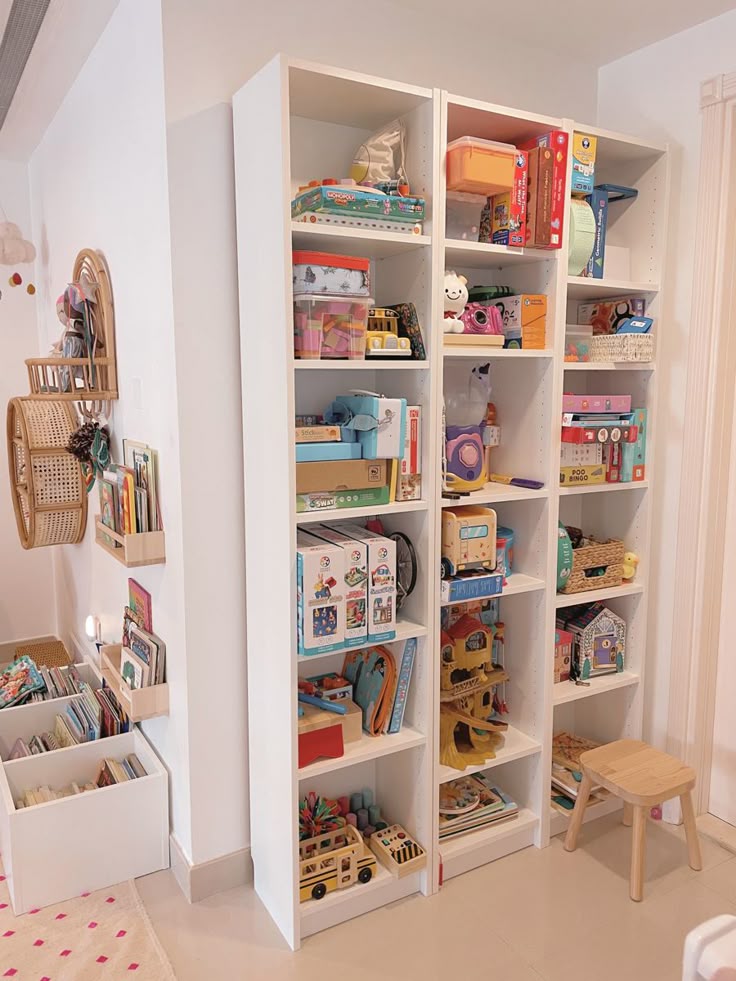
Most children enjoy collecting something.
It might be toy cars, LEGO figures, shells, rocks, or favorite books.
Instead of letting those collections spread across every surface, create one dedicated display area.
A small shelf keeps everything together while making the collection feel special.
If your child loves building, 31 Minecraft Paper Craft Ideas Kids Will Want to Make Immediately can inspire another fun display that fits perfectly on an open shelf.
31. Leave Open Floor Space for Everyday Play

A beautiful bedroom still needs room for childhood.
Children build towers, race toy cars, create imaginary worlds, and spread puzzles across the floor.
Those moments become difficult when every inch of the room is filled with furniture.
Before adding another shelf or cabinet, ask yourself if your child truly needs it.
Sometimes removing one piece creates a much better room than adding another.
32. Choose Furniture That Is Easy to Move
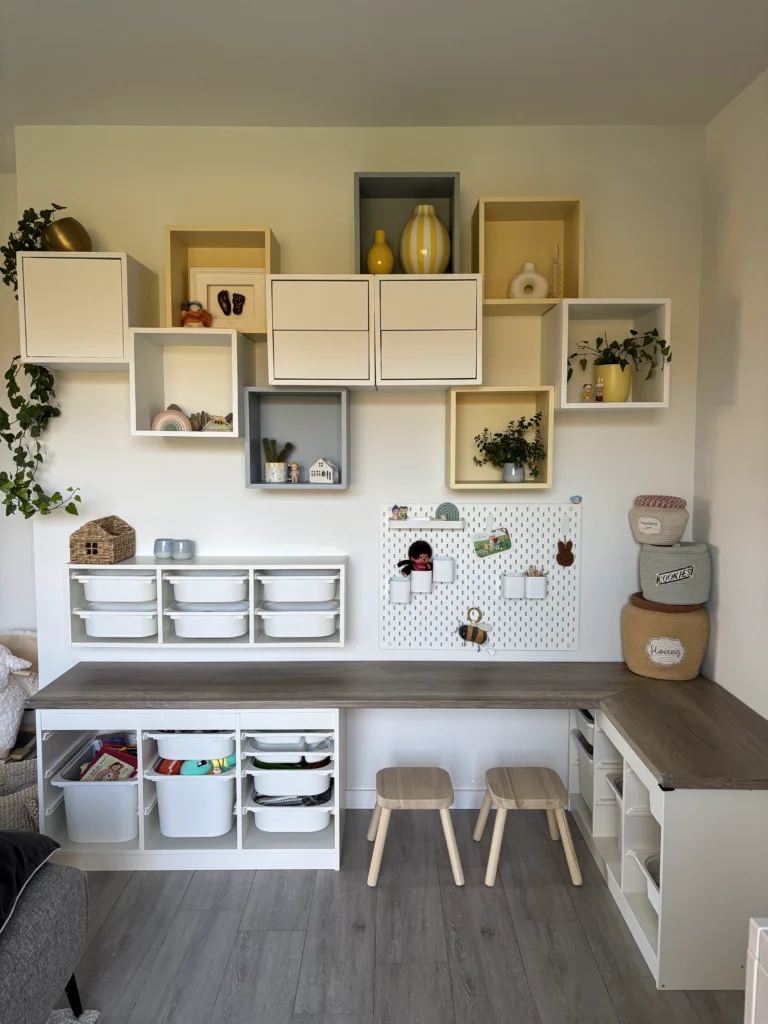
Children’s bedrooms rarely stay the same for long.
One weekend you may want more floor space.
Another month you may need room for a larger desk.
Lightweight furniture makes those changes much easier.
Moving a shelf or small table takes only a few minutes, allowing the room to grow alongside your child’s changing interests.
Flexibility matters just as much as storage.
33. Refresh the Room Without Replacing Everything
A bedroom can feel completely different with just a few small updates.
Swap pillow covers.
Change the bedding.
Hang new artwork.
Rotate books and favorite toys onto the shelves.
Those little changes make the room feel fresh while keeping the overall layout exactly the same.
Children often notice these simple updates immediately.
34. Let Your Child Help Decorate
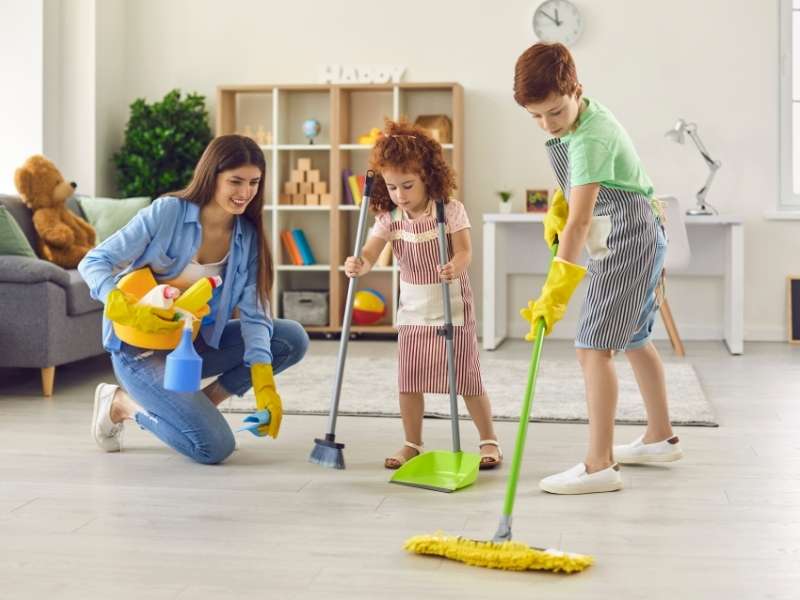
Some of the happiest bedrooms are not the most perfect ones.
They are the rooms where children helped make decisions.
Ask your child to choose a favorite cushion, artwork, storage basket, or reading chair.
When children feel involved, they usually take better care of the space because it feels like their own.
The room becomes more than somewhere to sleep.
It becomes a place where memories grow every day.
35. Focus on How the Room Feels
The smartest IKEA Kids Room Ideas are not really about furniture.
They are about creating a room where children feel comfortable, creative, and happy.
An organized bedroom gives children more freedom to play.
A cozy reading corner encourages quiet moments.
Simple storage makes cleanup less stressful.
Those small improvements add up, creating a space that supports everyday family life instead of making it harder.
Common Mistakes to Avoid in a Small Kids Room
Even the best furniture cannot solve every problem if the room feels overcrowded.
One common mistake is trying to fit too much into a small space. It is tempting to buy every clever storage solution, but too many shelves and cabinets can make the room feel smaller. Leave breathing room between furniture so the bedroom feels open and comfortable.
Another mistake is storing everything out of a child’s reach. Children are much more likely to clean up when they can easily put toys, books, and games back where they belong.
It also helps to avoid decorating every wall. Empty space gives the eye somewhere to rest and makes the room feel brighter. Instead of filling every corner, choose a few meaningful decorations that show your child’s personality.
Finally, remember that children’s needs change quickly. Pick furniture that can adapt over time instead of designing the room around only one stage of childhood.
Final Thoughts
Small bedrooms often inspire the smartest ideas. When every piece has a purpose, the room becomes easier to organize, easier to clean, and much more enjoyable for everyday life. The goal is not to create a showroom. It is to build a space where children can play, imagine, learn, and rest comfortably.
Start with one or two changes instead of trying to transform the whole room at once. You may be surprised by how much difference a new storage solution or a better layout can make. Over time, those small improvements create a bedroom that feels bigger, calmer, and far more practical.
If you’re looking for more inspiration, explore 25 Minimalist Kids Room Ideas That Stay Organized and Beautiful or Shared Bedroom Ideas For Girls That Actually Work. You will find even more practical ideas to help create a room that works beautifully for your family while keeping childhood at the heart of every design.